
The Importance of Regular Vet Checkups for Your Pet | Pets are cherished members of the family, providing companionship, emotional support, and unconditional love throughout their lives. Whether you own a dog, cat, rabbit, bird, or another companion animal, ensuring their health and well-being should always be a top priority. One of the most effective ways to protect your pet’s health is by scheduling regular vet checkups. These routine visits play a crucial role in preventing diseases, detecting health problems early, and helping pets enjoy longer, happier lives.
Unfortunately, many pet owners only visit a veterinarian when their pet becomes visibly sick or injured. While emergency care is important, preventive healthcare is equally valuable. Many serious health conditions develop gradually and may not show obvious symptoms during the early stages. Regular vet checkups allow veterinarians to identify potential issues before they become severe, costly, or life-threatening.
Understanding the importance of routine veterinary care can help pet owners make informed decisions that positively impact their pets' quality of life. This article explores why regular vet checkups matter, what happens during a veterinary examination, and how these visits contribute to your pet’s overall health and longevity.
Table of Contents
The Importance of Regular Vet Checkups for Your Pet
What Are Vet Checkups?
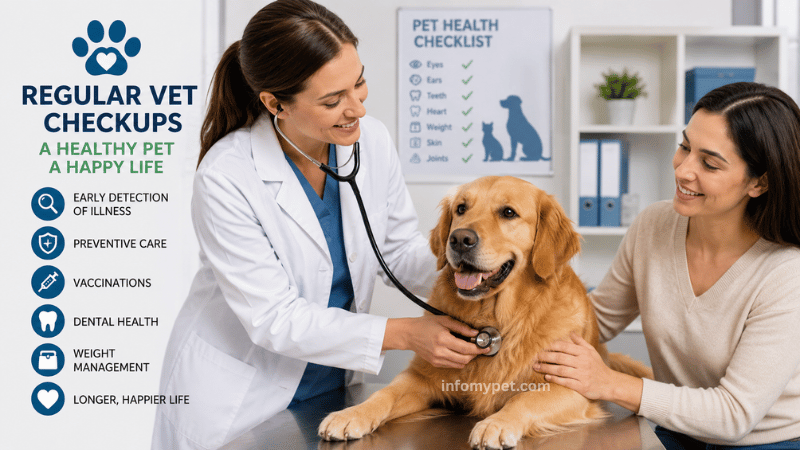
Vet checkups are routine health examinations performed by a licensed veterinarian to assess your pet’s physical condition and identify any potential health concerns. These visits are designed to monitor your pet’s overall health, detect diseases early, update vaccinations, and provide preventive care recommendations.
Unlike emergency visits that focus on treating a specific illness or injury, regular vet checkups take a comprehensive approach to health management. Veterinarians evaluate multiple aspects of your pet’s well-being, including physical condition, weight, nutrition, dental health, mobility, and behavior.
The frequency of vet checkups depends on factors such as your pet’s age, breed, lifestyle, and existing medical conditions. While healthy adult pets typically require annual examinations, puppies, kittens, senior pets, and animals with chronic illnesses may need more frequent visits.
Why Regular Vet Checkups Are Essential
Early Detection of Diseases
One of the most significant benefits of regular vet checkups is the early detection of diseases. Many health conditions begin developing long before visible symptoms appear. By the time a pet shows noticeable signs of illness, the condition may already be advanced.
During routine examinations, veterinarians can identify subtle changes in your pet’s health that may indicate underlying problems. These changes may include abnormal weight fluctuations, heart irregularities, unusual lumps, skin abnormalities, or changes in organ function.
Early diagnosis often leads to more effective treatment options and better outcomes. Conditions such as kidney disease, diabetes, heart disease, arthritis, and certain types of cancer are often easier to manage when discovered in their initial stages.
Prevention Is Better Than Treatment
Preventive care is a cornerstone of veterinary medicine. Regular vet checkups focus on preventing health problems before they occur rather than waiting until treatment becomes necessary.
Preventive measures may include:
- Vaccinations
- Parasite control
- Nutritional guidance
- Dental care
- Weight management
- Lifestyle recommendations
Preventive healthcare not only protects your pet from unnecessary suffering but can also reduce long-term veterinary expenses. Treating advanced illnesses is often far more expensive than preventing them through routine care.
Monitoring Overall Health
Even when a pet appears healthy, routine examinations provide valuable information about their overall condition. Veterinarians establish a health baseline that helps track changes over time.
Regular monitoring allows veterinarians to evaluate:
- Body weight
- Muscle condition
- Heart health
- Respiratory function
- Skin and coat quality
- Joint mobility
- Organ performance
By comparing current findings with previous records, veterinarians can identify trends that may indicate emerging health concerns.
The Role of Vaccinations During Vet Checkups
Vaccinations are one of the most important aspects of preventive veterinary care. During regular vet checkups, veterinarians review your pet’s vaccination status and administer any necessary booster shots.
Vaccines help protect pets from serious and potentially fatal diseases. Depending on the species and lifestyle of your pet, recommended vaccines may protect against:
Common Dog Diseases
- Rabies
- Distemper
- Parvovirus
- Adenovirus
- Leptospirosis
- Bordetella
Common Cat Diseases
- Rabies
- Feline panleukopenia
- Feline herpesvirus
- Calicivirus
- Feline leukemia virus
Vaccination schedules are tailored to each pet based on factors such as age, environment, travel habits, and exposure risks.
Parasite Prevention and Control
Parasites pose a significant threat to pet health. Fleas, ticks, worms, and mites can cause discomfort, illness, and serious medical complications.
Regular vet checkups allow veterinarians to detect and prevent parasite infestations before they become severe.
Internal Parasites
Internal parasites commonly include:
- Roundworms
- Hookworms
- Whipworms
- Tapeworms
- Heartworms
These parasites can affect your pet’s digestive system, nutritional status, and overall health.
External Parasites
External parasites include:
- Fleas
- Ticks
- Ear mites
- Mange mites
These pests can cause skin irritation, infections, allergic reactions, and disease transmission.
Veterinarians recommend preventive medications and routine screenings to keep pets protected year-round.
Dental Health Assessment
Dental disease is one of the most common health problems affecting pets. Unfortunately, many pet owners underestimate the importance of oral health.
During routine vet checkups, veterinarians examine your pet’s teeth, gums, and oral cavity for signs of:
- Plaque buildup
- Tartar accumulation
- Gum disease
- Tooth fractures
- Oral infections
- Oral tumors
Poor dental health can lead to chronic pain, difficulty eating, and serious infections that may affect major organs such as the heart, liver, and kidneys.
Regular dental evaluations allow veterinarians to recommend appropriate treatments and home care strategies.
Weight Management and Nutrition Guidance
Obesity is becoming increasingly common among pets worldwide. Excess body weight can significantly increase the risk of numerous health problems, including:
- Diabetes
- Heart disease
- Arthritis
- Respiratory issues
- Liver disease
During vet checkups, veterinarians assess your pet’s body condition score and weight. They can identify whether your pet is underweight, overweight, or maintaining a healthy condition.
Veterinarians also provide nutritional recommendations tailored to your pet’s:
- Age
- Breed
- Activity level
- Medical history
- Lifestyle
Proper nutrition plays a critical role in supporting long-term health and disease prevention.
Detecting Age-Related Health Problems
As pets grow older, they become more vulnerable to age-related diseases and physical changes. Senior pets often require more frequent vet checkups because health conditions can develop rapidly during their later years.
Common senior pet health issues include:
- Arthritis
- Kidney disease
- Heart disease
- Diabetes
- Cognitive decline
- Vision loss
- Hearing impairment
Regular veterinary examinations help identify these conditions early, allowing for timely intervention and improved quality of life.
With proper monitoring and treatment, many senior pets can remain comfortable and active well into their golden years.
Behavioral Assessments
Behavioral changes often provide important clues about a pet’s health. During routine vet checkups, veterinarians may discuss any behavioral concerns you have noticed.
Examples include:
- Increased aggression
- Excessive barking
- Anxiety
- Depression
- Changes in sleeping patterns
- Loss of appetite
- House-soiling accidents
Some behavioral issues stem from underlying medical conditions rather than training problems. Pain, hormonal imbalances, neurological disorders, and chronic illnesses can all affect behavior.
A veterinarian can help determine whether a behavioral change is related to a health issue and recommend appropriate treatment.
Importance of Diagnostic Testing
Many veterinarians recommend routine diagnostic testing as part of comprehensive vet checkups.
Common diagnostic tests may include:
Blood Tests
Blood testing provides valuable insight into organ function, infection status, and overall health. These tests can detect conditions affecting:
- Kidneys
- Liver
- Pancreas
- Blood cells
- Hormonal systems
Urine Analysis
Urinalysis helps identify:
- Kidney disease
- Urinary tract infections
- Diabetes
- Bladder problems
Fecal Examinations
Fecal testing allows veterinarians to detect intestinal parasites that may not cause visible symptoms.
Imaging Procedures
In some cases, veterinarians may recommend:
- X-rays
- Ultrasounds
- CT scans
- MRI scans
These tools help identify internal abnormalities and support accurate diagnoses.
Building a Strong Relationship with Your Veterinarian
Regular vet checkups help establish a strong and trusting relationship between pet owners and veterinary professionals.
When veterinarians become familiar with your pet's medical history, personality, and health patterns, they can provide more personalized care.
A long-term veterinary relationship offers several benefits:
| Benefit | Description |
|---|---|
| Better Health Records | Continuous monitoring improves medical history accuracy. |
| Faster Diagnoses | Veterinarians can recognize unusual changes more easily. |
| Personalized Advice | Recommendations can be tailored to your pet’s needs. |
| Improved Emergency Care | Familiarity with medical history supports better treatment decisions. |
Trust and communication are important components of effective healthcare management.
How Often Should Pets Have Vet Checkups?
The ideal schedule for vet checkups varies depending on your pet’s life stage.
| Pet Category | Recommended Frequency |
|---|---|
| Puppies and Kittens | Every few weeks until vaccinations are complete |
| Healthy Adult Pets | Once per year |
| Senior Pets | Every six months |
| Pets with Chronic Conditions | As recommended by the veterinarian |
More frequent visits may be necessary for pets with ongoing health concerns or those receiving specialized treatment.
What Happens During a Routine Vet Checkup?
A comprehensive veterinary examination often includes the following steps:
Medical History Review
The veterinarian discusses:
- Eating habits
- Activity levels
- Behavioral changes
- Previous illnesses
- Medication use
Physical Examination
The veterinarian evaluates:
- Eyes
- Ears
- Nose
- Mouth
- Skin
- Coat
- Heart
- Lungs
- Abdomen
- Joints
Weight and Body Condition Assessment
Weight changes can reveal underlying health issues and help guide nutritional recommendations.
Preventive Care Review
The veterinarian reviews:
- Vaccination status
- Parasite prevention
- Dental care
- Nutrition plans
Diagnostic Recommendations
Additional tests may be recommended based on your pet’s age, symptoms, and risk factors.
Financial Benefits of Preventive Veterinary Care
Some pet owners avoid regular vet checkups because they are concerned about costs. However, preventive care often saves money in the long run.
Early detection and prevention can reduce the likelihood of expensive treatments, surgeries, and emergency interventions.
For example:
| Preventive Care | Potential Cost Savings |
|---|---|
| Vaccinations | Prevent costly infectious disease treatment |
| Dental Cleaning | Reduce expensive dental surgeries |
| Parasite Prevention | Avoid serious parasite-related illnesses |
| Routine Blood Tests | Detect diseases before advanced treatment becomes necessary |
Investing in routine healthcare is often far more affordable than managing advanced medical conditions.
Common Signs Your Pet Needs Immediate Veterinary Attention
While regular vet checkups are essential, certain symptoms require prompt veterinary care.
Seek immediate veterinary attention if your pet experiences:
- Difficulty breathing
- Persistent vomiting
- Severe diarrhea
- Sudden collapse
- Seizures
- Significant bleeding
- Inability to urinate
- Extreme lethargy
- Loss of consciousness
- Suspected poisoning
Prompt medical intervention can often save a pet’s life during emergencies.
Tips for Making Vet Visits Less Stressful
Many pets experience anxiety during veterinary appointments. Fortunately, there are several ways to reduce stress.
Helpful strategies include:
- Familiarizing pets with carriers before visits
- Bringing favorite toys or blankets
- Using positive reinforcement
- Scheduling appointments during quieter times
- Remaining calm and reassuring
Regular visits can also help pets become more comfortable with the veterinary environment over time.
Conclusion
Regular vet checkups are one of the most important investments you can make in your pet’s health and happiness. These routine examinations provide opportunities for early disease detection, preventive care, vaccination updates, dental assessments, parasite control, nutritional guidance, and ongoing health monitoring.
Many serious illnesses can be identified long before symptoms become obvious, allowing for earlier treatment and better outcomes. Consistent veterinary care also helps pets maintain a healthy weight, receive proper nutrition, and enjoy a higher quality of life throughout every stage of life.
By prioritizing regular vet checkups, pet owners demonstrate a commitment to responsible pet ownership and long-term animal welfare. Whether your pet is a playful puppy, an energetic adult, or a beloved senior companion, routine veterinary visits are essential for ensuring they remain healthy, comfortable, and by your side for many years to come.
FAQ
How often should I take my pet for a vet checkup?
It depends on your pet’s age and health condition. Adult pets should generally undergo an annual checkup, while senior pets and young puppies or kittens may require more frequent visits.
What should I bring to a vet checkup?
Bring your pet’s medical history, vaccination records, medications, and any symptoms or concerns you have noticed.
How can I make my pet less anxious about vet visits?
To reduce stress, use positive reinforcement, take practice trips to the vet, bring a favorite toy or blanket, and schedule visits at less busy times.
What are the signs that my pet needs an immediate vet visit?
If your pet shows lethargy, difficulty breathing, vomiting, diarrhea, sudden weight loss, or unusual behavior, seek veterinary care immediately.
Are regular vet checkups expensive?
While vet checkups may seem costly, they help prevent significant health issues that could result in expensive treatments. Pet insurance can help offset costs.
Do indoor pets still require regular veterinary check-ups?
Yes, indoor pets can still develop health issues, require vaccinations, and need parasite prevention, making regular checkups essential.
References
- The Importance Of Regular Check-ups For Pet Health - twinoaksvetclinic.com
- Why Are Regular Veterinary Checkups Important? - tuckahoeanimalhospital.com
Disclaimer: The information shared on InfoMyPet is based on my personal experience in caring for my pets and is provided for general informational and entertainment purposes only.I am sharing my experiences, tips, and observations to help other pet owners, but the information on this blog should not be considered professional veterinary advice, diagnosis, treatment, or a substitute for consultation with a qualified veterinarian.Every pet is different, and what works for my pets may not be suitable for another pet. If your pet is sick, injured, showing unusual symptoms, or requires medical attention, please consult a qualified veterinarian for proper advice and treatment.InfoMyPet and its owner are not responsible for any loss, injury, or other consequences resulting from the use of information shared on this blog.By using this website, you acknowledge and agree that you use the information provided here at your own discretion and risk.






0 Comments