
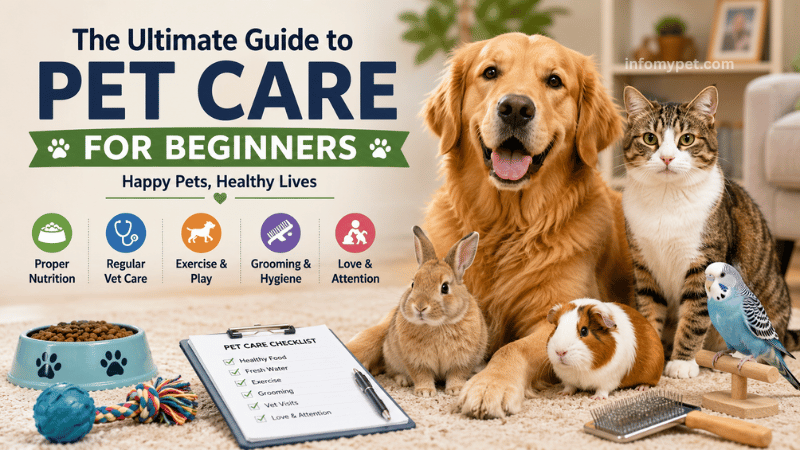
Pets bring companionship, happiness, and emotional support to millions of households around the world. Whether you own a dog, cat, rabbit, bird, or any other companion animal, providing proper care is essential for ensuring a healthy and fulfilling life for your pet. However, even the most caring pet owners can make mistakes without realizing it. Many of these mistakes seem harmless at first, but over time they can negatively affect a pet's physical health, emotional well-being, and overall quality of life.
Understanding the most common pet care mistakes can help owners make better decisions and create a safer, healthier environment for their beloved animals. By recognizing these errors and learning how to avoid them, pet owners can build stronger relationships with their pets while reducing the risk of preventable health and behavioral problems.
In this article, we will explore the most common pet care mistakes and provide practical solutions to help pet owners become more responsible and informed caregivers.
Table of Contents
Common Pet Care Mistakes and How to Avoid Them
Why Understanding Common Pet Care Mistakes Is Important
Many pet-related problems develop gradually rather than appearing suddenly. Poor nutrition, insufficient exercise, inadequate veterinary care, and lack of mental stimulation may not show immediate consequences. However, these issues often accumulate over time and eventually lead to serious health conditions or behavioral challenges.
Pets depend entirely on their owners for food, shelter, healthcare, exercise, and emotional support. Unlike humans, they cannot communicate their discomfort directly. As a result, pet owners must be proactive in identifying potential problems and taking corrective action before issues become severe.
Learning about common pet care mistakes allows owners to prevent unnecessary suffering, reduce veterinary expenses, and improve their pets' overall happiness and longevity.
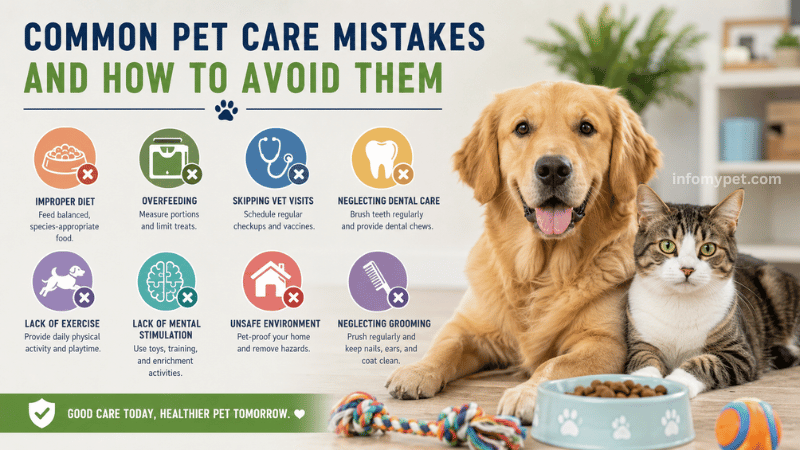
1. Feeding Pets an Improper Diet
One of the most common pet care mistakes involves providing an inappropriate diet. Many owners assume that feeding table scraps or sharing human food with pets is harmless. Unfortunately, certain foods that are safe for humans can be dangerous or even toxic to animals.
Pets require species-specific nutrition to meet their unique dietary needs. Dogs, cats, birds, and small mammals all have different nutritional requirements. Feeding an unsuitable diet can result in obesity, nutritional deficiencies, digestive problems, and chronic health conditions.
How to Avoid This Mistake
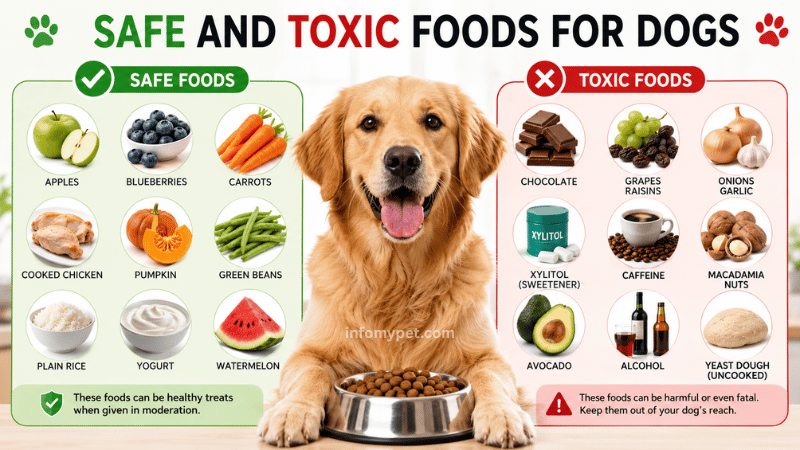
Choose high-quality pet food formulated specifically for your pet's species, age, size, and health condition. Consult a veterinarian before making significant dietary changes. Avoid excessive treats and refrain from feeding pets foods known to be toxic, such as chocolate, grapes, onions, garlic, and xylitol-containing products.
Always ensure that fresh, clean drinking water is available throughout the day.
2. Overfeeding and Encouraging Obesity
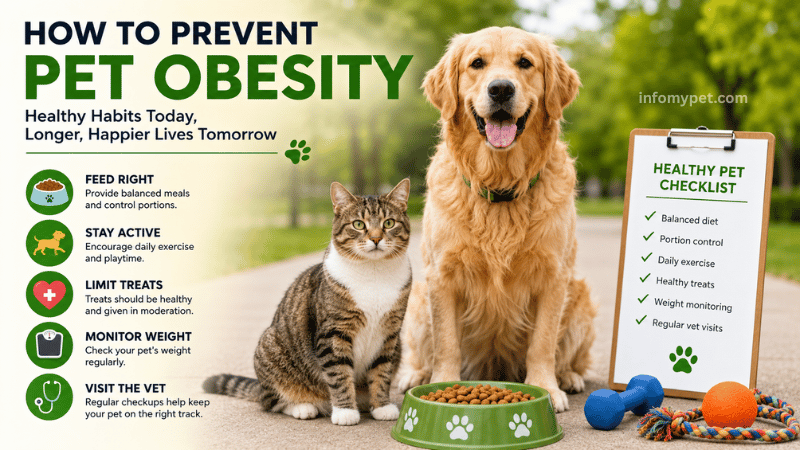
Many pet owners show affection through food. While treats can be useful for training and bonding, excessive feeding is a major contributor to pet obesity.
Obesity increases the risk of numerous health conditions, including diabetes, arthritis, heart disease, respiratory issues, and reduced mobility. Overweight pets often experience shorter lifespans and diminished quality of life.
How to Avoid This Mistake
Follow feeding guidelines provided by your veterinarian or pet food manufacturer. Measure food portions carefully rather than estimating. Limit treats to a small percentage of your pet's daily calorie intake.
Regularly monitor your pet's body condition and weight. If you notice significant weight gain, consult a veterinarian to develop a healthy weight management plan.
3. Skipping Regular Veterinary Checkups
Many owners only visit the veterinarian when their pet appears sick. This approach often allows health problems to progress unnoticed until they become more difficult and expensive to treat.
Routine veterinary examinations play a critical role in detecting diseases early. Conditions such as dental disease, kidney disease, diabetes, and certain cancers can develop silently without obvious symptoms during their early stages.
How to Avoid This Mistake
Schedule regular wellness examinations according to your veterinarian's recommendations. Puppies, kittens, senior pets, and animals with chronic conditions may require more frequent visits.
Preventive healthcare, vaccinations, parasite control, and routine screenings can help identify potential problems before they become serious.
4. Ignoring Dental Care
Dental health is often overlooked by pet owners. However, poor oral hygiene can lead to plaque buildup, gum disease, tooth loss, chronic pain, and bacterial infections that affect other organs.
Many pets suffer from dental disease without showing clear signs of discomfort. As a result, dental problems often go unnoticed until significant damage has occurred.
How to Avoid This Mistake
Brush your pet's teeth regularly using pet-safe toothpaste. Provide dental chews and toys designed to promote oral health. Schedule professional dental cleanings when recommended by your veterinarian.
Pay attention to signs such as bad breath, difficulty eating, excessive drooling, or inflamed gums.
5. Failing to Provide Adequate Exercise
Exercise is essential for maintaining both physical and mental health. Unfortunately, many pets do not receive sufficient daily activity.
Lack of exercise contributes to obesity, muscle weakness, boredom, anxiety, and destructive behaviors. Dogs, in particular, often develop behavioral problems when their exercise needs are not met.
How to Avoid This Mistake
Create a consistent exercise routine based on your pet's age, breed, and health status. Dogs may benefit from walks, hiking, fetch games, and agility activities. Cats often enjoy interactive toys, climbing structures, and laser-pointer play sessions.
Regular exercise helps maintain a healthy weight while providing valuable mental stimulation.
6. Neglecting Mental Stimulation
Physical activity alone is not enough to keep pets healthy. Animals also need mental enrichment to remain engaged and emotionally balanced.
Bored pets may develop undesirable behaviors such as excessive barking, chewing furniture, scratching surfaces, digging, or aggression.
How to Avoid This Mistake
Provide puzzle feeders, interactive toys, training exercises, and enrichment activities. Rotate toys periodically to maintain interest and prevent boredom.
Teaching new commands, tricks, or activities can strengthen the bond between owners and pets while keeping their minds active.
7. Inadequate Socialization
Proper socialization is especially important during the early stages of a pet's life. Animals that are not exposed to various people, environments, sounds, and experiences may become fearful or reactive later.
Poor socialization can contribute to anxiety, aggression, and difficulty adapting to new situations.
How to Avoid This Mistake
Introduce pets gradually to different environments and experiences. Use positive reinforcement to create pleasant associations with new situations.
Ensure that socialization experiences are safe, controlled, and appropriate for your pet's comfort level.
8. Using Punishment Instead of Positive Reinforcement
Some owners rely on yelling, physical punishment, or harsh corrections when addressing unwanted behavior. These methods often create fear and confusion rather than teaching appropriate behavior.
Punishment can damage trust between pets and owners while increasing anxiety and behavioral problems.
How to Avoid This Mistake
Focus on positive reinforcement techniques that reward desired behaviors. Praise, treats, toys, and affection can motivate pets to repeat good behaviors.
Consistency, patience, and proper training methods typically produce better long-term results than punishment.
9. Leaving Pets Alone for Extended Periods
Many pets are social animals that thrive on companionship and interaction. Long periods of isolation can lead to loneliness, stress, depression, and destructive behavior.
Dogs are particularly susceptible to separation-related issues when left alone for excessive periods.
How to Avoid This Mistake
Spend quality time with your pet every day. Consider pet sitters, dog walkers, daycare services, or enrichment activities if your schedule requires long absences.
Interactive toys and environmental enrichment can also help reduce boredom during alone time.
10. Ignoring Grooming Needs
Grooming involves more than maintaining appearance. Regular grooming helps prevent skin problems, matting, infections, and discomfort.
Certain breeds require extensive grooming, while others need only basic maintenance. Neglecting grooming can cause significant health and hygiene issues.
How to Avoid This Mistake
Establish a grooming routine appropriate for your pet's coat type and species. Regular brushing, nail trimming, ear cleaning, and bathing contribute to overall health and comfort.
Seek professional grooming assistance if needed.
11. Not Pet-Proofing the Home
Many household items pose hidden dangers to pets. Electrical cords, medications, toxic plants, cleaning chemicals, and small objects can cause injury or poisoning.
Curious pets often explore their surroundings using their mouths, making household hazards particularly dangerous.
How to Avoid This Mistake
Inspect your home from your pet's perspective. Store hazardous items securely and keep toxic substances out of reach.
Remove dangerous plants and secure areas where pets could become trapped or injured.
12. Neglecting Parasite Prevention
Fleas, ticks, heartworms, and intestinal parasites can cause serious health problems. Some parasites can even affect human family members.
Many owners underestimate the importance of year-round parasite prevention.
How to Avoid This Mistake
Follow your veterinarian's recommendations regarding parasite prevention products. Maintain regular preventive treatments even when pets appear healthy.
Routine screenings can help detect parasite infections early.
13. Failing to Recognize Signs of Illness
Pets often hide signs of illness as a natural survival instinct. Consequently, subtle symptoms may be easy to overlook.
Changes in appetite, behavior, energy levels, drinking habits, or bathroom routines can indicate underlying health problems.
How to Avoid This Mistake
Observe your pet daily and become familiar with their normal behavior patterns. Seek veterinary attention if you notice unusual changes or symptoms.
Early intervention often improves treatment outcomes and reduces complications.
14. Choosing a Pet Without Proper Research
Many people select pets based on appearance alone without understanding their care requirements. This often leads to mismatched expectations and challenges later.
Different species and breeds have unique needs related to exercise, grooming, training, housing, and healthcare.
How to Avoid This Mistake
Research extensively before bringing a new pet home. Consider your lifestyle, living space, budget, available time, and long-term commitment.
Choosing a pet that matches your circumstances increases the likelihood of a successful and rewarding relationship.
15. Underestimating Long-Term Financial Responsibility
Pet ownership involves ongoing expenses beyond food and basic supplies. Veterinary care, grooming, medications, training, boarding, and emergency treatments can be costly.
Some owners fail to budget adequately for these expenses.
How to Avoid This Mistake
Create a realistic pet care budget before adopting or purchasing a pet. Consider pet insurance or emergency savings funds to prepare for unexpected medical expenses.
Financial preparedness helps ensure your pet receives necessary care throughout its life.
Table: Summary of Common Pet Care Mistakes and Solutions
Understanding the most common pet care mistakes can help pet owners identify areas where improvements may be needed. While some mistakes may seem minor, they can have significant consequences on a pet's physical health, emotional well-being, and overall quality of life when repeated over time. The following table provides a quick overview of common pet care mistakes, the potential problems they may cause, and practical solutions that owners can implement to ensure their pets remain healthy, safe, and happy.
This summary serves as a useful reference for both new and experienced pet owners who want to provide the highest standard of care for their animal companions.
| Common Pet Care Mistake | Potential Consequences | How to Avoid It |
|---|---|---|
| Improper diet | Nutritional deficiencies and illness | Feed species-appropriate food |
| Overfeeding | Obesity and related diseases | Measure portions carefully |
| Skipping vet visits | Undetected health conditions | Schedule routine checkups |
| Poor dental care | Gum disease and infections | Maintain oral hygiene |
| Lack of exercise | Obesity and behavioral issues | Provide daily physical activity |
| Lack of mental stimulation | Boredom and destructive behavior | Use enrichment activities |
| Poor socialization | Fear and aggression | Introduce new experiences gradually |
| Punishment-based training | Anxiety and mistrust | Use positive reinforcement |
| Excessive isolation | Stress and loneliness | Increase interaction and enrichment |
| Neglecting grooming | Skin and coat problems | Establish grooming routines |
| Unsafe home environment | Injury and poisoning | Pet-proof the home |
| Lack of parasite prevention | Serious health risks | Follow preventive care plans |
| Ignoring illness signs | Delayed treatment | Monitor behavior closely |
| Poor pet selection | Ownership challenges | Research thoroughly |
| Financial unpreparedness | Inadequate care | Plan pet-related expenses |
Conclusion
Understanding and avoiding common pet care mistakes is one of the most effective ways to improve a pet's health, safety, and overall well-being. While mistakes can happen to even the most dedicated pet owners, awareness and education make it possible to prevent many avoidable problems.
Responsible pet ownership involves providing proper nutrition, regular veterinary care, adequate exercise, mental stimulation, social interaction, and a safe living environment. By addressing these fundamental aspects of care, pet owners can help their animals live longer, healthier, and happier lives.
Ultimately, investing time and effort into learning about common pet care mistakes benefits both pets and their owners. A well-cared-for pet is more likely to thrive physically and emotionally, creating a stronger and more rewarding bond that lasts for many years.
Frequently Asked Questions (FAQs)
What are the most common pet care mistakes made by pet owners?
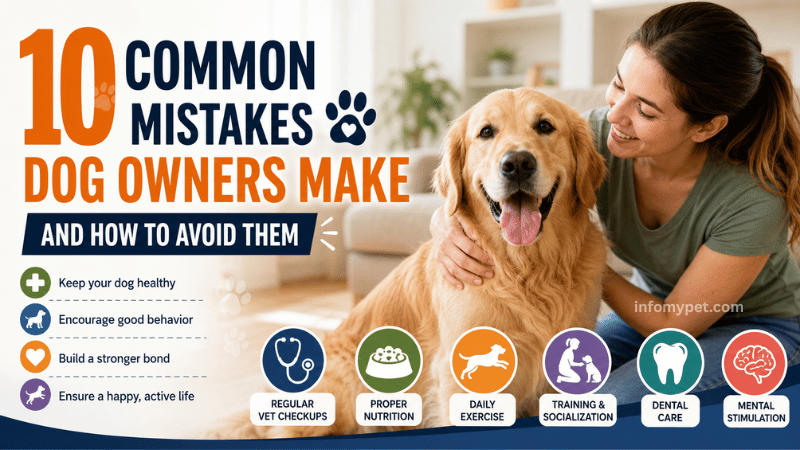
Some of the most common pet care mistakes include feeding an improper diet, overfeeding, skipping routine veterinary visits, neglecting dental care, failing to provide enough exercise, and overlooking mental stimulation. Many pet owners also underestimate the importance of grooming, parasite prevention, and proper socialization. These mistakes can negatively impact a pet's health and overall well-being if not addressed promptly.
Why is regular veterinary care important for pets?
Regular veterinary care helps detect health problems before they become serious. Routine checkups allow veterinarians to monitor your pet's overall health, administer necessary vaccinations, perform preventive screenings, and identify early signs of disease. Early diagnosis often leads to more effective treatment and better long-term outcomes.
How can I tell if I am overfeeding my pet?
Signs of overfeeding may include noticeable weight gain, reduced mobility, difficulty feeling your pet's ribs, and decreased energy levels. Following recommended feeding guidelines and monitoring your pet's body condition can help prevent obesity. If you are unsure about the appropriate amount of food, consult your veterinarian for personalized advice.
How much exercise does my pet need each day?
Exercise requirements vary depending on the species, breed, age, and health condition of your pet. Active dog breeds may require one to two hours of exercise daily, while cats benefit from multiple short play sessions throughout the day. Providing appropriate physical activity helps maintain a healthy weight and supports mental well-being.
Why is mental stimulation important for pets?
Mental stimulation helps prevent boredom, stress, and destructive behaviors. Pets that receive adequate mental enrichment are often happier, more confident, and better behaved. Activities such as puzzle toys, training exercises, interactive games, and enrichment activities help keep your pet mentally engaged.
What are the dangers of skipping dental care for pets?
Poor dental hygiene can lead to plaque buildup, gum disease, tooth loss, bad breath, and painful infections. In severe cases, oral bacteria can spread to other organs and contribute to serious health issues. Regular brushing and professional dental care are important parts of responsible pet ownership.
How can I make my home safer for my pet?
You can improve pet safety by removing toxic plants, securing medications and cleaning products, covering electrical cords, and keeping small objects out of reach. Pet-proofing your home reduces the risk of accidents, injuries, and poisoning while creating a safer environment for your companion animal.
What should I do if I notice changes in my pet's behavior?
Changes in behavior, appetite, drinking habits, sleeping patterns, or energy levels may indicate an underlying health problem. Monitor these changes carefully and contact your veterinarian if symptoms persist or worsen. Early intervention can help prevent more serious complications.
Is positive reinforcement better than punishment for training pets?
Yes. Positive reinforcement is generally considered one of the most effective and humane training methods. Rewarding desired behaviors with treats, praise, or toys encourages pets to repeat those behaviors. Punishment-based training can create fear, anxiety, and a breakdown of trust between pets and their owners.
How can I avoid making common pet care mistakes?
The best way to avoid common pet care mistakes is to educate yourself about your pet's specific needs, maintain regular veterinary care, provide proper nutrition, ensure adequate exercise and mental stimulation, and continuously monitor your pet's health and behavior. Staying informed and proactive can significantly improve your pet's quality of life.
References
- 10 Common Pet Care Mistakes to Avoid at All Costs - slatonvet.com
- 5 Care Mistakes Every Pet Parent Should Avoid - metlifepetinsurance.com
Disclaimer: The information shared on InfoMyPet is based on my personal experience in caring for my pets and is provided for general informational and entertainment purposes only.I am sharing my experiences, tips, and observations to help other pet owners, but the information on this blog should not be considered professional veterinary advice, diagnosis, treatment, or a substitute for consultation with a qualified veterinarian.Every pet is different, and what works for my pets may not be suitable for another pet. If your pet is sick, injured, showing unusual symptoms, or requires medical attention, please consult a qualified veterinarian for proper advice and treatment.InfoMyPet and its owner are not responsible for any loss, injury, or other consequences resulting from the use of information shared on this blog.By using this website, you acknowledge and agree that you use the information provided here at your own discretion and risk.


0 Comments