
Pet obesity has become one of the most common health concerns affecting companion animals around the world. Just like humans, pets can gain excessive weight when they consume more calories than they burn. While a chubby pet may appear cute to some owners, excess body weight can lead to serious health complications that reduce both quality of life and life expectancy.
Understanding how to prevent pet obesity is essential for every responsible pet owner. Maintaining a healthy weight helps pets stay active, energetic, and less susceptible to various diseases. Prevention is always easier, safer, and more affordable than treating obesity-related conditions after they develop.
Many pet owners unintentionally contribute to weight gain through overfeeding, excessive treats, lack of exercise, and misunderstanding their pet's nutritional needs. Fortunately, obesity can often be prevented through proper diet management, regular physical activity, and routine health monitoring.
This comprehensive guide will explain everything pet owners need to know about how to prevent pet obesity, including its causes, health risks, dietary recommendations, exercise strategies, and practical tips for maintaining a healthy weight throughout a pet's life.
Table of Contents
How to Prevent Pet Obesity: A Comprehensive Guide for Pet Owners
Understanding Pet Obesity
Pet obesity occurs when an animal accumulates excessive body fat that negatively impacts its health and well-being. Obesity is more than simply being overweight. It is a medical condition that increases the risk of numerous diseases and can significantly shorten a pet's lifespan.
Veterinarians often use a Body Condition Score (BCS) system to evaluate whether a pet is underweight, ideal weight, overweight, or obese. This assessment helps determine whether a pet requires dietary adjustments or lifestyle changes.
Dogs and cats are particularly vulnerable to obesity because many live relatively sedentary lifestyles compared to their wild counterparts. Modern pets often spend long periods indoors with easy access to food and limited opportunities for physical activity.
Recognizing obesity as a serious health issue rather than a cosmetic concern is the first step toward prevention.
Why Pet Obesity Is a Growing Problem
Pet obesity rates have increased dramatically over recent decades. Several lifestyle factors contribute to this trend.
1. Overfeeding
One of the most common causes of obesity is overfeeding. Many owners provide portions that exceed their pet's actual calorie requirements. Even small excesses can accumulate over time and result in significant weight gain.
2. Excessive Treats
Treats are often used as rewards, expressions of affection, or training tools. While treats can be beneficial when used appropriately, excessive treat consumption adds unnecessary calories that contribute to obesity.
3. Lack of Exercise
Modern pets often experience reduced activity levels. Indoor living, limited playtime, and insufficient walks can drastically reduce calorie expenditure.
4. Human Food Sharing
Many pet owners enjoy sharing food from their plates. Unfortunately, human foods are often high in calories, fat, sugar, and salt, making them unsuitable for pets and contributing to weight gain.
5. Neutering and Aging
Metabolic rates may decrease after neutering or as pets age. Without corresponding dietary adjustments, weight gain can occur more easily.
Health Risks Associated with Pet Obesity
Understanding the dangers of obesity highlights why learning how to prevent pet obesity is so important.
1. Diabetes
Obesity significantly increases the risk of diabetes, particularly in cats. Excess body fat can interfere with insulin regulation, making blood sugar control more difficult.
2. Joint Problems
Carrying excess weight places additional stress on joints and bones. This can accelerate arthritis development and worsen existing mobility issues.
3. Heart Disease
Obese pets often experience increased cardiovascular strain. Excess weight forces the heart to work harder, potentially contributing to various heart conditions.
4. Respiratory Difficulties
Fat accumulation around the chest and abdomen can make breathing more difficult, especially during physical activity or warm weather.
5. Reduced Lifespan
Numerous studies have shown that overweight pets generally live shorter lives compared to pets maintained at healthy body weights.
6. Decreased Quality of Life
Obese pets often experience reduced energy levels, decreased mobility, increased discomfort, and diminished overall well-being.
How to Determine Whether Your Pet Is Overweight
Early detection is crucial for preventing obesity.
1. Check the Ribs
You should be able to feel your pet's ribs with gentle pressure. If the ribs are difficult to locate beneath a thick layer of fat, your pet may be overweight.
2. Observe the Waistline
Viewed from above, most pets should have a visible waist behind the ribs. A lack of waist definition may indicate excess weight.
3. Examine the Abdomen
From the side, the abdomen should tuck upward slightly toward the hind legs. A sagging belly may suggest overweight or obesity.
4. Monitor Weight Regularly
Routine weighing allows owners to identify gradual weight gain before it becomes a serious problem.
5. Consult a Veterinarian
Regular veterinary examinations provide the most accurate assessment of body condition and weight status.
How to Prevent Pet Obesity Through Proper Nutrition
Nutrition plays the most important role in weight management.
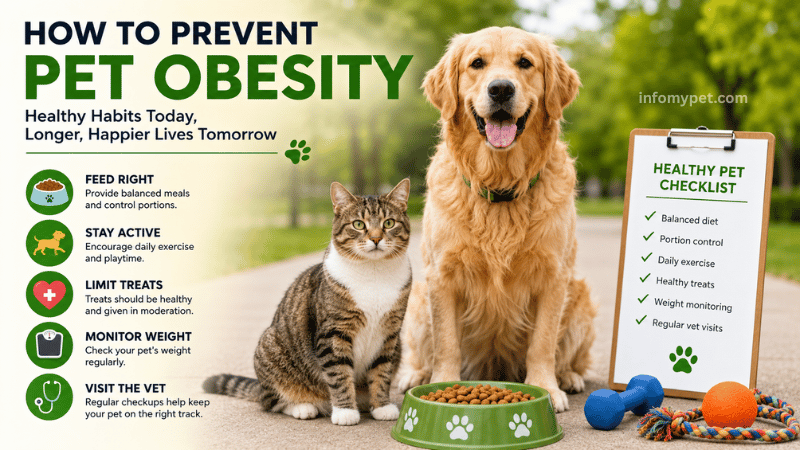
1. Feed Appropriate Portion Sizes
Following feeding guidelines on pet food packaging can provide a useful starting point. However, portion sizes should be adjusted based on age, breed, activity level, and individual metabolism.
Using a measuring cup or kitchen scale ensures consistent portion control and prevents accidental overfeeding.
2. Choose High-Quality Pet Food
Premium pet foods often provide balanced nutrition with carefully formulated calorie levels. Quality ingredients help pets feel satisfied while receiving essential nutrients.
When selecting food, consider factors such as:
- Age
- Breed size
- Activity level
- Health conditions
- Life stage requirements
3. Avoid Free Feeding
Free feeding involves leaving food available throughout the day. This approach can encourage overeating, especially in less active pets.
Scheduled meal times allow owners to monitor food intake more effectively and identify appetite changes that may indicate health issues.
4. Limit High-Calorie Treats
Treats should generally account for no more than ten percent of daily calorie intake.
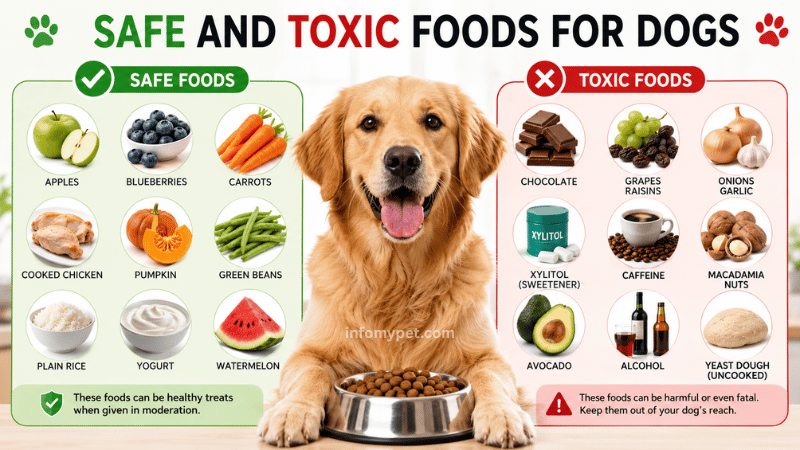
Healthier treat alternatives may include:
- Small pieces of carrot
- Green beans
- Cucumber slices
- Veterinary-approved low-calorie treats
5. Avoid Feeding Table Scraps
Many human foods contain excessive calories and unhealthy ingredients for pets. Consistently providing table scraps can quickly lead to weight gain.
Importance of Regular Exercise
Exercise is a critical component of how to prevent pet obesity.
1. Benefits of Physical Activity
Regular exercise provides numerous benefits, including:
- Calorie burning
- Improved muscle strength
- Better cardiovascular health
- Enhanced mental stimulation
- Reduced boredom
- Improved behavior
2. Exercise Recommendations for Dogs
Dogs typically require daily exercise tailored to their breed, age, and health condition.
Activities may include:
- Walking
- Running
- Hiking
- Fetch games
- Swimming
- Agility training
High-energy breeds generally require significantly more activity than smaller or less active breeds.
3. Exercise Recommendations for Cats
Although cats are often viewed as independent and less active, they still require regular exercise.
Effective activities include:
- Interactive wand toys
- Laser pointer sessions
- Climbing structures
- Puzzle feeders
- Ball toys
- Chasing games
Frequent short play sessions can help indoor cats maintain healthy body weight.
Creating a Weight Management Routine
Consistency is essential for long-term success.
1. Establish Fixed Feeding Times
Regular meal schedules help regulate appetite and prevent unnecessary snacking.
2. Monitor Body Weight Monthly
Monthly weight checks provide valuable information about trends and allow early intervention when needed.
3. Track Calorie Intake
Recording meals and treats helps identify hidden calorie sources and supports better dietary decisions.
4. Maintain an Exercise Schedule
Daily exercise should become a routine part of pet care rather than an occasional activity.
Special Considerations for Different Life Stages
1. Puppies and Kittens
Young pets require adequate nutrition for growth and development. However, overfeeding during this stage can establish unhealthy habits that continue into adulthood.
2. Adult Pets
Adult animals benefit from balanced nutrition and consistent activity levels that support weight maintenance.
3. Senior Pets
Older pets often become less active and may require fewer calories. Adjusting food intake appropriately helps prevent age-related weight gain.
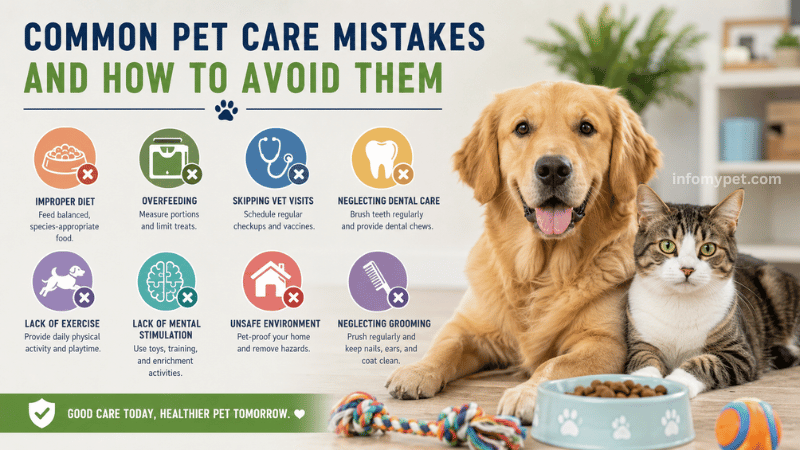
Common Mistakes Pet Owners Make
1. Using Food as the Only Reward
Many owners reward pets exclusively with food. Alternative rewards such as praise, toys, playtime, and affection can reduce unnecessary calorie consumption.
2. Ignoring Gradual Weight Gain
Small increases in weight may seem insignificant initially but can become major problems over time.
3. Assuming All Pets Need the Same Amount of Food
Calorie requirements vary significantly between breeds, sizes, ages, and activity levels.
4. Inconsistent Feeding Practices
Different family members may unknowingly provide extra meals or treats, resulting in excessive calorie intake.
5. Lack of Veterinary Checkups
Regular veterinary visits help identify weight issues early and provide personalized recommendations.
The Role of Mental Stimulation in Weight Control
Mental stimulation can indirectly support healthy weight management.
Bored pets may eat out of boredom rather than hunger. Providing enrichment activities helps reduce unnecessary food-seeking behaviors.
Examples include:
- Puzzle toys
- Food-dispensing toys
- Training sessions
- Interactive games
- Exploration opportunities
Mental exercise can be nearly as important as physical exercise for maintaining overall wellness.
Weight Management for Multi-Pet Households
Managing weight becomes more challenging when multiple pets share a home.
Some pets may eat faster than others, steal food, or consume portions intended for another animal.
Strategies include:
- Feeding pets separately
- Monitoring meal times
- Using portion-controlled feeding stations
- Supervising food consumption
Individualized feeding plans help ensure each pet receives the appropriate amount of nutrition.
When to Seek Veterinary Assistance
Professional guidance may be necessary if:
- Weight gain occurs despite proper feeding
- Your pet appears unusually hungry
- Mobility decreases significantly
- Exercise tolerance declines
- Underlying medical conditions are suspected
Certain health issues, including hormonal disorders, can contribute to obesity and require veterinary treatment.
Preventing Obesity Is Easier Than Treating It
Weight loss in pets often requires significant time, dedication, and lifestyle adjustments. Prevention is generally much simpler and more effective.
Maintaining healthy habits from an early age reduces the likelihood of obesity and helps pets enjoy a higher quality of life throughout their years.
By focusing on balanced nutrition, portion control, regular exercise, mental stimulation, and routine veterinary care, owners can significantly reduce obesity risk.
Conclusion
Learning how to prevent pet obesity is one of the most important responsibilities of pet ownership. Obesity can lead to serious health complications, reduced mobility, chronic disease, and shorter life expectancy. Fortunately, most cases can be prevented through proactive care and informed decision-making.
Providing appropriate portion sizes, limiting treats, encouraging daily exercise, monitoring weight regularly, and seeking veterinary guidance when necessary are all essential components of effective obesity prevention. Consistency and commitment are key to maintaining a healthy lifestyle for pets.
By implementing these strategies, pet owners can help their companions remain active, comfortable, and healthy for many years. A healthy weight not only extends lifespan but also enhances overall happiness and quality of life, ensuring that pets enjoy every stage of their journey alongside the families who love them.
Frequently Asked Questions (FAQs)
What is the main cause of pet obesity?
The main cause of pet obesity is consuming more calories than are burned through daily activities and exercise. Overfeeding, excessive treats, lack of physical activity, and feeding human food are among the most common factors that contribute to weight gain in pets.
How can I tell if my pet is overweight?
You can assess your pet's body condition by checking whether you can easily feel their ribs, observing if they have a visible waistline, and looking for an abdominal tuck when viewed from the side. Regular veterinary checkups can also help determine whether your pet is at a healthy weight.
How much exercise does my pet need to prevent obesity?
Exercise requirements vary depending on your pet's species, breed, age, and health condition. Most dogs benefit from at least 30 to 60 minutes of daily exercise, while cats should engage in several short play sessions throughout the day to stay active and maintain a healthy weight.
Are treats bad for pets?
Treats are not inherently bad, but they should be given in moderation. Experts generally recommend that treats make up no more than 10% of a pet's daily calorie intake. Choosing healthy, low-calorie treats can help reduce the risk of weight gain.
Can indoor pets become obese more easily?
Yes, indoor pets are often at a higher risk of obesity because they typically have fewer opportunities for physical activity. Providing regular exercise, interactive toys, and mental stimulation can help indoor pets maintain a healthy weight.
Does neutering or spaying cause obesity?
Neutering or spaying does not directly cause obesity, but it can lead to changes in metabolism and energy requirements. Pet owners may need to adjust food portions and maintain regular exercise to prevent weight gain after the procedure.
Is free feeding a good way to feed pets?
Free feeding may increase the risk of overeating, particularly in pets that have a strong appetite. Scheduled meal times and portion-controlled feeding are generally more effective for managing weight and preventing obesity.
Can obesity shorten a pet's lifespan?
Yes, obesity can significantly reduce a pet's lifespan. Excess weight increases the risk of chronic health conditions such as diabetes, heart disease, arthritis, and respiratory problems, all of which can negatively affect longevity and quality of life.
What foods should I avoid giving my pet?
Pet owners should avoid feeding table scraps, sugary foods, fried foods, high-fat snacks, and other calorie-dense human foods. Many human foods can contribute to obesity and may even be toxic to pets.
How often should I weigh my pet?
Weighing your pet once a month is a good practice for monitoring changes in body weight. Regular monitoring allows you to identify gradual weight gain early and make adjustments before obesity becomes a serious problem.
Can certain breeds be more prone to obesity?
Yes, some dog and cat breeds have a greater tendency to gain weight due to genetics, appetite, or lower activity levels. Breeds that are prone to obesity may require closer monitoring of food intake and exercise routines.
What should I do if my pet is already overweight?
If your pet is already overweight, consult your veterinarian for a personalized weight management plan. A combination of portion control, dietary adjustments, increased physical activity, and regular monitoring can help your pet lose weight safely and effectively.
References
Disclaimer: The information shared on InfoMyPet is based on my personal experience in caring for my pets and is provided for general informational and entertainment purposes only.I am sharing my experiences, tips, and observations to help other pet owners, but the information on this blog should not be considered professional veterinary advice, diagnosis, treatment, or a substitute for consultation with a qualified veterinarian.Every pet is different, and what works for my pets may not be suitable for another pet. If your pet is sick, injured, showing unusual symptoms, or requires medical attention, please consult a qualified veterinarian for proper advice and treatment.InfoMyPet and its owner are not responsible for any loss, injury, or other consequences resulting from the use of information shared on this blog.By using this website, you acknowledge and agree that you use the information provided here at your own discretion and risk.


0 Comments