
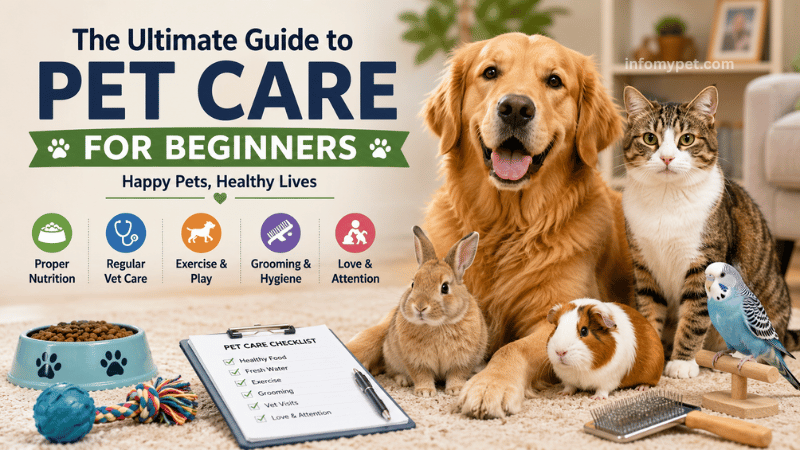
The Ultimate Guide to Pet Care for Beginners | Pets bring joy, companionship, and emotional support to millions of households around the world. Whether you choose a dog, cat, rabbit, bird, fish, or another companion animal, becoming a pet owner is a long-term commitment that requires responsibility, patience, and knowledge. For individuals who are new to pet ownership, understanding the fundamentals of proper pet care is essential to ensure that animals remain healthy, happy, and safe throughout their lives.
Many first-time pet owners are excited about bringing home a new companion, but they may not fully understand the daily responsibilities involved. Proper feeding, grooming, healthcare, exercise, training, and emotional enrichment all play crucial roles in maintaining a pet's well-being. Learning these basics early can help prevent common mistakes and create a strong bond between owners and their pets.
This ultimate guide to pet care for beginners covers everything new pet owners need to know, from selecting the right pet to providing lifelong care and attention.
Table of Contents
The Ultimate Guide to Pet Care for Beginners
Understanding the Responsibilities of Pet Ownership
Before bringing any pet into your home, it is important to understand that pet ownership involves much more than simply providing food and water. Pets depend entirely on their owners for their physical and emotional needs.
Owning a pet requires a commitment of time, effort, and financial resources. Daily feeding, exercise, cleaning, grooming, training, and regular veterinary visits all become part of your routine. Some pets may live for several years, while others can remain part of the family for decades. Therefore, pet ownership should always be viewed as a long-term responsibility rather than a short-term decision.
Understanding these responsibilities beforehand helps ensure that both the pet and owner enjoy a positive and fulfilling relationship.
Choosing the Right Pet for Your Lifestyle
One of the most important aspects of pet care for beginners is selecting a pet that matches your lifestyle and living situation.
Different animals have different needs. Some require extensive daily interaction and exercise, while others are relatively independent. Factors to consider include your available space, daily schedule, budget, activity level, and previous experience with animals.
Dogs
Dogs are highly social animals that thrive on companionship and interaction. They require regular walks, exercise, training, and attention. Active individuals and families often find dogs to be excellent companions because of their loyalty and affectionate nature.
Cats
Cats are generally more independent than dogs and often require less hands-on attention. They still need daily care, affection, and mental stimulation but are usually well-suited for apartment living and busy households.
Small Mammals
Rabbits, guinea pigs, hamsters, and other small mammals can make excellent pets for beginners. However, they still require proper housing, specialized diets, and regular interaction to remain healthy.
Birds
Birds are intelligent and social creatures that require mental stimulation and regular engagement. Some species can live for many years, making them a significant long-term commitment.
Fish
Fish can be attractive pets for beginners due to their relatively low maintenance requirements. However, maintaining proper water quality, filtration, and tank conditions remains essential for their health.
Selecting a pet that fits your lifestyle increases the likelihood of successful and enjoyable pet ownership.
Preparing Your Home for a New Pet
Creating a safe environment is an essential step before bringing a pet home.
Pets are naturally curious and may investigate objects that could pose dangers. Taking preventive measures can help avoid accidents and injuries.
Some important preparations include:
- Removing toxic plants
- Securing electrical cords
- Storing medications safely
- Keeping cleaning products out of reach
- Installing secure gates when necessary
- Providing a designated sleeping area
- Setting up feeding and watering stations
A well-prepared environment helps pets feel comfortable and reduces stress during the adjustment period.
Providing Proper Nutrition
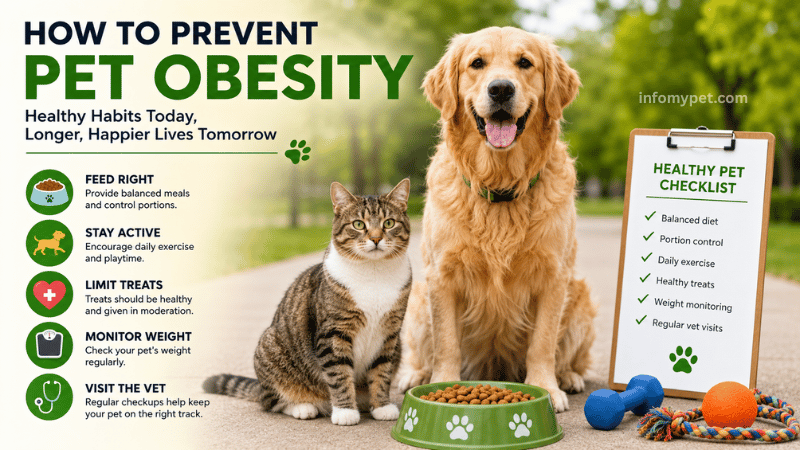
Nutrition forms the foundation of good pet health. A balanced diet supports growth, energy levels, immune function, and overall well-being.
Different species, breeds, ages, and activity levels require different nutritional needs. Feeding inappropriate foods can lead to obesity, nutritional deficiencies, digestive issues, and other health problems.
Choosing High-Quality Pet Food
When selecting pet food, look for products that provide complete and balanced nutrition. Quality pet foods are formulated to meet the specific requirements of different life stages such as puppies, kittens, adults, and seniors.
Always read ingredient labels carefully and consult a veterinarian when choosing the most appropriate diet for your pet.
Establishing a Feeding Schedule
Consistent feeding schedules help regulate digestion and maintain healthy eating habits.
For example:
| Pet Type | Typical Feeding Frequency |
|---|---|
| Puppies | 3–4 meals daily |
| Adult Dogs | 1–2 meals daily |
| Kittens | 3–4 meals daily |
| Adult Cats | 2 meals daily |
| Small Mammals | Continuous access to appropriate food |
| Fish | 1–2 small feedings daily |
Maintaining regular meal times helps prevent overeating and supports healthy weight management.
Providing Fresh Water
Clean drinking water should always be available. Proper hydration is critical for organ function, digestion, circulation, and temperature regulation.
Water bowls should be cleaned regularly to prevent bacterial growth and contamination.
Understanding Veterinary Care
Regular veterinary care is one of the most important aspects of pet care for beginners.
Routine examinations help detect health issues early before they become serious or expensive to treat. Preventive healthcare often improves quality of life and extends a pet's lifespan.
Vaccinations
Vaccinations protect pets from dangerous and potentially life-threatening diseases.
Your veterinarian will recommend a vaccination schedule based on your pet's species, age, and risk factors.
Parasite Prevention
Fleas, ticks, worms, and other parasites can cause significant health problems. Preventive treatments help protect pets from infestations and associated illnesses.
Routine Checkups
Annual or semi-annual veterinary examinations allow professionals to monitor your pet's overall health, weight, dental condition, and behavioral changes.
Early detection often leads to more effective treatment outcomes.
The Importance of Exercise
Physical activity is essential for maintaining healthy body weight, strong muscles, and cardiovascular health.
Insufficient exercise can contribute to obesity, boredom, anxiety, and behavioral problems.
Exercise for Dogs
Dogs generally require daily walks, play sessions, and opportunities to explore their environment. Exercise requirements vary depending on breed, age, and health condition.
Exercise for Cats
Indoor cats benefit from climbing structures, interactive toys, scratching posts, and play sessions that encourage natural hunting behaviors.
Exercise for Small Pets
Rabbits, guinea pigs, and other small mammals should have opportunities to move freely in safe, supervised areas outside their enclosures.
Regular activity helps maintain both physical and mental health.
Grooming and Hygiene
Proper grooming contributes to comfort, cleanliness, and disease prevention.
The grooming needs of pets vary depending on species and breed.
Brushing
Regular brushing helps remove loose fur, prevent matting, and distribute natural oils throughout the coat.
Long-haired breeds typically require more frequent brushing than short-haired breeds.
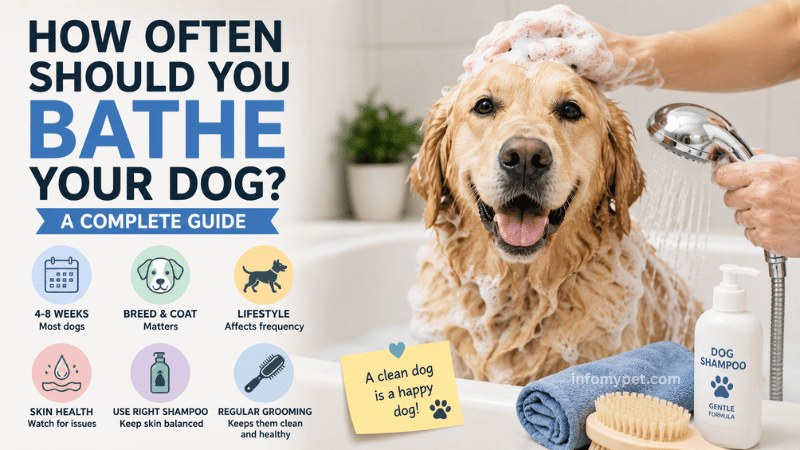
Bathing
Bathing should be performed as needed using products specifically designed for pets. Excessive bathing may strip natural oils and cause skin irritation.
Nail Care
Overgrown nails can cause discomfort and affect mobility. Routine nail trimming helps maintain proper paw health.
Ear Cleaning
Regular ear inspections help identify signs of infection, irritation, or excessive wax buildup.
Dental Care
Dental disease is one of the most common health issues affecting pets. Brushing teeth regularly and providing appropriate dental products can help maintain oral health.
Training and Socialization
Training is an essential component of responsible pet ownership.
Proper training helps establish boundaries, improve communication, and strengthen the relationship between owners and pets.
Positive Reinforcement
Positive reinforcement involves rewarding desirable behaviors rather than punishing unwanted actions.
Rewards may include:
- Treats
- Praise
- Toys
- Affection
- Playtime
This approach encourages learning while building trust and confidence.
Early Socialization
Socialization exposes pets to various people, environments, sounds, and situations in a controlled manner.
Well-socialized pets tend to be more confident, adaptable, and less fearful in unfamiliar situations.
Providing Mental Stimulation
Mental enrichment is just as important as physical exercise.
Boredom can lead to destructive behaviors, stress, and frustration.
Examples of mental stimulation include:
| Activity | Benefits |
|---|---|
| Puzzle Toys | Encourages problem-solving |
| Training Sessions | Strengthens learning and focus |
| Interactive Games | Promotes engagement |
| Food-Dispensing Toys | Combines feeding with enrichment |
| Exploration Walks | Provides sensory stimulation |
Regular enrichment activities help maintain emotional well-being and prevent boredom.
Creating a Safe Environment
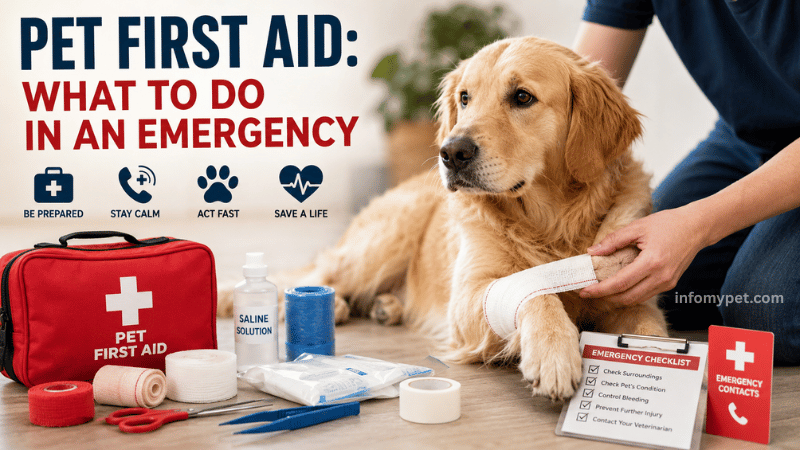
Safety should remain a priority throughout a pet's life.
Common household hazards include:
- Toxic foods
- Electrical cords
- Small choking hazards
- Household chemicals
- Human medications
- Sharp objects
- Open windows and balconies
Regularly inspecting your home for potential dangers helps reduce the risk of accidents.
Recognizing Signs of Illness
New pet owners should learn to recognize common signs that may indicate health problems.
Symptoms that warrant veterinary attention may include:
- Loss of appetite
- Vomiting
- Diarrhea
- Excessive thirst
- Difficulty breathing
- Sudden weight changes
- Lethargy
- Unusual behavior
- Persistent coughing
- Skin abnormalities
Prompt medical attention often prevents minor issues from developing into serious conditions.
Managing Pet Expenses
Financial planning is an often-overlooked aspect of pet ownership.
Common expenses include:
| Expense Category | Examples |
|---|---|
| Food | Daily nutrition |
| Veterinary Care | Exams, vaccines, treatments |
| Grooming | Professional or home grooming supplies |
| Housing | Cages, tanks, bedding |
| Training | Classes and behavioral support |
| Toys | Enrichment and entertainment |
| Emergency Care | Unexpected medical expenses |
Budgeting for these costs helps ensure that pets receive proper care throughout their lives.
Building a Strong Bond with Your Pet
A strong relationship between owner and pet develops through trust, consistency, and positive interactions.
Spending quality time together strengthens emotional connections and improves communication. Activities such as play sessions, training exercises, grooming, and simply relaxing together help foster a sense of security and companionship.
Pets that feel loved, safe, and understood are often happier, more confident, and better adjusted.
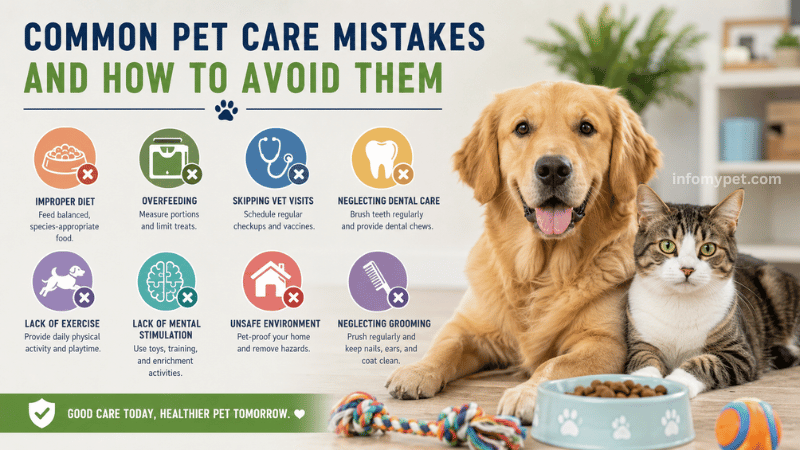
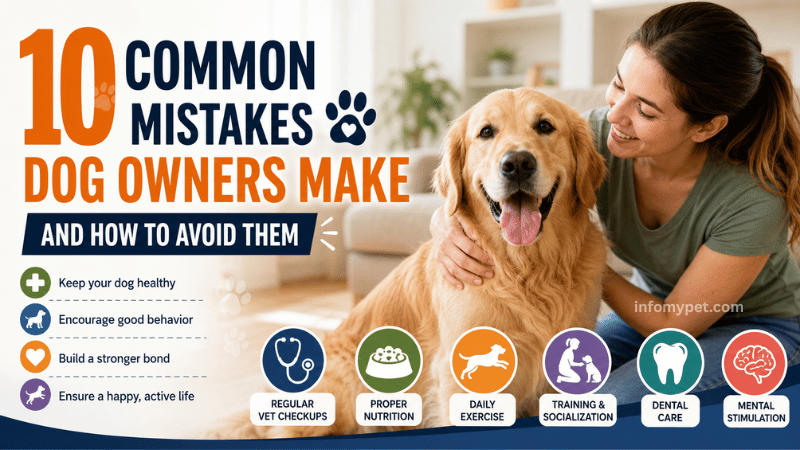
Common Mistakes First-Time Pet Owners Should Avoid
Many beginners make mistakes simply because they lack experience.
Some common mistakes include:
- Choosing a pet impulsively
- Overfeeding treats
- Skipping veterinary visits
- Neglecting exercise
- Using punishment-based training
- Ignoring dental care
- Providing insufficient mental stimulation
- Failing to research species-specific needs
Avoiding these mistakes can significantly improve a pet's quality of life and strengthen the owner-pet relationship.
Long-Term Pet Care Considerations
As pets age, their needs may change significantly.
Senior pets often require:
- More frequent veterinary monitoring
- Specialized diets
- Joint support
- Modified exercise routines
- Comfortable bedding
- Additional healthcare support
Understanding these changing needs allows owners to provide appropriate care throughout every stage of life.
Conclusion
Learning proper pet care for beginners is the first step toward becoming a responsible and successful pet owner. Every pet depends on its owner for food, shelter, healthcare, safety, and emotional support. By providing proper nutrition, regular veterinary care, adequate exercise, grooming, training, and mental enrichment, beginners can create a healthy and rewarding environment for their animal companions.
Pet ownership is a lifelong journey filled with learning experiences, responsibilities, and countless memorable moments. With patience, dedication, and a commitment to meeting your pet's needs, you can build a strong bond that benefits both you and your beloved companion for many years to come.
FAQ
How often should I take my pet to the vet?
It is recommended that pets receive a veterinary check-up at least once a year. However, puppies, kittens, and seniors may require more frequent vaccinations and health monitoring visits.
What are everyday household items that are toxic to pets?
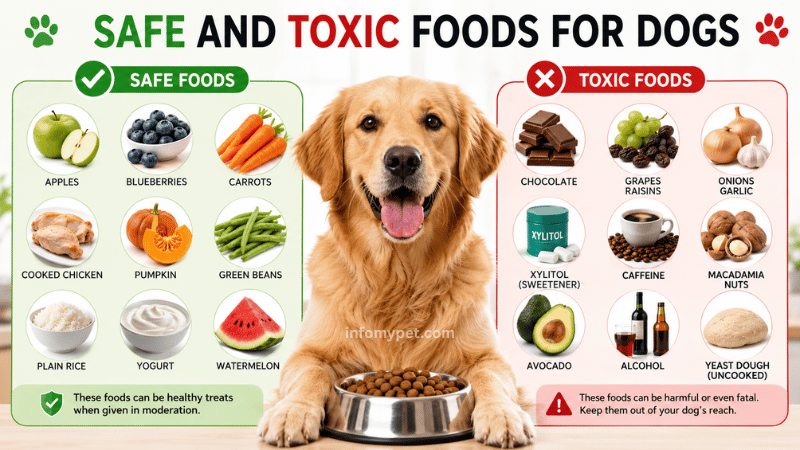
Chocolate, onions, garlic, grapes, xylitol (found in sugar-free gum), certain houseplants (such as lilies), and cleaning chemicals are everyday toxic. Always keep these substances out of the reach of pets.
How can I tell if my pet is sick?
Signs of illness may include changes in appetite, lethargy, vomiting, diarrhea, excessive scratching, or unusual behavior. If you notice any of these symptoms, consult a veterinarian immediately.
How do I introduce a new pet to my existing pets?
Introduce pets gradually in a neutral space, monitor their interactions, and initially provide separate food and resting areas. Patience and positive reinforcement can help ease the transition.
What is the best way to train a pet?
Use positive reinforcement methods such as treats, praise, and rewards. Consistency and patience are key to successfully training your pet.
How can I keep my pet entertained while I’m away?
Provide interactive toys, puzzle feeders, and safe chew items. For dogs, consider dog walkers or pet sitters to ensure they get enough exercise and companionship.
Should I spay or neuter my pet?
Yes, spaying or neutering your pet can prevent unwanted litters, reduce the risk of certain cancers, and decrease behavioral problems such as aggression and roaming.
How can I prepare my pet for a long trip?
Gradually introduce them to travel carriers, take short trips first, and ensure they can access food, water, and comfort. For long trips, consult a vet for advice on motion sickness or travel anxiety.
What should I do if my pet gets lost?
Ensure your pet wears a collar with an ID tag, and consider microchipping it for added security. If it gets lost, check local shelters, post on social media, and distribute flyers in your neighborhood.
How can I help my pet adjust to a new home?
Give them time to explore their new environment, maintain a consistent routine, and provide comforting items such as their favorite blanket or toy.
Resources
- https://sydneypetlands.com.au/the-essential-pet-care-guide-for-first-time-pet-owners
- https://primevetclinic.org/blog/the-ultimate-guide-to-pet-care
Disclaimer: The information shared on InfoMyPet is based on my personal experience in caring for my pets and is provided for general informational and entertainment purposes only.I am sharing my experiences, tips, and observations to help other pet owners, but the information on this blog should not be considered professional veterinary advice, diagnosis, treatment, or a substitute for consultation with a qualified veterinarian.Every pet is different, and what works for my pets may not be suitable for another pet. If your pet is sick, injured, showing unusual symptoms, or requires medical attention, please consult a qualified veterinarian for proper advice and treatment.InfoMyPet and its owner are not responsible for any loss, injury, or other consequences resulting from the use of information shared on this blog.By using this website, you acknowledge and agree that you use the information provided here at your own discretion and risk.


0 Comments