
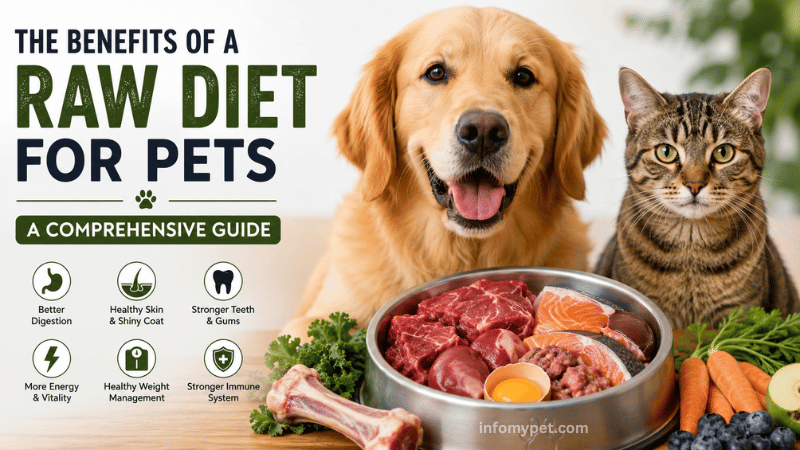
The Benefits of a Raw Diet for Pets. A Comprehensive Guide | Pets are more than just animals that share our homes. They are valued companions, loyal friends, and beloved members of the family. Because of this, many pet owners are becoming increasingly interested in providing the best possible nutrition for their dogs and cats. One feeding approach that has gained significant attention in recent years is the raw diet for pets.
Supporters of raw feeding believe that a diet consisting of uncooked meat, bones, organs, and other natural ingredients more closely resembles what animals would consume in the wild. They argue that this approach can provide numerous health benefits, including improved digestion, healthier skin, shinier coats, stronger teeth, and higher energy levels.
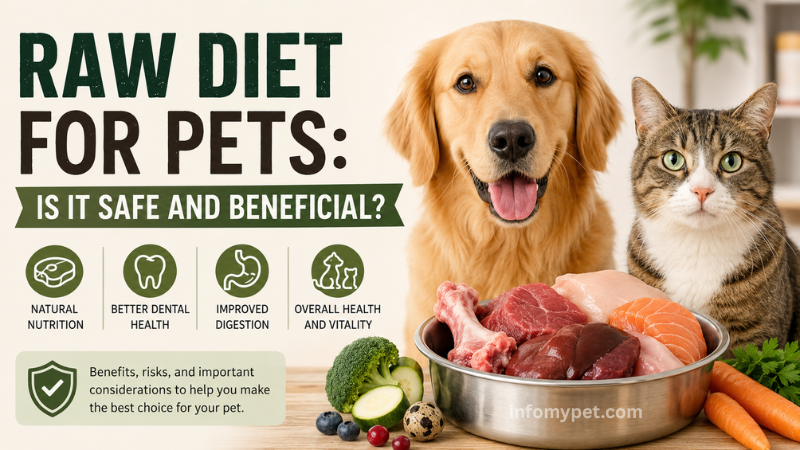
At the same time, the raw diet remains a topic of discussion among veterinarians, pet nutritionists, and pet owners. Understanding both the benefits and considerations associated with raw feeding is essential before making any dietary changes for your pet.
This comprehensive guide explores everything you need to know about the benefits of a raw diet for pets, including its potential advantages, nutritional value, common ingredients, risks, and best practices for implementation.
Table of Contents
The Benefits of a Raw Diet for Pets: A Comprehensive Guide
What Is a Raw Diet for Pets?
A raw diet for pets is a feeding method that focuses on providing uncooked and minimally processed foods. The primary goal is to replicate the natural diet that dogs and cats would have consumed before domestication.
A typical raw diet may include:
- Raw muscle meat
- Raw edible bones
- Organ meats such as liver and kidney
- Fish
- Eggs
- Fruits
- Vegetables
- Nutritional supplements when necessary
There are several popular raw feeding approaches. The most common include:
BARF Diet
BARF stands for "Biologically Appropriate Raw Food" or "Bones and Raw Food." This feeding philosophy emphasizes providing a balanced mixture of raw meat, bones, organs, vegetables, fruits, and supplements.
Prey Model Raw Diet
This approach attempts to mimic the composition of an entire prey animal. It typically includes muscle meat, organs, and bones without the addition of significant amounts of fruits or vegetables.
Commercial Raw Diets
Many pet food manufacturers now offer frozen or freeze-dried raw food products. These products are designed to provide balanced nutrition while offering greater convenience for pet owners.
Why Pet Owners Choose a Raw Diet
The growing popularity of the raw diet for pets can be attributed to increasing awareness of pet nutrition. Many owners are carefully examining ingredient labels and seeking alternatives to heavily processed pet foods.
Supporters of raw feeding often believe that pets thrive on foods that are closer to their natural evolutionary diet. They argue that fresh ingredients may provide superior nutritional value compared to highly processed commercial foods.
Additionally, many pet owners report visible improvements in their pets after transitioning to a raw feeding program, which further contributes to the popularity of this dietary approach.
The Nutritional Foundation of a Raw Diet
The nutritional value of a raw diet comes from its emphasis on whole-food ingredients. These ingredients provide essential nutrients that support overall health and wellbeing.
Important nutrients commonly found in raw diets include:
Protein
Protein serves as the foundation of a pet's diet. It supports muscle development, tissue repair, hormone production, immune function, and overall growth.
Raw meat provides highly digestible protein that can be easily utilized by the body.
Healthy Fats
Animal fats provide concentrated energy and support various bodily functions. They contribute to healthy skin, a shiny coat, brain function, and cellular health.
Essential fatty acids such as Omega-3 and Omega-6 play a particularly important role in maintaining overall health.
Vitamins
Raw foods naturally contain various vitamins, including:
- Vitamin A
- Vitamin D
- Vitamin E
- Vitamin K
- B-complex vitamins
These nutrients support vision, immunity, metabolism, and numerous physiological processes.
Minerals
Raw diets often provide important minerals such as:
- Calcium
- Phosphorus
- Magnesium
- Zinc
- Iron
These minerals are essential for bone development, oxygen transport, nerve function, and enzyme activity.
Major Benefits of a Raw Diet for Pets
1. Improved Digestive Health
One of the most frequently reported benefits of a raw diet for pets is improved digestion.
Raw diets typically contain fewer fillers, artificial additives, and highly processed ingredients. As a result, many pets experience more efficient digestion and nutrient absorption.
Pet owners often notice:
- Smaller stools
- Reduced stool odor
- More regular bowel movements
- Less digestive discomfort
Because raw foods are rich in natural enzymes and highly digestible proteins, some animals may process them more effectively than heavily processed foods.
2. Healthier Skin and Shinier Coat
A healthy coat is often one of the first visible changes observed after transitioning to a raw diet.
The combination of quality protein, healthy fats, and essential fatty acids can support skin health and improve coat condition.
Many owners report:
- Softer fur
- Increased shine
- Reduced shedding
- Less dry skin
- Fewer skin irritations
Proper nutrition directly influences skin cell regeneration and coat quality, making diet an important factor in maintaining a pet's appearance.
3. Better Dental Health
Dental disease is one of the most common health problems affecting pets.
Raw feeding advocates often highlight the dental benefits associated with chewing raw meaty bones. The mechanical action of chewing may help remove plaque and tartar buildup from the teeth.
Potential dental benefits include:
- Cleaner teeth
- Fresher breath
- Healthier gums
- Reduced tartar accumulation
Strong dental health contributes to overall wellness because oral disease can affect other organs throughout the body.
4. Increased Energy Levels
Nutrition plays a critical role in energy production.
Some pet owners observe that their dogs and cats become more active and energetic after switching to a raw diet. This may be due to improved nutrient absorption and the availability of high-quality protein and fats.
Pets receiving optimal nutrition often display:
- Greater stamina
- Increased playfulness
- Better exercise tolerance
- Improved overall vitality
Higher energy levels can contribute to a more active and fulfilling lifestyle.
5. Improved Muscle Development
Protein is essential for maintaining lean muscle mass.
Raw diets generally contain substantial amounts of animal-based protein, which supports muscle growth and preservation.
This benefit may be especially valuable for:
- Working dogs
- Sporting dogs
- Active pets
- Senior pets experiencing muscle loss
Strong muscles contribute to mobility, stability, and overall physical performance.
6. Better Weight Management
Obesity is a growing concern among pets worldwide.
A properly balanced raw diet often contains fewer unnecessary carbohydrates and fillers compared to some commercial foods. This can help support healthy body composition.
Benefits may include:
- Improved metabolism
- Better appetite regulation
- Increased satiety
- Reduced excess body fat
Maintaining an ideal body weight lowers the risk of numerous health problems, including diabetes and joint disorders.
7. Enhanced Immune System Function
The immune system relies on adequate nutrition to function effectively.
Raw diets provide various nutrients that support immune health, including:
- Amino acids
- Vitamins
- Minerals
- Essential fatty acids
When pets receive balanced nutrition, their bodies are often better equipped to defend against infections and environmental stressors.
8. Reduced Food Sensitivities
Some pets experience adverse reactions to certain ingredients commonly found in processed foods.
A raw diet allows owners to have greater control over ingredient selection. This can make it easier to identify and eliminate potential dietary triggers.
Pets with food sensitivities may experience improvements in:
- Skin irritation
- Digestive upset
- Excessive scratching
- Chronic inflammation
Individual results can vary depending on the specific cause of the sensitivity.
9. Improved Hydration
Raw foods naturally contain a significant amount of moisture.
This moisture content can contribute to overall hydration, particularly for cats, which often have a low thirst drive.
Adequate hydration supports:
- Kidney health
- Urinary tract function
- Digestion
- Temperature regulation
Higher moisture intake may provide long-term health benefits for many pets.
10. Greater Dietary Transparency
One advantage of preparing a raw diet at home is knowing exactly what ingredients are being fed.
Pet owners can carefully select:
- Protein sources
- Organ meats
- Fruits
- Vegetables
- Supplements
This transparency provides confidence regarding food quality and ingredient sourcing.
Potential Risks and Challenges
Although the raw diet for pets offers numerous potential benefits, it is important to acknowledge the associated risks.
Nutritional Imbalances
An improperly formulated raw diet can lead to nutrient deficiencies or excesses.
Common concerns include:
- Calcium deficiency
- Phosphorus imbalance
- Vitamin deficiencies
- Trace mineral deficiencies
A balanced diet is essential for long-term health.
Bacterial Contamination
Raw meat can contain harmful bacteria such as:
- Salmonella
- E. coli
- Listeria
Proper food handling and hygiene practices are necessary to reduce contamination risks.
Bone-Related Hazards
Although raw bones are often included in raw feeding programs, inappropriate bone selection may cause:
- Dental fractures
- Choking
- Digestive obstruction
Supervision and careful selection are critical.
Storage Requirements
Raw food requires proper refrigeration and freezing.
Pet owners must maintain safe food handling procedures to prevent spoilage and contamination.
How to Transition Your Pet to a Raw Diet
Changing a pet's diet should be done gradually.
Step 1: Consult a Veterinary Professional
A veterinarian or qualified veterinary nutritionist can evaluate your pet's specific nutritional needs.
Step 2: Start Slowly
Introduce raw food gradually over several days or weeks.
A slow transition helps reduce digestive upset and allows the digestive system to adapt.
Step 3: Monitor Your Pet
Observe your pet for changes in:
- Appetite
- Stool quality
- Energy level
- Skin condition
- Overall behavior
Positive changes often occur gradually.
Step 4: Ensure Nutritional Balance
Every meal should contribute to a complete and balanced nutritional profile.
A balanced raw diet typically includes:
- Muscle meat
- Organ meat
- Edible bones
- Appropriate supplements
Is a Raw Diet Suitable for All Pets?
The answer depends on the individual animal.
Factors to consider include:
- Age
- Breed
- Activity level
- Medical history
- Existing health conditions
Some pets may thrive on a raw diet, while others may require alternative nutritional approaches.
A personalized feeding plan developed with professional guidance is often the safest option.
Common Myths About Raw Feeding
Myth 1: Raw Diets Are Always Dangerous
While raw diets do carry risks, proper handling, sourcing, and formulation can significantly reduce those risks.
Myth 2: All Pets Need a Raw Diet
No single diet works perfectly for every pet. Nutritional needs vary among individuals.
Myth 3: Raw Feeding Is Just Giving Meat
A balanced raw diet involves much more than feeding plain meat. Proper nutrition requires an appropriate balance of proteins, fats, vitamins, minerals, organs, and bones.
Myth 4: Commercial Foods Are Always Inferior
Many high-quality commercial diets provide excellent nutrition. The best choice depends on the individual pet and the owner's ability to maintain nutritional balance.
Conclusion
The raw diet for pets continues to attract attention from pet owners seeking a more natural approach to nutrition. Supporters often report benefits such as improved digestion, healthier skin and coat, better dental health, increased energy, stronger muscles, and enhanced overall wellbeing. The emphasis on fresh, minimally processed ingredients appeals to those who want greater control over their pet's nutrition.
However, successful raw feeding requires careful planning, proper food handling, and a commitment to nutritional balance. Potential risks such as bacterial contamination, bone-related injuries, and nutrient deficiencies should not be overlooked. Consulting with a veterinarian or veterinary nutritionist is strongly recommended before making significant dietary changes.
Ultimately, the best diet is one that meets a pet's individual nutritional needs while supporting long-term health, safety, and quality of life. Whether choosing a raw feeding program or another nutritionally balanced approach, informed decision-making remains the key to helping pets live healthier and happier lives.
Frequently Asked Questions (FAQs) About Benefits of a Raw Diet for Pets
What is a raw diet for pets?
A raw diet for pets is a feeding approach that consists of uncooked and minimally processed foods. These foods typically include raw muscle meat, edible bones, organ meats, fish, eggs, fruits, and vegetables. The goal is to provide nutrition that closely resembles what dogs and cats would naturally consume in the wild.
Is a raw diet safe for dogs and cats?
A raw diet can be safe when it is properly planned, nutritionally balanced, and prepared using safe food-handling practices. However, there are risks associated with bacterial contamination and nutritional deficiencies if the diet is not formulated correctly. Consulting a veterinarian or veterinary nutritionist before starting a raw diet is highly recommended.
What are the main benefits of a raw diet for pets?
Some of the most commonly reported benefits of a raw diet for pets include improved digestion, healthier skin, shinier coats, cleaner teeth, fresher breath, increased energy levels, better weight management, and enhanced overall wellbeing. Individual results may vary depending on the pet's age, health status, and nutritional needs.
Can a raw diet improve my pet's coat condition?
Yes, many pet owners report noticeable improvements in coat quality after switching to a raw diet. The high-quality proteins and healthy fats found in raw foods can help support healthy skin, reduce dryness, and promote a softer and shinier coat.
Does a raw diet help with dental health?
Chewing raw meaty bones may help reduce plaque and tartar buildup through natural mechanical cleaning. This can contribute to cleaner teeth, healthier gums, and fresher breath. However, bones should always be selected carefully and fed under supervision to minimize risks.
Can puppies and kittens eat a raw diet?
Puppies and kittens can eat a raw diet if it is specifically formulated to meet their growth and developmental requirements. Young animals have different nutritional needs than adults, making it important to ensure the diet provides the correct balance of protein, calcium, phosphorus, vitamins, and minerals.
Are commercial raw diets better than homemade raw diets?
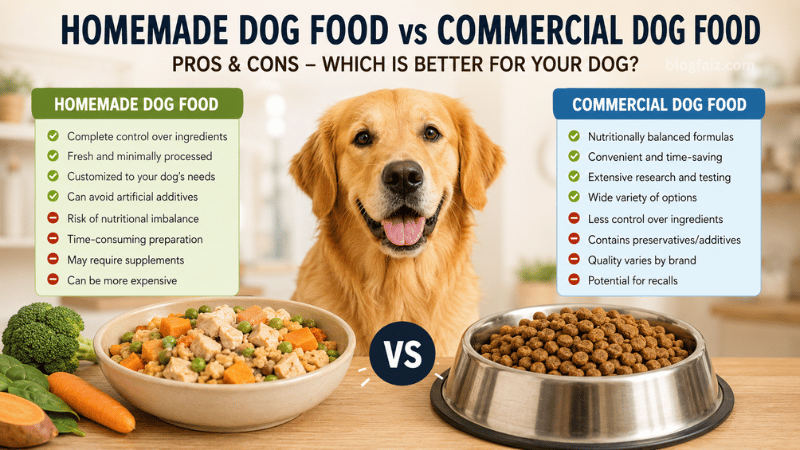
Both commercial and homemade raw diets can be effective when properly balanced. Commercial raw foods offer convenience and are often formulated to meet established nutritional standards. Homemade raw diets provide greater control over ingredients but require careful planning to avoid nutritional imbalances.
What foods are commonly included in a raw diet for pets?
A balanced raw diet may include raw muscle meat, raw edible bones, liver, kidney, heart, fish, eggs, vegetables, fruits, and appropriate supplements. The exact ingredients will depend on the pet's species, age, health condition, and nutritional requirements.
Can a raw diet help pets with food allergies?
In some cases, a raw diet may help pets with food sensitivities or allergies because owners can carefully control the ingredients being fed. Eliminating certain proteins or additives may reduce symptoms such as itching, digestive upset, and skin irritation. A veterinarian can help identify suitable ingredients for pets with allergies.
What are the risks of feeding a raw diet?
Potential risks include bacterial contamination, nutritional deficiencies, choking hazards, digestive blockages, and dental injuries from inappropriate bone selection. Proper food preparation, safe handling practices, and balanced meal planning are essential to minimize these risks.
How do I transition my pet to a raw diet?
The transition should be gradual. Start by mixing small amounts of raw food with your pet's current diet and slowly increase the proportion over several days or weeks. Monitoring your pet's digestion, stool quality, appetite, and energy levels during the transition can help ensure a smooth adjustment.
Is a raw diet suitable for every pet?
Not necessarily. Some pets may thrive on a raw diet, while others may have medical conditions or specific nutritional needs that require a different feeding approach. Factors such as age, activity level, health status, and medical history should be considered before making any dietary changes.
Do pets on a raw diet need supplements?
Some raw diets may require supplements to ensure complete and balanced nutrition. Common supplements can include omega-3 fatty acids, vitamins, minerals, and calcium sources. The need for supplementation depends on the ingredients used and the overall nutritional composition of the diet.
Can indoor cats benefit from a raw diet?
Many indoor cats may benefit from the high protein content and natural moisture found in raw foods. Increased moisture intake can support urinary tract health, while quality protein helps maintain muscle mass. However, the diet must still be balanced and appropriate for the individual cat.
How can I ensure my pet's raw diet is nutritionally balanced?
The best way to ensure nutritional balance is to work with a veterinarian or veterinary nutritionist. They can help formulate a diet that meets your pet's specific nutritional requirements and prevents deficiencies or excesses that could affect long-term health.
References
- Health benefits of raw feeding - Guides | Big Dog Pet Foods - bigdogpetfoods.com
- Raw Food Diet for Dogs: A Comprehensive Guide - colaskitchen.com
Disclaimer: The information shared on InfoMyPet is based on my personal experience in caring for my pets and is provided for general informational and entertainment purposes only.I am sharing my experiences, tips, and observations to help other pet owners, but the information on this blog should not be considered professional veterinary advice, diagnosis, treatment, or a substitute for consultation with a qualified veterinarian.Every pet is different, and what works for my pets may not be suitable for another pet. If your pet is sick, injured, showing unusual symptoms, or requires medical attention, please consult a qualified veterinarian for proper advice and treatment.InfoMyPet and its owner are not responsible for any loss, injury, or other consequences resulting from the use of information shared on this blog.By using this website, you acknowledge and agree that you use the information provided here at your own discretion and risk.


0 Comments