
Homemade Dog Food vs Commercial: Pros & Cons – Which is Better for Your Dog? | Dogs are more than just pets. They are loyal companions, beloved family members, and trusted friends who depend on their owners for proper care and nutrition. One of the most important decisions dog owners face is choosing the right diet for their furry companions. Among the most common debates in canine nutrition is the question of homemade dog food vs commercial dog food. Both options have passionate supporters, and each comes with its own advantages and disadvantages.
The growing awareness of pet health has encouraged many dog owners to pay closer attention to what goes into their dogs’ food bowls. Some owners prefer preparing meals at home because they want complete control over ingredients and quality. Others choose commercial dog food because it offers convenience, balanced nutrition, and scientific formulation.
Understanding the differences between homemade dog food and commercial dog food is essential for making informed decisions about your dog's health. The right choice depends on several factors, including your dog's age, breed, health condition, lifestyle, and your ability to consistently provide balanced nutrition.
In this comprehensive guide, we will explore the advantages and disadvantages of both options to help you determine which feeding approach may be best for your dog.
Table of Contents
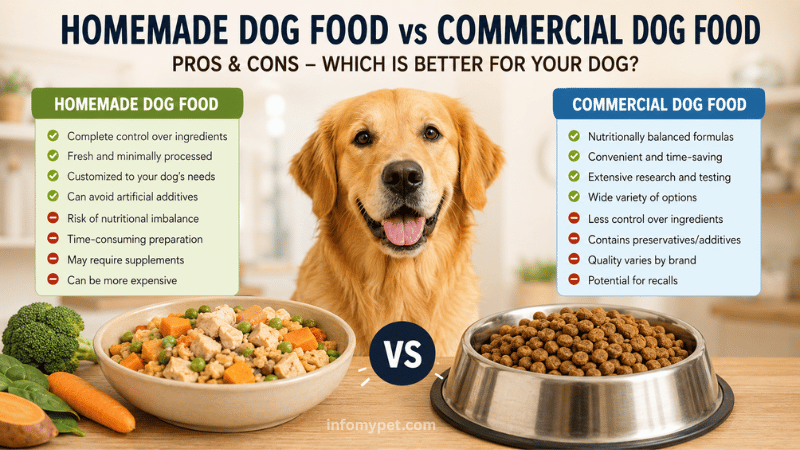
Homemade Dog Food vs Commercial: Pros & Cons – Which is Better for Your Dog?
Understanding Homemade Dog Food
Homemade dog food refers to meals prepared by dog owners using fresh ingredients such as meat, vegetables, fruits, grains, and supplements. These meals are typically cooked at home and customized according to a dog's individual nutritional requirements.
Many pet owners choose homemade diets because they want greater transparency regarding the ingredients their dogs consume. By preparing meals themselves, they can select high-quality proteins, avoid certain additives, and tailor recipes to meet specific health needs.
Homemade diets can vary significantly from one household to another. Some owners create meals based on veterinarian-approved recipes, while others develop their own formulations using available ingredients. The nutritional quality of homemade dog food often depends on the knowledge and preparation methods of the person making it.
Understanding Commercial Dog Food
Commercial dog food refers to professionally manufactured pet food sold in dry kibble, wet canned, freeze-dried, dehydrated, or fresh food formats. These products are formulated by pet nutrition experts and are designed to meet established nutritional standards.
Most reputable commercial dog food brands conduct extensive research and testing to ensure their products provide balanced nutrition for dogs at different life stages. Commercial foods are often categorized according to age, breed size, activity level, and specific health conditions.
Modern commercial dog foods are available in a wide variety of formulations, including grain-free options, limited-ingredient diets, high-protein recipes, weight-management formulas, and therapeutic veterinary diets.
Pros of Homemade Dog Food
Complete Control Over Ingredients
One of the biggest advantages of homemade dog food is the ability to control every ingredient that goes into your dog's meals.
Dog owners can choose fresh meats, vegetables, fruits, and grains while avoiding ingredients they consider undesirable. This level of control can be especially beneficial for dogs with food allergies, sensitivities, or specific dietary restrictions.
Owners also have the flexibility to source organic, locally produced, or premium-quality ingredients according to their preferences and budget.
Ability to Customize Meals
Every dog is unique, and homemade diets offer unparalleled customization.
Owners can adjust recipes based on their dog's age, weight, activity level, and health conditions. Dogs with kidney disease, obesity, digestive issues, or food intolerances may benefit from carefully tailored meal plans developed under veterinary guidance.
Customization allows owners to respond quickly to changing health needs without relying solely on commercially available products.
Fresh and Minimally Processed Ingredients
Many pet owners appreciate the freshness associated with homemade dog food.
Freshly prepared meals often contain ingredients that undergo minimal processing compared to commercial products. Some owners believe this helps preserve natural nutrients and enhances food quality.
Fresh ingredients may also improve palatability, making meals more appealing to picky eaters.
Avoidance of Artificial Additives
Homemade meals generally contain fewer artificial preservatives, colors, and flavor enhancers.
For owners who prefer a more natural feeding approach, homemade diets provide peace of mind by eliminating ingredients they may not want their dogs consuming regularly.
This can be particularly attractive to pet owners who prioritize natural and minimally processed foods in their own diets.
Potential Improvement in Appetite
Many dogs find freshly prepared meals more flavorful and aromatic than dry kibble.
The smell and texture of freshly cooked ingredients can stimulate appetite, especially in senior dogs, recovering patients, or dogs that have become bored with their regular food.
In some cases, improved appetite may lead to better overall food intake and nutritional status.
Cons of Homemade Dog Food
Risk of Nutritional Imbalances
The greatest challenge associated with homemade dog food is achieving complete and balanced nutrition.
Dogs require precise amounts of protein, fat, vitamins, minerals, amino acids, and fatty acids to maintain optimal health. Simply combining meat and vegetables is often insufficient to meet all nutritional requirements.
Nutritional deficiencies or excesses can develop over time and may lead to serious health complications, including skeletal abnormalities, organ dysfunction, and weakened immunity.
Time-Consuming Preparation
Preparing homemade dog food requires considerable time and effort.
Owners must plan recipes, purchase ingredients, cook meals, portion servings, and store food safely. This process can become demanding, especially for households with multiple dogs or busy schedules.
Consistency is also important because dogs depend on regular access to nutritionally balanced meals.
Higher Cost in Some Cases
Depending on ingredient choices, homemade diets can become expensive.
Premium meats, fresh produce, supplements, and specialty ingredients often cost more than commercial dog food. Large-breed dogs with high caloric requirements may further increase food expenses.
Budget considerations should be evaluated before committing to a homemade feeding plan.
Need for Veterinary Guidance
Creating a balanced homemade diet often requires professional assistance.
Veterinary nutritionists can formulate recipes that meet a dog's specific nutritional needs, but these consultations may involve additional costs and ongoing monitoring.
Without expert guidance, well-intentioned owners may inadvertently create nutritional gaps in their dog's diet.
Food Safety Concerns
Improper food handling can increase the risk of bacterial contamination.
Homemade meals require careful preparation, storage, refrigeration, and hygiene practices to prevent spoilage and foodborne illnesses. Raw ingredients, in particular, may pose additional risks if not handled correctly.
Food safety should always remain a priority when preparing homemade diets.
Pros of Commercial Dog Food
Nutritionally Balanced Formulas
One of the most significant advantages of commercial dog food is its nutritional completeness.
Reputable manufacturers formulate products according to established nutritional standards, ensuring dogs receive appropriate levels of essential nutrients.
This reduces the risk of nutritional deficiencies and helps support long-term health and wellness.
Convenience and Time Savings
Commercial dog food offers unmatched convenience.
Owners can simply measure portions and serve meals without spending hours shopping, cooking, and preparing ingredients. This convenience makes commercial food especially attractive for busy households.
Consistent availability and easy storage further contribute to its practicality.
Extensive Research and Testing
Leading pet food companies invest heavily in research and development.
Veterinary nutritionists, animal scientists, and food safety specialists work together to formulate products that support canine health. Many commercial foods undergo feeding trials and quality testing before reaching consumers.
This scientific approach provides reassurance regarding nutritional adequacy and safety.
Specialized Diet Options
Commercial dog food offers a wide range of specialized formulas.
Dogs with obesity, kidney disease, diabetes, allergies, digestive disorders, and other medical conditions can often benefit from targeted nutritional solutions developed specifically for their needs.
Veterinary therapeutic diets can play an important role in managing chronic health conditions.
Consistent Nutritional Content
Commercial products are manufactured under controlled conditions, resulting in consistent nutrient levels from batch to batch.
This consistency helps owners maintain stable feeding routines and reduces uncertainty regarding nutritional intake.
Reliable nutrient composition is particularly important for dogs with medical conditions requiring careful dietary management.
Cons of Commercial Dog Food
Less Control Over Ingredients
When feeding commercial dog food, owners must trust manufacturers to select and source ingredients responsibly.
Although ingredient lists are provided, consumers have limited control over sourcing practices, processing methods, and ingredient quality.
Some owners may feel uncomfortable relying entirely on commercial formulations.
Processing May Reduce Freshness
Many commercial foods undergo significant processing to ensure safety, shelf stability, and convenience.
While processing helps preserve products, some owners believe it may reduce certain nutritional qualities compared to freshly prepared foods.
This concern often motivates pet owners to explore homemade alternatives.
Potential Use of Additives
Some commercial products contain preservatives, flavor enhancers, or coloring agents.
Although approved additives are generally considered safe, certain pet owners prefer avoiding these ingredients whenever possible.
Reading labels carefully can help identify products with simpler ingredient profiles.
Variable Quality Between Brands
Not all commercial dog foods are created equal.
The quality of ingredients, manufacturing standards, and nutritional formulations can vary considerably between brands. Choosing low-quality products may compromise nutritional value and overall health outcomes.
Researching brands and consulting veterinarians can help identify reputable options.
Product Recalls
Occasionally, commercial pet foods are subject to recalls due to contamination or manufacturing issues.
While reputable companies implement strict quality control measures, recalls can still occur. Staying informed about product safety announcements is an important responsibility for pet owners.
Homemade Dog Food vs Commercial: Side-by-Side Comparison
| Factor | Homemade Dog Food | Commercial Dog Food |
|---|---|---|
| Ingredient Control | Excellent | Limited |
| Convenience | Low | High |
| Nutritional Balance | Variable | Generally Consistent |
| Customization | Excellent | Moderate |
| Cost | Variable to High | Variable |
| Preparation Time | High | Minimal |
| Food Safety Management | Owner Responsibility | Manufacturer Responsibility |
| Veterinary Support Needed | Often Required | Less Frequently Required |
| Consistency | Variable | High |
| Availability | Depends on Preparation | Widely Available |
Which Dogs May Benefit from Homemade Diets?
Homemade diets may be beneficial for certain dogs when properly formulated.
Dogs with multiple food allergies, complex dietary restrictions, or specific ingredient sensitivities sometimes benefit from customized home-prepared meals. Some owners also prefer homemade diets for dogs recovering from illness or surgery under veterinary supervision.
However, homemade diets should ideally be developed with guidance from a board-certified veterinary nutritionist to ensure nutritional adequacy.
Which Dogs May Benefit from Commercial Diets?
Commercial diets are suitable for the vast majority of healthy dogs.
Puppies, adult dogs, senior dogs, and dogs with many common health conditions can thrive on high-quality commercial foods that meet established nutritional standards.
For many owners, commercial diets provide the safest and most practical way to ensure complete and balanced nutrition over the long term.
Can You Combine Homemade and Commercial Food?
Yes, many dog owners successfully combine homemade and commercial feeding approaches.
For example, a nutritionally balanced commercial diet can serve as the primary food source while small amounts of homemade ingredients are added as toppers or supplements.
This hybrid approach allows owners to enjoy some benefits of fresh ingredients while maintaining the nutritional reliability of commercial food.
However, it is important to ensure that added foods do not disrupt overall nutritional balance or contribute excessive calories.
Tips for Choosing the Best Option
Before deciding between homemade and commercial food, consider the following factors:
- Consult your veterinarian regarding your dog's specific nutritional needs.
- Evaluate your available time for meal preparation.
- Consider your budget and long-term sustainability.
- Assess your understanding of canine nutrition.
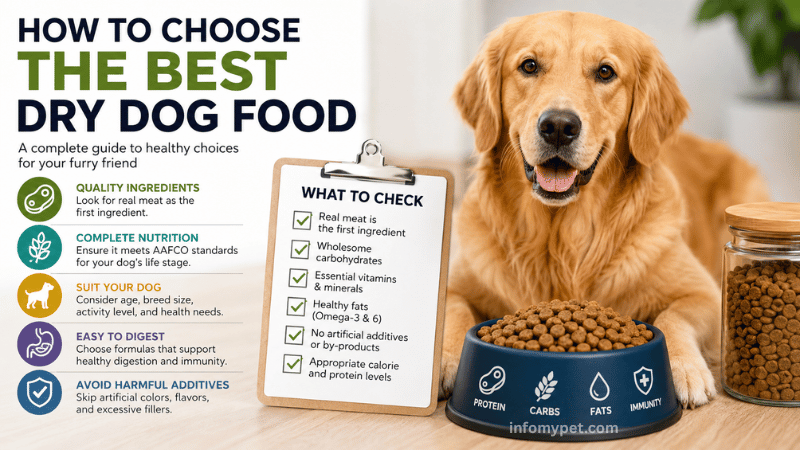
- Choose high-quality ingredients or reputable commercial brands.
- Monitor your dog's weight, coat condition, energy level, and overall health regularly.
- Make dietary changes gradually to minimize digestive upset.
The best feeding strategy is one that provides complete nutrition consistently while fitting your lifestyle and your dog's individual needs.
Conclusion
The debate surrounding homemade dog food vs commercial dog food does not have a universal answer because every dog is different. Homemade diets offer ingredient control, customization, and freshness, but they require significant knowledge, preparation, and attention to nutritional balance. Commercial dog foods provide convenience, consistency, scientific formulation, and balanced nutrition, making them an excellent choice for most dogs.
Rather than focusing on which option is universally superior, dog owners should focus on selecting a feeding approach that meets their dog's nutritional requirements safely and consistently. Whether you choose homemade meals, commercial food, or a combination of both, the ultimate goal should always be supporting your dog's long-term health, happiness, and quality of life through proper nutrition.
Frequently Asked Questions (FAQ) About Homemade Dog Food vs Commercial
Is homemade dog food healthier than commercial dog food?
Not necessarily. Homemade dog food can be very healthy when it is properly formulated and balanced to meet a dog's nutritional requirements. However, many homemade diets lack essential nutrients if they are not developed with veterinary guidance. High-quality commercial dog foods are designed to provide complete and balanced nutrition, making them a healthy choice for most dogs.
Can dogs live on homemade food alone?
Yes, dogs can live on homemade food alone if the diet provides all the necessary nutrients they need. The key is ensuring the meals contain the correct balance of protein, fats, carbohydrates, vitamins, and minerals. Consulting a veterinarian or veterinary nutritionist is strongly recommended before feeding a fully homemade diet long-term.
What are the biggest risks of feeding homemade dog food?
The biggest risk is nutritional imbalance. Dogs require specific nutrients in precise amounts, and deficiencies or excesses can lead to serious health problems over time. Other risks include food contamination, improper storage, and inconsistent meal preparation.
Is commercial dog food safe for dogs?
Yes, reputable commercial dog food brands are generally safe and are formulated according to established nutritional standards. Many manufacturers conduct extensive quality control testing and research to ensure their products provide balanced nutrition and meet safety requirements.
Can I mix homemade dog food with commercial dog food?
Yes, many dog owners successfully combine homemade meals with commercial dog food. This approach can add variety and fresh ingredients while maintaining the nutritional balance provided by commercial diets. However, it is important to ensure the combined diet does not exceed your dog's caloric needs or create nutritional imbalances.
Which is more affordable: homemade dog food or commercial dog food?
The cost depends on the ingredients used and the size of your dog. Homemade dog food can be more expensive when premium meats, fresh vegetables, and supplements are included. Commercial dog food is often more cost-effective, especially when feeding large dogs or multiple pets.
Are fresh ingredients better than kibble?
Fresh ingredients can provide excellent nutrition and may be more appealing to some dogs. However, freshness alone does not guarantee nutritional completeness. A well-formulated commercial kibble can be nutritionally superior to an unbalanced homemade diet. The overall quality and balance of the diet are more important than whether the food is fresh or processed.
How do I know if my dog's current diet is working?
Signs of a healthy diet include a shiny coat, healthy skin, consistent energy levels, good muscle condition, normal digestion, healthy body weight, and regular bowel movements. Regular veterinary checkups can also help assess whether your dog's nutritional needs are being met.
Do veterinarians recommend homemade dog food?
Many veterinarians support homemade diets when they are properly balanced and developed with professional guidance. However, most veterinarians caution against feeding homemade meals that have not been reviewed by a veterinary nutritionist because of the risk of nutritional deficiencies.
What should I look for in a commercial dog food?
Look for a reputable brand that provides complete and balanced nutrition for your dog's life stage. Check for high-quality protein sources, appropriate ingredient lists, clear feeding guidelines, and evidence of quality control and nutritional research. Your veterinarian can also recommend products based on your dog's specific needs.
Is homemade dog food better for dogs with allergies?
In some cases, yes. Homemade diets allow owners to eliminate specific ingredients that may trigger allergic reactions. This can be particularly useful for dogs with multiple food sensitivities. However, any elimination diet should be conducted under veterinary supervision to ensure nutritional adequacy.
Which option is best for most dogs: homemade or commercial?
For most healthy dogs, a high-quality commercial dog food is the most practical and reliable option because it offers complete nutrition, consistency, and convenience. Homemade diets can also be excellent when carefully formulated, but they require more time, effort, and nutritional expertise to maintain safely over the long term.
References
- Homemade vs. Commercial Pet Food: Pros and Cons - naturesprotection.eu
- Homemade vs. commercial dog foods? - reddit.com
Disclaimer: The information shared on InfoMyPet is based on my personal experience in caring for my pets and is provided for general informational and entertainment purposes only.I am sharing my experiences, tips, and observations to help other pet owners, but the information on this blog should not be considered professional veterinary advice, diagnosis, treatment, or a substitute for consultation with a qualified veterinarian.Every pet is different, and what works for my pets may not be suitable for another pet. If your pet is sick, injured, showing unusual symptoms, or requires medical attention, please consult a qualified veterinarian for proper advice and treatment.InfoMyPet and its owner are not responsible for any loss, injury, or other consequences resulting from the use of information shared on this blog.By using this website, you acknowledge and agree that you use the information provided here at your own discretion and risk.


0 Comments