
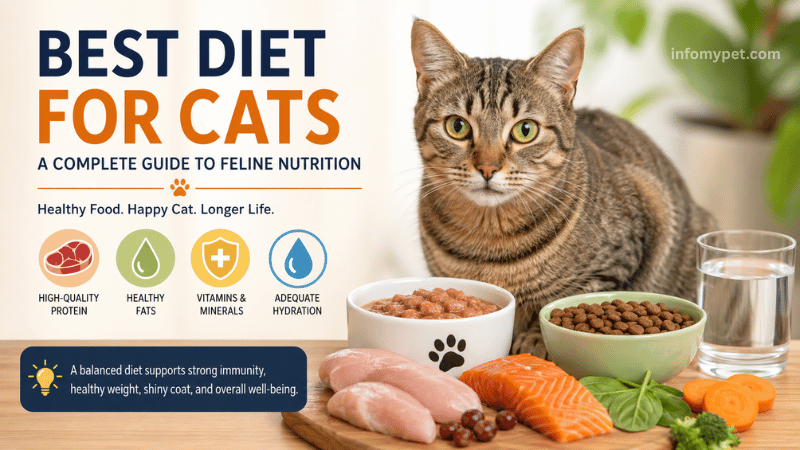
Best Diet for Cats: A Complete Guide to Feline Nutrition | Cats are among the most beloved pets in the world, and providing them with proper nutrition is one of the most important responsibilities of any cat owner. A healthy diet directly affects a cat’s growth, energy levels, immune system, weight, coat condition, and overall quality of life. Unfortunately, many cat owners are uncertain about what constitutes the best diet for cats, especially with the overwhelming variety of commercial foods, homemade diets, and nutritional advice available today.
Understanding feline nutrition is essential because cats have unique dietary requirements that differ significantly from those of dogs and humans. As obligate carnivores, cats rely heavily on nutrients derived from animal-based proteins and fats. Feeding an inappropriate diet can lead to nutritional deficiencies, obesity, digestive disorders, and various long-term health complications.
This comprehensive guide explores everything cat owners need to know about feline nutrition, including essential nutrients, recommended food types, feeding guidelines, common dietary mistakes, and how to choose the best diet for cats at every stage of life.
Table of Contents
Best Diet for Cats: A Complete Guide to Feline Nutrition
Understanding the Natural Diet of Cats
To understand the best diet for cats, it is important to examine their biological and evolutionary background. Domestic cats share many nutritional characteristics with their wild ancestors. In nature, cats primarily hunt small prey such as rodents, birds, and insects.
These prey animals provide a diet that is naturally rich in protein, moderate in fat, and very low in carbohydrates. Unlike humans and some other animals, cats have evolved to obtain most of their nutritional requirements from animal tissues.
Because of this evolutionary adaptation, cats require nutrients that are found naturally in meat, including taurine, arachidonic acid, vitamin A, and certain amino acids. Their digestive systems are specifically designed to process animal proteins efficiently rather than large amounts of plant-based ingredients.
A diet that closely reflects these biological needs is generally considered the most appropriate for maintaining long-term feline health.
Why Proper Nutrition Matters for Cats
Nutrition influences virtually every aspect of a cat’s health. Feeding a balanced diet supports healthy growth during kittenhood, maintains muscle mass during adulthood, and helps prevent age-related health problems in senior cats.
A nutritionally complete diet can help:
- Support a strong immune system
- Maintain healthy skin and a shiny coat
- Promote proper digestion
- Strengthen bones and teeth
- Maintain healthy body weight
- Support heart health
- Improve energy levels
- Reduce the risk of certain diseases
Poor nutrition, on the other hand, may contribute to obesity, diabetes, urinary tract problems, digestive disorders, and nutritional deficiencies.
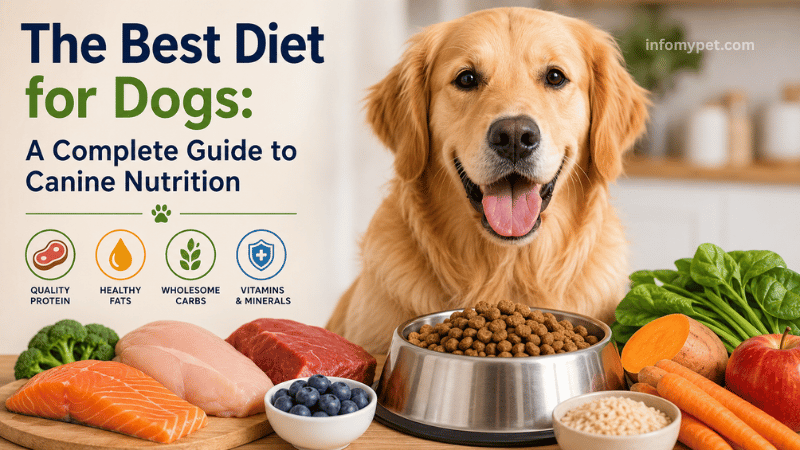
Essential Nutrients in the Best Diet for Cats
Protein
Protein is the most important component of a cat's diet. Cats require significantly higher levels of dietary protein than dogs or humans because protein provides essential amino acids necessary for various bodily functions.
High-quality animal proteins support:
- Muscle development
- Tissue repair
- Immune function
- Hormone production
- Enzyme activity
Excellent protein sources include:
- Chicken
- Turkey
- Beef
- Lamb
- Fish
- Duck
- Rabbit
When selecting cat food, animal protein should ideally be listed among the first ingredients.
Taurine
Taurine is an essential amino acid that cats cannot produce in sufficient quantities on their own. Unlike many other animals, cats must obtain taurine directly from their diet.
A deficiency in taurine can lead to serious health problems, including:
- Heart disease
- Vision loss
- Reproductive issues
- Poor immune function
Animal tissues naturally contain taurine, making meat-based diets crucial for feline health.
Fat
Dietary fat serves as a concentrated source of energy and provides essential fatty acids necessary for numerous physiological functions.
Benefits of healthy fats include:
- Healthy skin and coat
- Brain development
- Energy production
- Nutrient absorption
- Cellular health
Sources of beneficial fats include fish oil, chicken fat, salmon oil, and animal-based fats.
Vitamins
Cats require a wide range of vitamins to maintain optimal health.
Important vitamins include:
- Vitamin A for vision and immune health
- Vitamin D for bone development
- Vitamin E for antioxidant protection
- B vitamins for metabolism and nervous system function
Commercially prepared cat foods typically contain these vitamins in appropriate amounts.
Minerals
Minerals play essential roles in bone health, nerve function, muscle contraction, and fluid balance.
Important minerals include:
- Calcium
- Phosphorus
- Potassium
- Magnesium
- Zinc
- Iron
Maintaining the proper balance of minerals is particularly important for urinary tract health.
Water
Water is often overlooked but remains one of the most critical nutrients for cats.
Many cats naturally have a low thirst drive because their ancestors obtained moisture from prey. As a result, cats may not drink enough water if fed exclusively dry food.
Adequate hydration helps:
- Support kidney function
- Promote urinary tract health
- Improve digestion
- Regulate body temperature
Providing fresh water daily and incorporating wet food into the diet can significantly improve hydration.
Wet Food vs Dry Food: Which Is Better?
One of the most common questions regarding the best diet for cats is whether wet food or dry food is superior.
Wet Food
Wet cat food contains significantly higher moisture levels, typically ranging from 70% to 80%.
Advantages of wet food include:
| Benefit | Description |
|---|---|
| Better Hydration | Helps increase daily water intake |
| Urinary Health | Supports healthy urinary function |
| High Protein Content | Often contains more animal protein |
| Enhanced Palatability | Many cats find wet food more appealing |
| Weight Management | Can help control calorie intake |
Dry Food
Dry food usually contains about 10% moisture and offers several practical advantages.
Advantages of dry food include:
| Benefit | Description |
|---|---|
| Convenience | Easy to store and serve |
| Cost-Effective | Generally less expensive |
| Longer Shelf Life | Remains fresh longer after opening |
| Free Feeding Option | Suitable for some households |
Which Is Best?
Many veterinary nutrition experts recommend a combination of high-quality wet and dry food. This approach provides hydration benefits while maintaining convenience and dietary variety.
Best Diet for Kittens
Kittens have unique nutritional requirements because they experience rapid growth and development during their first year of life.
A kitten's diet should contain:
- Higher protein levels
- Increased calories
- Essential fatty acids
- Balanced calcium and phosphorus
Kitten-specific formulas are specially designed to meet these requirements.
Young kittens generally require multiple small meals throughout the day because of their high energy demands and smaller stomach capacity.
Best Diet for Adult Cats
Adult cats require balanced nutrition that maintains muscle mass while preventing excessive weight gain.
A healthy adult cat diet should emphasize:
- High-quality animal protein
- Moderate fat levels
- Controlled calorie intake
- Essential vitamins and minerals
Portion control becomes particularly important during adulthood because indoor cats often lead less active lifestyles than their wild counterparts.
Best Diet for Senior Cats
As cats age, their nutritional needs may change.
Senior cats often benefit from diets that provide:
- Easily digestible proteins
- Joint-supporting nutrients
- Controlled phosphorus levels
- Additional antioxidants
- Increased moisture content
Regular veterinary checkups become increasingly important because senior cats may develop conditions requiring specialized dietary management.
Grain-Free Diets: Are They Necessary?
Grain-free diets have become increasingly popular among pet owners. However, many people mistakenly assume that grains are inherently harmful to cats.
In reality, many cats can digest properly processed grains without difficulty.
Grain-free diets may be appropriate in cases involving:
- Specific food allergies
- Ingredient sensitivities
- Veterinary recommendations
However, grain-free does not automatically mean healthier. The overall nutritional quality and ingredient balance matter far more than the presence or absence of grains.
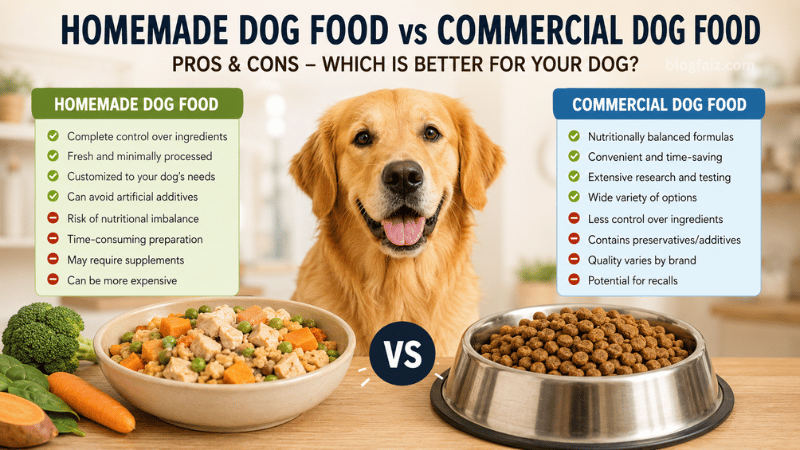
Homemade Cat Diets
Some owners prefer preparing homemade meals for their cats. While this approach offers greater control over ingredients, it also presents significant challenges.
Benefits of homemade diets may include:
- Ingredient transparency
- Customization
- Avoidance of certain additives
However, improperly balanced homemade diets can lead to severe nutritional deficiencies.
Cats require precise amounts of numerous nutrients that are difficult to balance without professional guidance. Therefore, homemade diets should only be formulated under the supervision of a veterinary nutritionist.
Foods Cats Should Never Eat
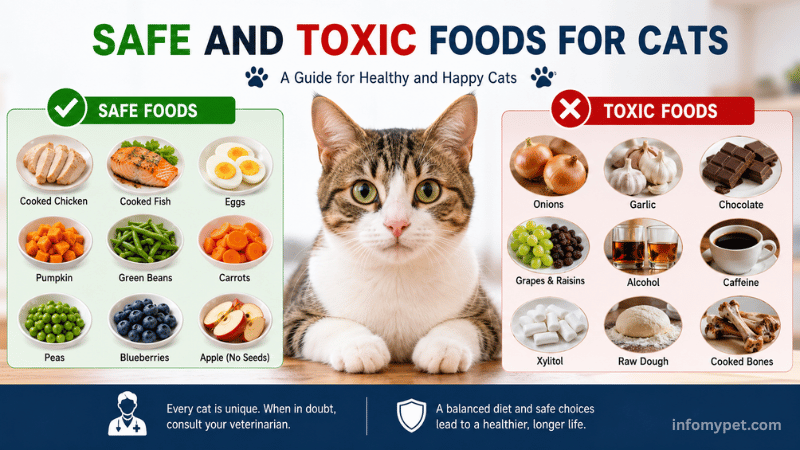
Certain foods can be toxic or dangerous for cats.
Avoid feeding:
- Chocolate
- Onions
- Garlic
- Grapes
- Raisins
- Alcohol
- Caffeine
- Xylitol
- Raw bread dough
- Excessive dairy products
Even small amounts of some toxic foods can cause serious health complications.
Common Feeding Mistakes
Many cat owners unintentionally make dietary mistakes that can affect their pet's health.
Overfeeding
Overfeeding is one of the leading causes of feline obesity.
Excess body weight increases the risk of:
- Diabetes
- Arthritis
- Heart disease
- Reduced lifespan
Excessive Treats
Treats should represent only a small percentage of daily calorie intake.
Too many treats can contribute to weight gain and nutritional imbalance.
Ignoring Portion Guidelines
Feeding recommendations vary based on:
- Age
- Weight
- Activity level
- Health status
Following appropriate portion sizes helps maintain healthy body condition.
Feeding Only One Food Type
Providing dietary variety can help expose cats to different textures and flavors while reducing feeding challenges later in life.
How to Choose the Best Cat Food
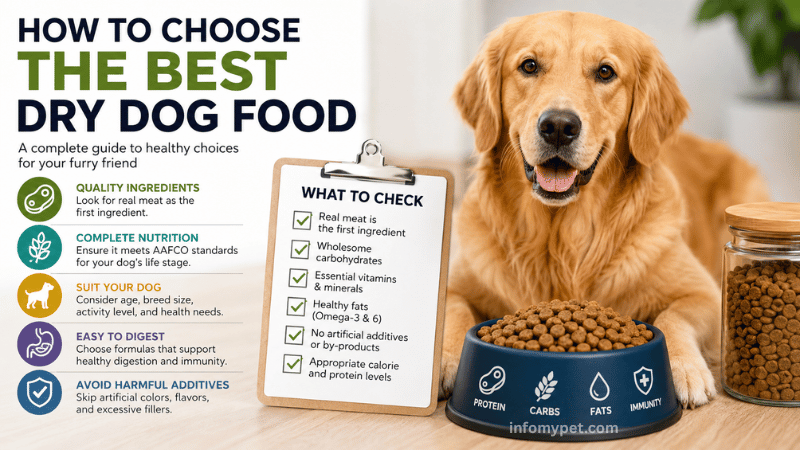
When selecting cat food, consider the following factors:
Check the Ingredient List
Look for identifiable animal proteins near the top of the ingredient list.
Examples include:
- Chicken
- Turkey
- Salmon
- Beef
- Lamb
Look for Complete and Balanced Nutrition
Choose products labeled as complete and balanced according to recognized nutritional standards.
Consider Your Cat's Age
Select formulas specifically designed for:
- Kittens
- Adults
- Seniors
Life-stage nutrition helps ensure appropriate nutrient levels.
Evaluate Special Health Needs
Cats with medical conditions may require specialized diets.
Examples include:
- Kidney disease diets
- Weight management diets
- Urinary health diets
- Sensitive stomach formulas
Always consult a veterinarian before changing to a therapeutic diet.
Sample Daily Feeding Schedule
A consistent feeding routine plays an important role in maintaining a cat’s overall health and well-being. Cats generally thrive when meals are provided at regular times each day, as predictable feeding schedules can help support healthy digestion, prevent overeating, and establish a sense of security. While the exact feeding frequency may vary depending on a cat’s age, activity level, health condition, and individual preferences, many veterinarians recommend dividing daily food intake into multiple smaller meals rather than offering one large meal.
The following sample daily feeding schedule provides a general guideline that cat owners can adapt to meet the specific nutritional needs of their feline companions.
| Time | Meal |
|---|---|
| Morning | Wet food portion |
| Midday | Small dry food serving |
| Evening | Wet food portion |
| Night | Optional small snack if appropriate |
This schedule can be adjusted according to individual needs and veterinary recommendations.
Signs Your Cat Is Receiving Proper Nutrition
A cat receiving optimal nutrition will typically display:
- Healthy body weight
- Lean muscle mass
- Bright eyes
- Shiny coat
- Consistent energy levels
- Healthy digestion
- Normal stool quality
Regular monitoring allows owners to identify potential nutritional issues before they become serious.
Conclusion
Providing the best diet for cats involves understanding their unique biological needs as obligate carnivores and selecting foods that deliver high-quality protein, essential nutrients, healthy fats, and adequate hydration. While numerous feeding options are available, the most effective approach focuses on balanced nutrition rather than marketing trends.
Whether feeding wet food, dry food, or a combination of both, cat owners should prioritize complete and balanced diets appropriate for their cat's age, lifestyle, and health status. Regular veterinary consultations, proper portion control, and attention to ingredient quality can significantly contribute to a cat's long-term well-being.
By making informed nutritional choices, cat owners can help their feline companions enjoy healthier, happier, and longer lives.
Frequently Asked Questions (FAQs)
What is the best diet for cats?
The best diet for cats is a balanced, meat-based diet that provides high-quality animal protein, essential fats, vitamins, minerals, and adequate hydration. Since cats are obligate carnivores, their nutritional needs are best met through foods that contain significant amounts of animal-derived ingredients rather than plant-based proteins.
Is wet food better than dry food for cats?
Wet food offers several advantages, particularly because of its high moisture content, which helps support hydration and urinary tract health. However, dry food can also be part of a healthy diet when it is nutritionally complete and balanced. Many veterinarians recommend feeding a combination of both wet and dry food to provide the benefits of each.
How many times a day should I feed my cat?
Most adult cats do well when fed two to three meals per day. Kittens generally require more frequent meals due to their rapid growth and higher energy needs. Senior cats may also benefit from smaller, more frequent meals depending on their health status and appetite.
Can cats eat a vegetarian or vegan diet?
Cats should not be fed a vegetarian or vegan diet unless it has been specifically formulated and approved by veterinary nutrition experts. Cats require certain nutrients, such as taurine and arachidonic acid, that are naturally found in animal tissues. Deficiencies in these nutrients can lead to serious health problems.
How much protein do cats need?
Cats require a relatively high level of dietary protein compared to many other animals. Protein supports muscle maintenance, tissue repair, immune function, and overall health. High-quality animal protein should be one of the primary components of a cat’s daily diet.
Is grain-free cat food healthier?
Not necessarily. While some cats may benefit from grain-free diets due to specific allergies or sensitivities, grains are not inherently harmful to most cats. The overall quality, nutritional balance, and protein content of the food are generally more important than whether it contains grains.
Can I prepare homemade food for my cat?
Homemade cat food can be an option, but it must be carefully formulated to provide complete and balanced nutrition. Cats have very specific dietary requirements, and improperly prepared homemade diets can lead to nutrient deficiencies. It is recommended to consult a veterinary nutritionist before feeding a homemade diet.
What foods are toxic to cats?
Several common human foods can be toxic to cats, including chocolate, onions, garlic, grapes, raisins, alcohol, caffeine, and products containing xylitol. If a cat consumes any potentially toxic food, immediate veterinary attention should be sought.
How can I tell if my cat is receiving proper nutrition?
Signs of proper nutrition include a healthy body weight, lean muscle mass, a shiny coat, bright eyes, good energy levels, and normal digestion. Regular veterinary checkups can also help confirm that your cat’s nutritional needs are being met.
Should indoor cats eat a different diet than outdoor cats?
Indoor cats are generally less active than outdoor cats and may require fewer calories to maintain a healthy weight. Many pet food manufacturers offer formulas specifically designed for indoor cats, which often contain controlled calorie levels and ingredients that help manage hairballs and weight.
Are treats healthy for cats?
Treats can be a useful training tool and occasional reward, but they should only make up a small portion of a cat’s daily calorie intake. Excessive treats can contribute to obesity and may reduce the intake of nutritionally balanced meals.
Do cats need supplements?
Most cats that eat a complete and balanced commercial diet do not require additional supplements. In some cases, veterinarians may recommend supplements for specific health conditions, but supplements should not be added without professional guidance, as excessive amounts of certain nutrients can be harmful.
How important is water in a cat’s diet?
Water is extremely important for maintaining kidney function, urinary tract health, digestion, and overall well-being. Cats often have a naturally low thirst drive, making access to fresh water and moisture-rich foods especially beneficial.
What is taurine and why do cats need it?
Taurine is an essential amino acid that cats cannot produce in sufficient quantities on their own. It plays a vital role in heart function, vision, reproduction, and immune health. A taurine deficiency can lead to serious medical conditions, making adequate dietary intake essential.
When should I switch my cat to senior cat food?
Most cats can transition to a senior diet around the age of seven to ten years, although the ideal timing varies depending on the cat’s health and lifestyle. A veterinarian can help determine when a senior-specific diet would be most appropriate for your cat.
References
- Feeding Your Cat - vet.cornell.edu
- The best diet for your cat - pdsa.org.uk
Disclaimer: The information shared on InfoMyPet is based on my personal experience in caring for my pets and is provided for general informational and entertainment purposes only.I am sharing my experiences, tips, and observations to help other pet owners, but the information on this blog should not be considered professional veterinary advice, diagnosis, treatment, or a substitute for consultation with a qualified veterinarian.Every pet is different, and what works for my pets may not be suitable for another pet. If your pet is sick, injured, showing unusual symptoms, or requires medical attention, please consult a qualified veterinarian for proper advice and treatment.InfoMyPet and its owner are not responsible for any loss, injury, or other consequences resulting from the use of information shared on this blog.By using this website, you acknowledge and agree that you use the information provided here at your own discretion and risk.


0 Comments