
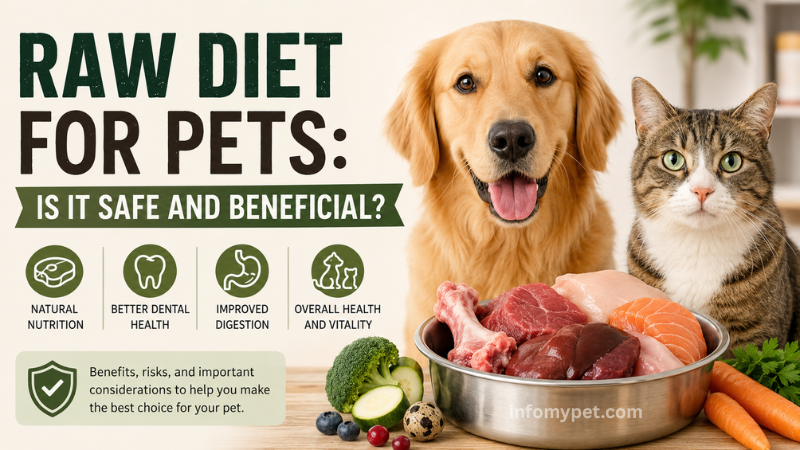
Raw Diet for Pets: Is It Safe and Beneficial? | Pet owners are becoming increasingly conscious about the quality of food they provide to their animals. As awareness of pet nutrition continues to grow, many people are exploring alternatives to traditional commercial pet food. One feeding approach that has gained significant attention in recent years is the raw diet for pets. Supporters of this feeding method argue that it more closely resembles the natural diet of animals and may offer numerous health benefits. However, critics raise concerns about nutritional imbalances, food safety risks, and potential health hazards for both pets and humans.
The debate surrounding raw feeding remains one of the most discussed topics in the pet nutrition community. While some pet owners report remarkable improvements in their pets' health after switching to raw food, veterinary professionals often emphasize the importance of understanding the potential risks before making such a transition.
This article explores what a raw diet for pets is, its potential benefits, possible risks, and important considerations that every pet owner should understand before deciding whether this feeding method is suitable for their beloved companion.
Table of Contents
Raw Diet for Pets: Is It Safe and Beneficial?
What Is a Raw Diet for Pets?
A raw diet for pets refers to a feeding approach that primarily consists of uncooked ingredients. The goal is to provide food that resembles what animals might consume in their natural environment before the development of commercial pet foods.
A typical raw diet may include:
- Raw muscle meat
- Organ meats such as liver and kidneys
- Raw edible bones
- Fish
- Eggs
- Fruits
- Vegetables
- Supplements when necessary
Several raw feeding models exist, including the BARF diet, which stands for "Biologically Appropriate Raw Food" or "Bones and Raw Food." This approach combines raw meats, bones, vegetables, fruits, and nutritional supplements to create a balanced diet.
Another popular model is the Prey Diet, which attempts to mimic the consumption of an entire prey animal by including muscle meat, organs, and bones in specific proportions.
Many pet owners prepare raw meals at home, while others purchase commercially prepared raw pet food products that are frozen, freeze-dried, or dehydrated.
Why Has the Raw Diet Become Popular?
The popularity of the raw diet for pets has grown significantly due to increased interest in natural living and holistic pet care.
Many pet owners are questioning highly processed foods in both human and animal nutrition. This trend has encouraged individuals to seek feeding options that contain fewer artificial ingredients and preservatives.
Social media platforms have also contributed to the growing popularity of raw feeding. Pet owners frequently share before-and-after photos showing improvements in coat quality, body condition, and overall vitality after transitioning their pets to a raw diet.
Additionally, some people believe that domestic dogs and cats should consume foods similar to those eaten by their wild ancestors. This belief has become one of the primary motivations behind the raw feeding movement.
Potential Benefits of a Raw Diet for Pets
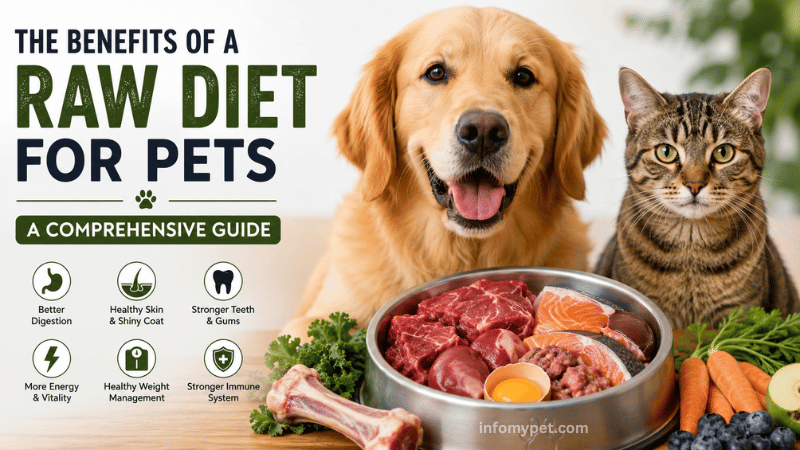
Although scientific research on raw feeding remains limited in some areas, many pet owners and advocates report several potential advantages.
1. Improved Coat and Skin Health
One of the most commonly reported benefits of a raw diet for pets is healthier skin and a shinier coat.
Raw diets often contain higher levels of natural fats and omega fatty acids derived from fresh meat and fish. These nutrients play a critical role in maintaining skin integrity and coat quality.
Many pet owners observe that their pets experience reduced skin dryness, less itching, and improved coat texture after transitioning to a properly balanced raw feeding program.
A healthier coat can also contribute to reduced shedding and an overall more vibrant appearance.
2. Better Dental Health
Dental disease is one of the most common health issues affecting pets.
Supporters of raw feeding argue that chewing raw meaty bones may help reduce plaque and tartar accumulation on teeth. The mechanical action of chewing can assist in cleaning tooth surfaces and stimulating healthy gums.
As a result, some pets on raw diets may exhibit fresher breath and improved oral hygiene compared to animals consuming exclusively soft or processed foods.
However, it is important to note that not all bones are safe, and inappropriate bone selection can lead to dental injuries.
3. Increased Muscle Development
Raw diets are generally rich in high-quality animal protein.
Protein serves as the building block for muscles, tissues, enzymes, and various bodily functions. When a raw diet is formulated correctly, it may support lean muscle maintenance and healthy body composition.
Active dogs, working dogs, and athletic pets may particularly benefit from diets containing adequate levels of animal-based protein.
Proper protein intake also supports recovery from physical activity and contributes to long-term health.
4. Improved Digestive Health
Some pet owners report that their animals experience better digestion after switching to a raw diet.
Raw foods often contain fewer fillers and carbohydrates than certain commercial pet foods. Because of this, pets may produce smaller and firmer stools.
Many advocates believe that the natural enzymes and highly digestible proteins found in raw foods contribute to improved nutrient absorption.
Pets with certain food sensitivities may also experience digestive improvements when problematic ingredients are eliminated from their diet.
5. Greater Appetite and Food Enjoyment
Many pets find raw food highly appealing.
The natural aroma, texture, and taste of fresh meat often encourage stronger enthusiasm during mealtime. This can be particularly beneficial for picky eaters or animals recovering from illness.
A strong appetite can help ensure that pets receive adequate nutrition and maintain a healthy body weight.
Some owners also enjoy the satisfaction of preparing meals tailored to their pet's individual needs and preferences.
Potential Risks of a Raw Diet for Pets
While the potential benefits are appealing, the raw diet for pets is not without risks. Understanding these concerns is essential before making any dietary changes.
1. Bacterial Contamination
One of the most significant concerns associated with raw feeding is bacterial contamination.
Raw meat may contain harmful bacteria such as:
- Salmonella
- E. coli
- Listeria
- Campylobacter
These bacteria can potentially cause illness in pets and may also pose risks to humans who handle the food.
Households with young children, elderly individuals, pregnant women, or people with weakened immune systems should exercise particular caution.
Proper food handling, storage, and sanitation practices are essential when feeding raw diets.
2. Nutritional Imbalances
Creating a nutritionally complete raw diet is more complicated than many people realize.
Pets require precise amounts of:
- Protein
- Fat
- Vitamins
- Minerals
- Essential fatty acids
- Amino acids
An improperly balanced raw diet may lead to deficiencies or excesses that can negatively affect health over time.
For example, inadequate calcium intake may contribute to bone disorders, while excessive vitamin levels may create toxicity issues.
Professional guidance from a qualified veterinary nutritionist can help reduce these risks.
3. Bone-Related Injuries
Although bones are a common component of raw feeding, they can present hazards.
Potential risks include:
| Bone-Related Risk | Possible Consequence |
|---|---|
| Broken teeth | Dental damage requiring treatment |
| Choking | Airway obstruction |
| Intestinal blockage | Digestive emergencies |
| Gastrointestinal injury | Internal irritation or trauma |
Not all bones are suitable for consumption, and supervision is often necessary during feeding sessions.
4. Risk of Parasites
Raw meat can occasionally contain parasites that may affect pets.
While proper freezing and sourcing practices can reduce this risk, it cannot always be completely eliminated.
Pet owners should obtain ingredients from reputable suppliers and follow food safety guidelines to minimize potential exposure.
5. Increased Preparation Time
Preparing raw meals requires considerably more effort than simply opening a bag of kibble.
Owners must carefully source ingredients, portion meals, maintain hygiene standards, and ensure nutritional balance.
For busy households, the additional time commitment may become challenging to sustain over the long term.
Is a Raw Diet Suitable for Dogs?
Dogs are omnivorous animals with a digestive system capable of processing both animal and plant-based foods.
Many dogs adapt well to carefully formulated raw diets. Active and healthy adult dogs often tolerate raw feeding without significant issues when nutritional requirements are properly addressed.
However, individual needs vary considerably based on age, breed, activity level, medical history, and overall health status.
Dogs with chronic illnesses or compromised immune systems may require special dietary considerations that should be discussed with a veterinarian.
Is a Raw Diet Suitable for Cats?
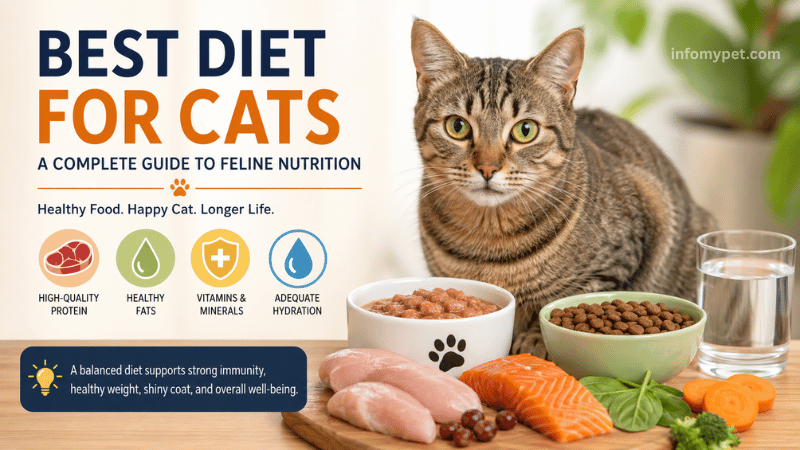
Cats are obligate carnivores, meaning they rely heavily on nutrients found in animal tissues.
In theory, raw feeding aligns closely with the natural dietary habits of wild felines. Cats require nutrients such as taurine, arachidonic acid, and certain vitamins that are naturally present in animal-based ingredients.
However, achieving nutritional balance remains critical.
A poorly formulated raw diet can quickly lead to serious deficiencies in cats because of their highly specialized nutritional requirements.
Cat owners considering raw feeding should work closely with veterinary professionals to ensure complete and balanced nutrition.
How to Transition Pets to a Raw Diet
A sudden dietary change can cause digestive upset.
Pet owners who decide to switch to a raw diet should make the transition gradually.
A typical transition process may involve:
- Introducing small amounts of raw food.
- Mixing raw food with the current diet.
- Gradually increasing the proportion of raw food.
- Monitoring stool quality and digestion.
- Observing appetite and energy levels.
- Adjusting portions as necessary.
The transition period may take several days or several weeks depending on the individual pet.
Patience and careful observation are essential throughout the process.
Tips for Feeding a Raw Diet Safely
Pet owners who choose raw feeding should follow strict safety measures.
1. Purchase Quality Ingredients
Always source meat and other ingredients from reputable suppliers that maintain proper food safety standards.
2. Store Food Correctly
Keep raw foods frozen or refrigerated according to manufacturer recommendations.
Proper storage helps reduce bacterial growth and maintain food quality.
3. Practice Excellent Hygiene
Wash hands thoroughly after handling raw food.
Clean food preparation surfaces, bowls, utensils, and storage containers regularly.
4. Use Balanced Recipes
Avoid relying on random online recipes.
Seek guidance from qualified veterinary nutritionists to ensure nutritional completeness.
5. Schedule Regular Veterinary Checkups
Routine health examinations can help identify potential nutritional deficiencies or health concerns before they become serious.
Regular monitoring supports long-term success when feeding a raw diet.
Raw Diet vs Commercial Pet Food
The decision between raw feeding and commercial pet food depends on multiple factors.
| Factor | Raw Diet | Commercial Pet Food |
|---|---|---|
| Convenience | Lower | Higher |
| Preparation Time | Significant | Minimal |
| Food Safety Risk | Higher | Lower |
| Nutritional Consistency | Depends on formulation | Generally consistent |
| Cost | Often higher | Varies widely |
| Customization | High | Moderate |
Neither option is universally superior for every pet. The best choice depends on individual circumstances, nutritional needs, and the owner's ability to manage the feeding program responsibly.
What Do Veterinarians Say About Raw Diets?
Veterinary opinions regarding raw feeding vary.
Some veterinarians recognize potential benefits when diets are professionally formulated and safely managed. Others remain cautious due to concerns about bacterial contamination and nutritional imbalances.
Many veterinary organizations emphasize the importance of evidence-based nutrition and encourage pet owners to carefully evaluate both benefits and risks.
Regardless of the chosen feeding method, the primary goal should always be providing complete, balanced, and safe nutrition that supports the pet's long-term health.
Conclusion
The raw diet for pets continues to be a highly debated topic among pet owners, veterinarians, and nutrition experts. Supporters often highlight benefits such as improved coat quality, better dental health, increased muscle development, and enhanced digestion. However, these potential advantages must be weighed against significant risks including bacterial contamination, nutritional imbalances, bone-related injuries, and parasite exposure.
A raw diet can be safe and beneficial when it is carefully planned, nutritionally balanced, and managed according to strict food safety practices. However, it is not automatically the best choice for every pet. Factors such as age, health status, lifestyle, and household circumstances should all be considered before making the transition.
Pet owners interested in adopting a raw diet should consult qualified veterinary professionals and veterinary nutritionists to ensure that their pets receive complete and balanced nutrition. Ultimately, the most effective diet is one that promotes long-term health, supports the pet's individual needs, and can be maintained safely and consistently by the owner.
Frequently Asked Questions (FAQ)
What is a raw diet for pets?
A raw diet for pets is a feeding approach that consists primarily of uncooked ingredients such as raw meat, edible bones, organ meats, fish, eggs, fruits, and vegetables. The purpose of this diet is to mimic the natural foods that dogs and cats may have consumed before the development of modern commercial pet food.
Is a raw diet safe for dogs and cats?
A raw diet can be safe when it is properly balanced and prepared according to strict food safety standards. However, there are potential risks associated with raw feeding, including bacterial contamination, nutritional deficiencies, and bone-related injuries. Pet owners should consult a veterinarian or veterinary nutritionist before switching their pets to a raw diet.
What are the benefits of a raw diet for pets?
Some pet owners report improvements in coat quality, skin health, dental hygiene, digestion, energy levels, and muscle condition after switching to a raw diet. However, results can vary depending on the individual pet and the quality of the diet provided.
Can a raw diet help improve my pet's coat?
Many raw diets contain natural sources of healthy fats and omega fatty acids that support skin and coat health. As a result, some pets may develop shinier coats and experience less skin dryness or irritation when fed a properly balanced raw diet.
Does a raw diet improve dental health?
Chewing raw meaty bones may help reduce plaque and tartar buildup by providing a natural cleaning action on the teeth. However, bones must be selected carefully because inappropriate bones can cause broken teeth or other injuries.
Are there risks of bacterial contamination in raw pet food?
Yes. Raw meat can contain harmful bacteria such as Salmonella, E. coli, and Listeria. These bacteria can affect both pets and humans if food is not handled, stored, and prepared correctly. Proper hygiene practices are essential when feeding raw diets.
Can puppies and kittens eat a raw diet?
Puppies and kittens have specific nutritional requirements that are essential for healthy growth and development. While some young animals may be fed a raw diet, the diet must be carefully formulated to ensure it provides all necessary nutrients in the correct amounts.
How do I switch my pet to a raw diet?
The transition should be gradual rather than sudden. Pet owners should slowly introduce raw food while reducing the current diet over a period of several days or weeks. This helps minimize digestive upset and allows the pet to adjust comfortably to the new feeding routine.
Is commercial raw pet food better than homemade raw food?
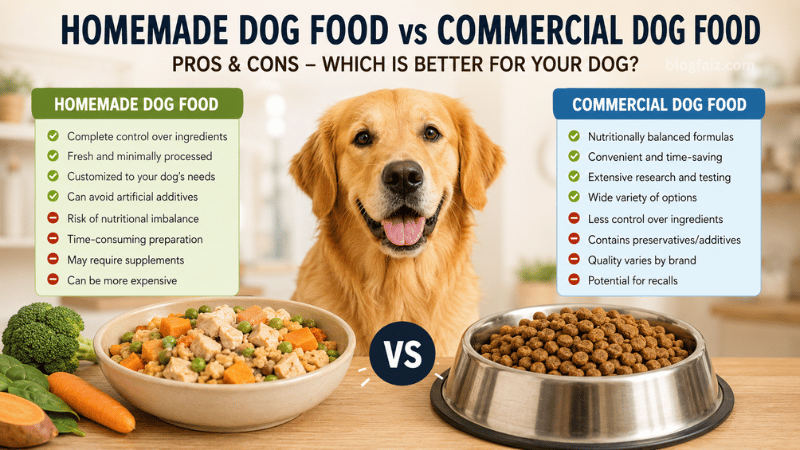
Commercial raw pet food products are often formulated to meet nutritional standards and may offer greater convenience. Homemade raw diets provide more control over ingredients but require careful planning to ensure nutritional balance. Both options can be suitable when managed properly.
References
- One veterinarian's experience with owners who are feeding raw meat to their pets - pmc.ncbi.nlm.nih.gov
- Raw diets for dogs and cats - avma.org
Disclaimer: The information shared on InfoMyPet is based on my personal experience in caring for my pets and is provided for general informational and entertainment purposes only.I am sharing my experiences, tips, and observations to help other pet owners, but the information on this blog should not be considered professional veterinary advice, diagnosis, treatment, or a substitute for consultation with a qualified veterinarian.Every pet is different, and what works for my pets may not be suitable for another pet. If your pet is sick, injured, showing unusual symptoms, or requires medical attention, please consult a qualified veterinarian for proper advice and treatment.InfoMyPet and its owner are not responsible for any loss, injury, or other consequences resulting from the use of information shared on this blog.By using this website, you acknowledge and agree that you use the information provided here at your own discretion and risk.


0 Comments