
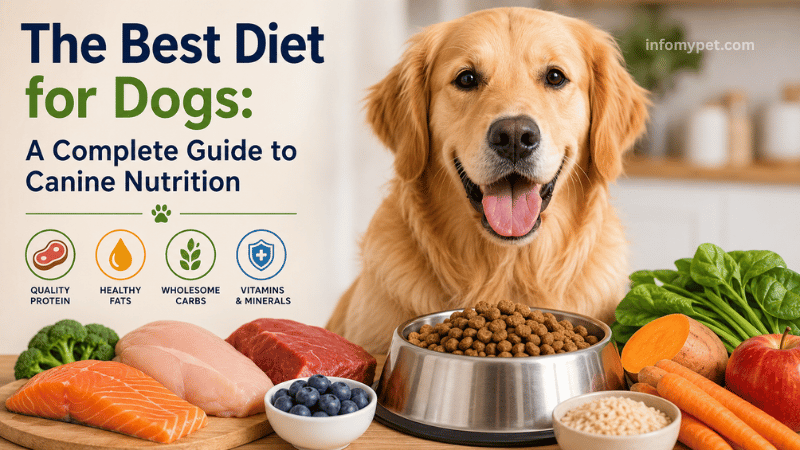
The Best Diet for Dogs: A Complete Guide to Canine Nutrition | Dogs rely entirely on their owners to provide the nutrition they need to maintain good health, strong immunity, and a high quality of life. Just as humans require a balanced diet to support their physical and mental well-being, dogs also need a carefully planned nutritional intake to thrive. Choosing the best diet for dogs is one of the most important responsibilities of every dog owner because nutrition directly affects a dog's growth, energy levels, organ function, coat condition, and lifespan.
With countless dog food brands, feeding methods, and nutritional recommendations available today, many pet owners often feel confused about what truly constitutes the best diet for dogs. Some advocate commercial dry kibble, while others prefer wet food, fresh food, or even raw feeding. The reality is that the ideal canine diet should be based on scientific nutritional principles rather than marketing claims or popular trends.
This comprehensive guide explores everything dog owners need to know about canine nutrition, including essential nutrients, feeding options, dietary requirements by age, foods to avoid, and practical feeding tips that can help dogs live healthier and happier lives.
Table of Contents
The Best Diet for Dogs: A Complete Guide to Canine Nutrition
Understanding Canine Nutrition
Before determining the best diet for dogs, it is important to understand the nutritional requirements of dogs and how their bodies process food.
Dogs are classified as omnivores, which means they can obtain nutrients from both animal and plant-based sources. However, animal protein remains a crucial component of their diet because it provides essential amino acids that support muscle development, tissue repair, immune function, and overall health.
Unlike humans, dogs have different nutritional needs that must be met through carefully balanced meals. A diet that is nutritionally complete and balanced should provide appropriate amounts of protein, fats, carbohydrates, vitamins, minerals, and water.
When these nutrients are supplied in the correct proportions, dogs are more likely to maintain a healthy weight, develop strong muscles, have healthy skin and coats, and reduce their risk of developing nutritional deficiencies and chronic diseases.
Why Proper Nutrition Matters
Nutrition plays a significant role in every stage of a dog's life. Poor dietary choices can contribute to obesity, digestive disorders, skin problems, dental disease, diabetes, heart conditions, and a weakened immune system.
Proper nutrition helps support:
- Healthy growth and development
- Strong bones and joints
- Optimal brain function
- Healthy skin and shiny coat
- Better digestion
- Strong immune defenses
- Healthy body weight
- Longer lifespan
The best diet for dogs is one that consistently meets these nutritional needs while being appropriate for the dog's age, breed, activity level, and health condition.
Essential Nutrients Dogs Need
Protein
Protein is often considered the most important nutrient in a dog's diet. It provides amino acids that are necessary for building and repairing muscles, skin, organs, and tissues.
High-quality protein sources include:
- Chicken
- Turkey
- Beef
- Lamb
- Fish
- Eggs
- Duck
Dogs that receive adequate protein generally have better muscle tone, stronger immunity, and healthier skin and coats.
Puppies, working dogs, and highly active dogs usually require higher protein levels compared to senior dogs or less active pets.
Healthy Fats
Fats serve as a concentrated source of energy and play a crucial role in maintaining healthy skin and coat condition.
Healthy fats provide essential fatty acids, including Omega-3 and Omega-6 fatty acids, which support:
- Brain development
- Joint health
- Skin health
- Coat quality
- Immune function
Excellent sources of healthy fats include:
- Fish oil
- Salmon
- Sardines
- Flaxseed
- Chicken fat
Dogs that consume sufficient healthy fats often have shinier coats and healthier skin.
Carbohydrates
Although dogs do not have a strict dietary requirement for carbohydrates, carbohydrates can provide valuable energy and dietary fiber.
Beneficial carbohydrate sources include:
- Brown rice
- Sweet potatoes
- Oats
- Barley
- Pumpkin
- Peas
Carbohydrates can support digestive health and provide a steady source of energy throughout the day.
Vitamins
Vitamins are essential for numerous bodily functions and help regulate metabolism, immune function, vision, and bone health.
Important vitamins for dogs include:
- Vitamin A
- Vitamin D
- Vitamin E
- Vitamin K
- Vitamin B complex
Most high-quality commercial dog foods are formulated to provide sufficient vitamin levels.
Minerals
Minerals contribute to healthy bones, nerve function, muscle contraction, and metabolic processes.
Important minerals include:
- Calcium
- Phosphorus
- Magnesium
- Potassium
- Zinc
- Iron
Maintaining the correct mineral balance is especially important for growing puppies and large-breed dogs.
Water
Water is often overlooked despite being the most essential nutrient.
Dogs should always have access to clean and fresh drinking water. Proper hydration supports digestion, temperature regulation, circulation, and organ function.
Even mild dehydration can negatively affect a dog's health and performance.
Types of Dog Diets
Dry Dog Food (Kibble)
Dry dog food is one of the most popular feeding options worldwide due to its convenience, affordability, and long shelf life.
Advantages of dry dog food include:
- Easy storage
- Lower cost
- Convenient feeding
- Reduced spoilage
- May help reduce plaque buildup
However, quality varies significantly among brands. Owners should carefully review ingredient labels and choose products containing high-quality protein sources.
Wet Dog Food
Wet dog food contains higher moisture content compared to kibble.
Benefits include:
- Increased hydration
- Enhanced palatability
- Easier chewing for senior dogs
- Strong aroma that appeals to picky eaters
The main disadvantages are higher cost and shorter storage life after opening.
Fresh Dog Food
Fresh dog food has gained popularity in recent years as many pet owners seek less processed feeding options.
Fresh diets often contain:
- Fresh meats
- Vegetables
- Fruits
- Whole-food ingredients
Many fresh food companies formulate meals according to canine nutritional requirements, making them an attractive option for owners seeking premium nutrition.
Raw Diets
Raw feeding typically includes uncooked meat, bones, organs, and selected fruits and vegetables.
Supporters claim that raw diets more closely resemble ancestral canine diets.
Potential benefits may include:
- Improved coat condition
- Smaller stools
- High protein intake
However, raw feeding also carries potential risks such as bacterial contamination, nutritional imbalances, and choking hazards from bones.
Veterinary guidance is strongly recommended before starting a raw diet.
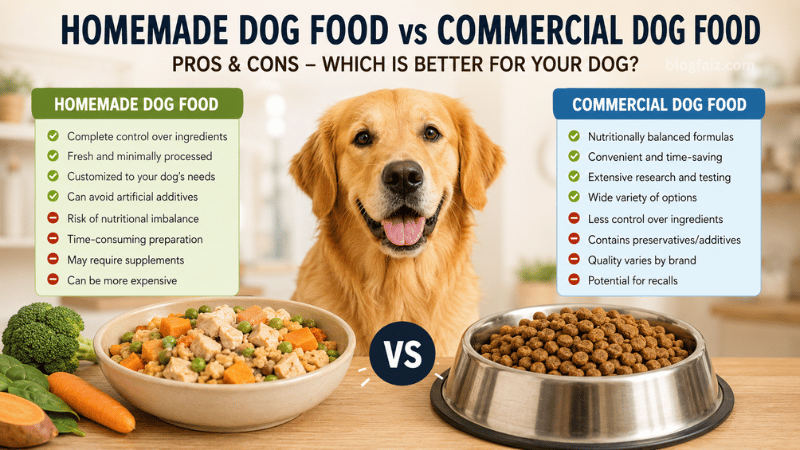
Home-Cooked Diets
Some owners prefer preparing meals for their dogs at home.
Home-cooked diets allow greater control over ingredients but require careful planning to ensure nutritional completeness.
Without proper formulation, homemade diets may lack essential nutrients and lead to deficiencies over time.
Consulting a veterinary nutritionist can help ensure balanced meal preparation.
The Best Diet for Dogs by Life Stage
Puppies
Puppies experience rapid growth and development during their first year of life.
They require:
- Higher protein levels
- Increased calories
- Adequate calcium and phosphorus
- Balanced nutrient ratios
Puppy-specific formulas are designed to support bone development, brain growth, and immune function.
Feeding adult dog food too early may prevent puppies from receiving the nutrients they need for healthy development.
Adult Dogs
Adult dogs require maintenance diets that support their daily activities while helping maintain a healthy body weight.
The best diet for adult dogs should include:
- High-quality protein
- Moderate fat levels
- Balanced carbohydrates
- Essential vitamins and minerals
Calorie intake should match activity level to prevent obesity.
Senior Dogs
As dogs age, their nutritional needs often change.
Senior dogs may benefit from diets containing:
- Moderate calorie levels
- Joint-support ingredients
- Increased fiber
- Easily digestible protein
- Omega-3 fatty acids
Many senior-specific formulas are designed to support aging joints, cognitive function, and healthy weight management.
Choosing the Best Diet for Dogs Based on Size
Small Breeds
Small breeds often have faster metabolisms and higher energy requirements relative to their body size.
Their diets may include:
- Smaller kibble sizes
- Higher calorie density
- Easily digestible ingredients
Medium Breeds
Medium-sized dogs generally require balanced nutrition that supports muscle maintenance and energy needs.
These dogs often thrive on standard adult maintenance diets.
Large and Giant Breeds
Large breeds have unique nutritional requirements because they are more susceptible to joint and skeletal issues.
Their diets should emphasize:
- Controlled calorie intake
- Balanced calcium levels
- Joint-support nutrients
- Lean protein sources
Proper nutrition can help reduce stress on developing bones and joints.
Foods Dogs Should Avoid
Certain foods can be dangerous or toxic to dogs.
Owners should avoid feeding:
- Chocolate
- Grapes
- Raisins
- Onions
- Garlic
- Macadamia nuts
- Xylitol
- Alcohol
- Caffeine
- Cooked bones
These foods can cause serious health complications and may require emergency veterinary treatment.
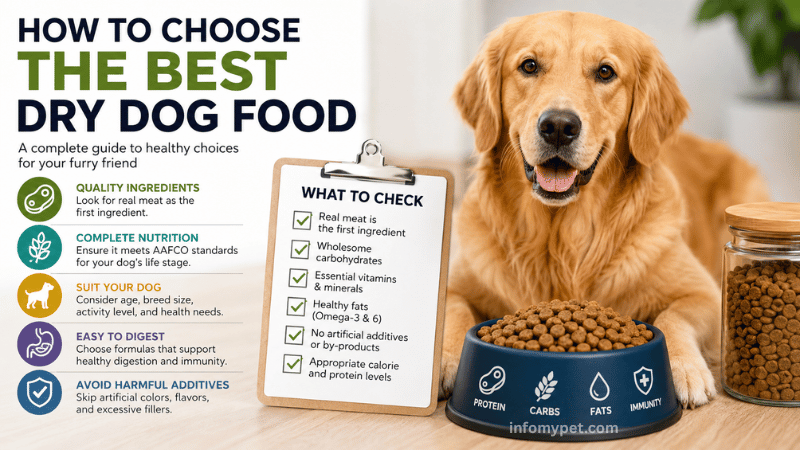
How to Read Dog Food Labels
Understanding dog food labels helps owners make informed decisions.
Look for:
- Named animal proteins as the first ingredient
- Complete and balanced nutritional statements
- Appropriate life-stage designation
- Transparent ingredient lists
Be cautious of products containing excessive fillers, artificial preservatives, and vague meat descriptions.
Quality ingredients are often a strong indicator of nutritional value.
Signs Your Dog Is Eating the Right Diet
A healthy diet often produces visible improvements in overall health and appearance.
Positive signs include:
- Healthy body weight
- Lean muscle condition
- Shiny coat
- Healthy skin
- Good energy levels
- Consistent stool quality
- Strong appetite
- Bright eyes
Dogs displaying these characteristics are more likely receiving adequate nutrition.
Signs of Poor Nutrition
Nutritional deficiencies or poor-quality diets may lead to:
- Weight gain or weight loss
- Dull coat
- Dry skin
- Digestive issues
- Low energy
- Frequent illness
- Poor growth
- Muscle loss
If these symptoms occur, a veterinary evaluation may be necessary.
Feeding Tips for Dog Owners
To maximize nutritional benefits:
- Follow feeding guidelines carefully.
- Measure food portions accurately.
- Avoid excessive treats.
- Provide fresh water daily.
- Maintain consistent feeding schedules.
- Monitor body condition regularly.
- Introduce dietary changes gradually.
- Schedule regular veterinary checkups.
Consistency and portion control are often just as important as food quality.
Common Myths About Dog Nutrition
Myth 1: Grain-Free Diets Are Always Better
Grain-free diets are not automatically healthier. Many dogs digest grains perfectly well and can benefit from nutrient-rich grains such as oats and brown rice.
Myth 2: Dogs Should Eat Like Wolves
Modern domestic dogs have evolved alongside humans and possess different dietary adaptations. Their nutritional needs differ from wild wolves.
Myth 3: More Protein Is Always Better
While protein is essential, excessive amounts may not provide additional benefits and should be balanced with other nutrients.
Myth 4: Homemade Diets Are Automatically Healthier
Homemade diets can be nutritious, but they are not necessarily healthier unless properly balanced and formulated.
Conclusion
Choosing the best diet for dogs involves more than simply selecting the most expensive food available. A truly healthy canine diet should provide complete and balanced nutrition that supports a dog's age, size, activity level, and individual health requirements. High-quality protein, healthy fats, digestible carbohydrates, essential vitamins, minerals, and adequate hydration all play important roles in maintaining optimal health.
Every dog is unique, and what works well for one dog may not be ideal for another. By understanding canine nutritional needs, reading food labels carefully, monitoring body condition, and consulting veterinary professionals when necessary, owners can make informed decisions that contribute to their dog's long-term health and well-being.
Providing the best diet for dogs is one of the most effective ways to help them live longer, healthier, and happier lives while strengthening the bond between pets and their families.
Frequently Asked Questions (FAQs) about the Best Diet for Dogs
What is the best diet for dogs?
The best diet for dogs is a complete and balanced diet that provides high-quality protein, healthy fats, digestible carbohydrates, essential vitamins, minerals, and adequate hydration. The ideal diet may vary depending on the dog's age, breed, size, activity level, and overall health condition.
Is dry dog food or wet dog food better?
Both dry and wet dog food can provide excellent nutrition when they are formulated to meet a dog's dietary requirements. Dry food is generally more affordable and convenient, while wet food contains more moisture and may be more appealing to picky eaters. Many owners choose to combine both options.
How much should I feed my dog each day?
The amount of food a dog needs depends on factors such as age, weight, breed, activity level, and metabolism. It is best to follow the feeding guidelines on the dog food packaging and adjust portions based on your dog's body condition and veterinary recommendations.
Can dogs eat homemade food every day?
Yes, dogs can eat homemade food daily if the meals are properly balanced and contain all the nutrients they need. However, poorly planned homemade diets may lead to nutritional deficiencies. Consulting a veterinarian or veterinary nutritionist is recommended before switching to a homemade diet.
Are grain-free diets better for dogs?
Not necessarily. Most dogs can digest grains such as rice, oats, and barley without any problems. Grain-free diets are usually only necessary for dogs with specific food sensitivities or allergies diagnosed by a veterinarian.
What are the best protein sources for dogs?
Some of the best protein sources for dogs include chicken, turkey, beef, lamb, fish, duck, and eggs. High-quality animal proteins provide essential amino acids that support muscle development, tissue repair, and overall health.
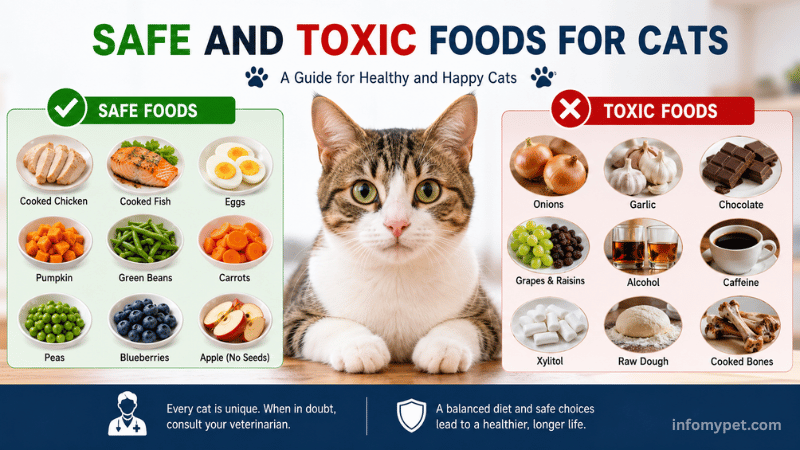
Can dogs eat fruits and vegetables?
Many fruits and vegetables are safe and nutritious for dogs. Examples include carrots, pumpkin, blueberries, apples (without seeds), green beans, and sweet potatoes. However, certain fruits and vegetables, such as grapes, raisins, onions, and garlic, should be avoided because they can be toxic.
How often should I feed my dog?
Adult dogs are typically fed twice a day, while puppies may require three to four smaller meals daily. Senior dogs can usually continue with two meals per day unless a veterinarian recommends a different feeding schedule.
How can I tell if my dog is eating the right diet?
Signs that a dog is receiving proper nutrition include a healthy body weight, good energy levels, a shiny coat, healthy skin, strong muscles, bright eyes, and normal stool consistency. Regular veterinary checkups can also help evaluate dietary adequacy.
What foods are toxic to dogs?
Several human foods can be dangerous for dogs, including chocolate, grapes, raisins, onions, garlic, xylitol, alcohol, caffeine, and macadamia nuts. These foods should never be included in a dog's diet.
Should I give my dog dietary supplements?
Most dogs eating a complete and balanced diet do not require additional supplements. However, some dogs with specific health conditions may benefit from supplements such as fish oil, glucosamine, or probiotics. Always consult a veterinarian before introducing supplements.
When should I change my dog's diet?
A dietary change may be necessary when your dog moves into a new life stage, develops health issues, gains or loses excessive weight, or experiences food sensitivities. Any transition to a new food should be done gradually over seven to ten days to minimize digestive upset.
References
- What Should I Feed My Dog - rspcapetinsurance.org.au
- Dog Nutrition: Guide to Dog Food Nutrients - petmd.com
Disclaimer: The information shared on InfoMyPet is based on my personal experience in caring for my pets and is provided for general informational and entertainment purposes only.I am sharing my experiences, tips, and observations to help other pet owners, but the information on this blog should not be considered professional veterinary advice, diagnosis, treatment, or a substitute for consultation with a qualified veterinarian.Every pet is different, and what works for my pets may not be suitable for another pet. If your pet is sick, injured, showing unusual symptoms, or requires medical attention, please consult a qualified veterinarian for proper advice and treatment.InfoMyPet and its owner are not responsible for any loss, injury, or other consequences resulting from the use of information shared on this blog.By using this website, you acknowledge and agree that you use the information provided here at your own discretion and risk.


0 Comments