
Pets are beloved members of the family, and their health and safety are just as important as those of any human family member. Unfortunately, emergencies can happen at any time and often occur without warning. A pet may suddenly become injured, choke on a foreign object, suffer from poisoning, experience a seizure, or develop a serious medical condition that requires immediate attention.
Knowing the basics of pet first aid can make a significant difference during these critical moments. While first aid is not a substitute for professional veterinary care, it can help stabilize a pet, prevent a condition from worsening, and potentially save a life before veterinary treatment is available.
Many pet owners panic when faced with an emergency because they are unsure what actions to take. Understanding the correct steps in advance allows owners to respond calmly and effectively when every second counts. This guide explains the essential principles of pet first aid, common emergencies, and the actions pet owners should take to protect their animals during a crisis.
Table of Contents
Pet First Aid: What to Do in an Emergency
What Is Pet First Aid?
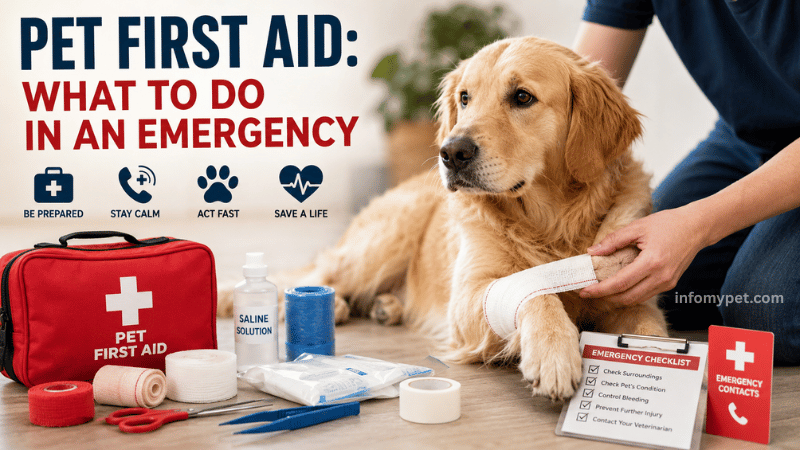
Pet first aid refers to the immediate care provided to an injured or ill animal before professional veterinary assistance becomes available. The purpose of pet first aid is not to cure the underlying condition but to reduce suffering, prevent further injury, and increase the chances of a successful recovery.
Just as first aid is important for humans, pets also benefit from rapid intervention during emergencies. Whether dealing with cuts, burns, fractures, choking incidents, poisoning, or heatstroke, proper first aid techniques can help stabilize a pet until a veterinarian can provide comprehensive treatment.
Learning pet first aid also helps owners become more confident and prepared, reducing panic and allowing them to make better decisions during stressful situations.
Why Every Pet Owner Should Learn Pet First Aid
Many emergency situations become more serious because owners do not recognize the warning signs early enough. Having pet first aid knowledge provides several important benefits.
Faster Emergency Response
When a pet is injured or suddenly becomes ill, immediate action can be crucial. Owners who understand basic first aid procedures can respond quickly rather than losing valuable time trying to determine what to do.
Reduced Risk of Complications
Prompt first aid can prevent an injury or illness from worsening. For example, controlling bleeding quickly can reduce blood loss and improve the pet's chances of recovery.
Improved Safety During Transport
A frightened or injured pet may react unpredictably. First aid knowledge helps owners safely move and transport their animals to a veterinary clinic while minimizing additional injuries.
Greater Peace of Mind
Knowing how to handle emergencies provides reassurance and confidence. Pet owners can feel more prepared to protect their companions when unexpected situations arise.
Essential Items for a Pet First Aid Kit
Every pet owner should keep a dedicated pet first aid kit at home and consider carrying a smaller version when traveling.
The following items are commonly recommended:
| Item | Purpose |
|---|---|
| Sterile gauze pads | Cover wounds and control bleeding |
| Adhesive tape | Secure bandages |
| Non-stick bandages | Protect injuries |
| Antiseptic solution | Clean wounds |
| Digital thermometer | Monitor body temperature |
| Tweezers | Remove splinters or debris |
| Scissors | Cut bandages or fur |
| Disposable gloves | Maintain hygiene |
| Saline solution | Flush eyes and wounds |
| Emergency blanket | Provide warmth |
| Muzzle | Prevent accidental bites |
| Flashlight | Assist during nighttime emergencies |
| Pet medical records | Provide important information to veterinarians |
| Emergency contact numbers | Quick access to veterinary assistance |
Regularly inspect the kit to ensure supplies remain clean, functional, and within expiration dates.
Assessing the Situation Before Providing First Aid
Before attempting any treatment, it is important to assess the environment and the pet's condition.
Ensure Personal Safety
An injured or frightened animal may bite, scratch, or become aggressive, even if normally gentle. Approach slowly and calmly while avoiding sudden movements.
Evaluate Breathing
Observe whether the pet is breathing normally. Look for chest movement and listen for airflow from the nose and mouth.
Check Responsiveness
Call the pet's name and observe reactions. A responsive pet may blink, move, or respond to touch.
Examine for Visible Injuries
Look for bleeding, swelling, fractures, burns, or other signs of trauma.
Contact a Veterinarian
Even when first aid appears successful, professional veterinary evaluation is often necessary to identify hidden injuries or complications.
What to Do If Your Pet Is Choking
Choking is one of the most frightening emergencies a pet owner can encounter. Common choking hazards include toys, bones, food items, and household objects.
Signs of Choking
Common symptoms include:
- Difficulty breathing
- Excessive drooling
- Pawing at the mouth
- Gagging
- Panic or distress
- Blue or pale gums
First Aid Steps
Carefully open the pet's mouth if it is safe to do so. Look for visible objects and remove them only if they can be reached easily.
Avoid blindly reaching into the throat because doing so may push the object deeper.
If the pet continues choking, seek immediate veterinary care. Some situations may require specialized procedures to remove the obstruction safely.
How to Handle Bleeding
Bleeding can result from cuts, bites, accidents, or trauma.
Minor Bleeding
Clean the wound gently using saline solution or clean water. Apply sterile gauze and light pressure until bleeding stops.
Severe Bleeding
Apply firm pressure directly to the wound using a clean cloth or gauze pad.
Do not repeatedly lift the dressing to check the wound because this may disrupt clot formation.
Continue applying pressure while arranging immediate veterinary transport.
Internal Bleeding Warning Signs
Internal bleeding may not be visible externally. Watch for:
- Weakness
- Pale gums
- Rapid breathing
- Collapse
- Distended abdomen
These symptoms require emergency veterinary treatment.
Pet First Aid for Broken Bones
Fractures can occur from falls, vehicle accidents, or traumatic injuries.
Signs of a Fracture
Common indicators include:
- Limping
- Swelling
- Visible deformity
- Pain when touched
- Inability to bear weight
What Owners Should Do
Keep the pet as still as possible. Restrict movement and avoid manipulating the injured limb.
Improper handling may worsen the fracture and cause additional tissue damage.
Transport the pet carefully using a board, blanket, or sturdy carrier whenever possible.
What to Do During a Seizure
Witnessing a seizure can be extremely distressing for pet owners.
Common Seizure Symptoms
Signs may include:
- Muscle twitching
- Uncontrolled movements
- Drooling
- Loss of consciousness
- Paddling motions
Appropriate First Aid
Move nearby objects away to prevent injury.
Do not place your hands near the pet's mouth. Contrary to popular myths, pets cannot swallow their tongues during seizures.
Record the duration of the seizure and any unusual behaviors. This information can help veterinarians determine possible causes.
If a seizure lasts several minutes or multiple seizures occur close together, seek emergency veterinary care immediately.
Responding to Poisoning Emergencies
Poisoning is one of the most common pet emergencies.
Common Household Toxins
Examples include:
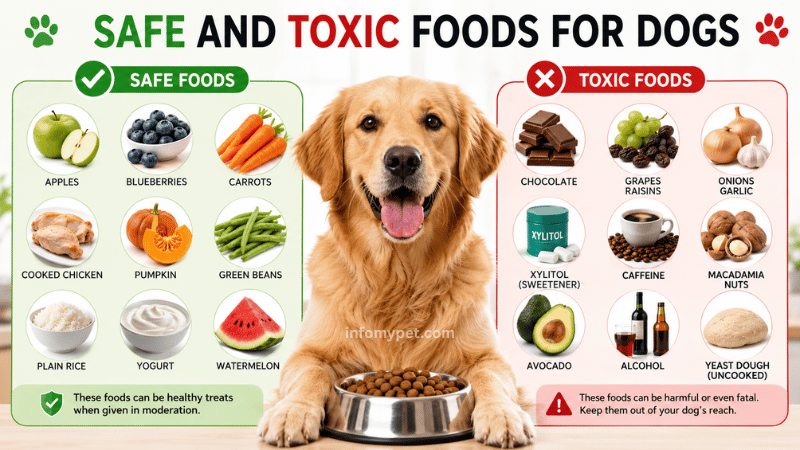
- Chocolate
- Xylitol
- Certain medications
- Cleaning products
- Rodenticides
- Toxic plants
- Antifreeze
Signs of Poisoning
Symptoms vary but may include:
- Vomiting
- Diarrhea
- Excessive drooling
- Tremors
- Seizures
- Difficulty breathing
Immediate Actions
Remove access to the toxin immediately.
Contact a veterinarian as soon as possible and provide information about the suspected substance.
Do not induce vomiting unless specifically instructed by a veterinary professional because some substances can cause additional damage when regurgitated.
Pet First Aid for Heatstroke
Heatstroke is a potentially life-threatening emergency, particularly during hot weather.
Symptoms of Heatstroke
Common warning signs include:
- Excessive panting
- Bright red gums
- Weakness
- Vomiting
- Collapse
- Elevated body temperature
First Aid Measures
Move the pet to a cooler location immediately.
Offer small amounts of cool water.
Apply cool, damp towels to the neck, chest, and body.
Avoid using ice-cold water because sudden temperature changes may worsen the condition.
Even if the pet appears to recover, veterinary examination remains necessary.
Managing Burns
Pets can suffer burns from hot surfaces, chemicals, electrical sources, or fires.
Minor Burns
Cool the affected area with cool running water for several minutes.
Avoid applying creams, butter, oils, or home remedies unless directed by a veterinarian.
Serious Burns
Cover the area loosely with a clean cloth and seek emergency veterinary care.
Large burns often require professional treatment to prevent infection and manage pain effectively.
What to Do If a Pet Stops Breathing
A pet that stops breathing requires immediate emergency action.
Check Airway and Breathing
Ensure the airway is clear and observe for chest movement.
Rescue Breathing
If trained in pet CPR and rescue breathing, follow appropriate procedures while arranging emergency veterinary transport.
Seek Immediate Veterinary Assistance
Pets experiencing respiratory arrest require professional medical intervention as quickly as possible.
Recognizing Signs That Require Immediate Veterinary Care
Certain symptoms indicate a serious emergency that should never be ignored.
Emergency Warning Signs
| Symptom | Urgency Level |
|---|---|
| Difficulty breathing | Immediate |
| Uncontrolled bleeding | Immediate |
| Seizures lasting several minutes | Immediate |
| Collapse | Immediate |
| Severe trauma | Immediate |
| Suspected poisoning | Immediate |
| Heatstroke symptoms | Immediate |
| Loss of consciousness | Immediate |
| Bloated abdomen | Immediate |
| Persistent vomiting with weakness | Immediate |
Whenever these symptoms occur, veterinary assistance should be sought without delay.
Preventing Pet Emergencies
Prevention remains one of the most effective ways to protect pets from harm.
Pet-Proof the Home
Remove hazardous items from areas accessible to pets.
Store medications, cleaning products, chemicals, and toxic foods securely.
Provide Safe Toys
Choose toys appropriate for the pet's size and chewing habits to reduce choking risks.
Regular Veterinary Visits
Routine health examinations can identify medical problems before they become emergencies.
Monitor Outdoor Activities
Supervise pets around roads, bodies of water, and unfamiliar environments.
Maintain Identification
Microchips and identification tags improve the likelihood of recovering lost pets quickly and safely.
Staying Calm During a Pet Emergency
Remaining calm is one of the most important aspects of pet first aid. Pets often react to their owner's emotions, and panic can make situations more difficult to manage.
Take a deep breath, assess the situation carefully, and focus on immediate priorities such as breathing, bleeding control, and safe transportation. Following a structured approach helps improve outcomes and reduces the risk of mistakes.
Preparation, knowledge, and quick action are the foundations of effective emergency response.
Conclusion
Understanding pet first aid is an essential responsibility for every pet owner. Emergencies can happen unexpectedly, and the actions taken during the first few minutes may significantly influence the outcome. Whether dealing with choking, poisoning, bleeding, fractures, heatstroke, or seizures, knowing how to respond appropriately can help stabilize a pet and potentially save its life.
Although first aid provides valuable temporary care, professional veterinary treatment remains crucial in most emergencies. By learning basic pet first aid skills, maintaining a well-stocked first aid kit, and recognizing signs that require urgent medical attention, pet owners can provide safer and more effective care for their beloved companions when they need it most.
FAQs About Pet First Aid
What is pet first aid?
Pet first aid refers to the immediate care given to a pet that is injured or experiencing a medical emergency before professional veterinary treatment is available. The goal is to stabilize the animal, reduce pain and suffering, and prevent the condition from becoming worse until a veterinarian can take over.
Why is pet first aid important?
Pet first aid is important because emergencies can happen without warning. Knowing how to respond quickly can help save a pet's life, reduce the severity of injuries, and improve the chances of a successful recovery. It also allows pet owners to stay calm and take appropriate action during stressful situations.
What should be included in a pet first aid kit?
A pet first aid kit should contain essential supplies such as sterile gauze pads, adhesive tape, non-stick bandages, antiseptic solution, saline solution, scissors, tweezers, disposable gloves, a digital thermometer, an emergency blanket, a flashlight, and emergency veterinary contact information.
Can I use human first aid supplies on my pet?
Many basic first aid supplies used for humans can also be used for pets, including gauze, bandages, and saline solution. However, certain medications and treatments designed for humans may be harmful to animals. Always consult a veterinarian before giving any medication to your pet.
What should I do if my pet is choking?
If your pet is choking, carefully check its mouth for any visible obstruction that can be safely removed. Do not blindly reach into the throat, as this may push the object deeper. If your pet continues to struggle to breathe, seek emergency veterinary care immediately.
How do I stop bleeding in my pet?
Apply firm pressure to the wound using a clean cloth or sterile gauze. Maintain pressure continuously for several minutes without repeatedly lifting the dressing. If the bleeding is severe or does not stop, transport your pet to a veterinarian as soon as possible.
What are the signs of heatstroke in pets?
Common signs of heatstroke include excessive panting, drooling, bright red gums, weakness, vomiting, rapid breathing, confusion, and collapse. Heatstroke is a medical emergency that requires immediate cooling measures and veterinary attention.
What should I do if my pet has a seizure?
Move nearby objects away to prevent injury and keep the environment quiet. Do not place your hands near your pet's mouth. Monitor the duration of the seizure and contact a veterinarian immediately, especially if the seizure lasts several minutes or occurs repeatedly.
How can I tell if my pet has been poisoned?
Signs of poisoning may include vomiting, diarrhea, excessive drooling, tremors, seizures, weakness, difficulty breathing, and unusual behavior. If poisoning is suspected, contact a veterinarian immediately and provide details about the substance involved if known.
Should I induce vomiting if my pet eats something toxic?
Do not induce vomiting unless specifically instructed by a veterinarian or animal poison expert. Some substances can cause more damage when vomited, making the situation more dangerous.
How often should I check my pet first aid kit?
You should inspect your pet first aid kit every few months. Replace expired items, restock used supplies, and ensure emergency contact information remains current and accessible.
Can pet first aid replace veterinary treatment?
No. Pet first aid is intended only as temporary emergency care. Even if your pet appears to recover after receiving first aid, a veterinary examination is often necessary to identify underlying injuries or health issues that may not be immediately visible.
What are the most common pet emergencies?
Some of the most common pet emergencies include choking, poisoning, heatstroke, severe bleeding, fractures, burns, seizures, allergic reactions, breathing difficulties, and traumatic injuries caused by accidents.
When should I take my pet to an emergency veterinarian?
You should seek emergency veterinary care if your pet has difficulty breathing, uncontrolled bleeding, severe trauma, loss of consciousness, seizures lasting several minutes, suspected poisoning, heatstroke symptoms, collapse, or any other life-threatening condition.
How can I prepare for a pet emergency before it happens?
Preparation includes learning basic pet first aid skills, keeping a well-stocked first aid kit, saving emergency veterinary contact numbers, attending pet first aid training if available, and pet-proofing your home to reduce common risks and hazards.
References
- First aid tips for pet owners - avma.org
- First Aid for pets - pdsa.org.uk
Disclaimer: The information shared on InfoMyPet is based on my personal experience in caring for my pets and is provided for general informational and entertainment purposes only.I am sharing my experiences, tips, and observations to help other pet owners, but the information on this blog should not be considered professional veterinary advice, diagnosis, treatment, or a substitute for consultation with a qualified veterinarian.Every pet is different, and what works for my pets may not be suitable for another pet. If your pet is sick, injured, showing unusual symptoms, or requires medical attention, please consult a qualified veterinarian for proper advice and treatment.InfoMyPet and its owner are not responsible for any loss, injury, or other consequences resulting from the use of information shared on this blog.By using this website, you acknowledge and agree that you use the information provided here at your own discretion and risk.






0 Comments