
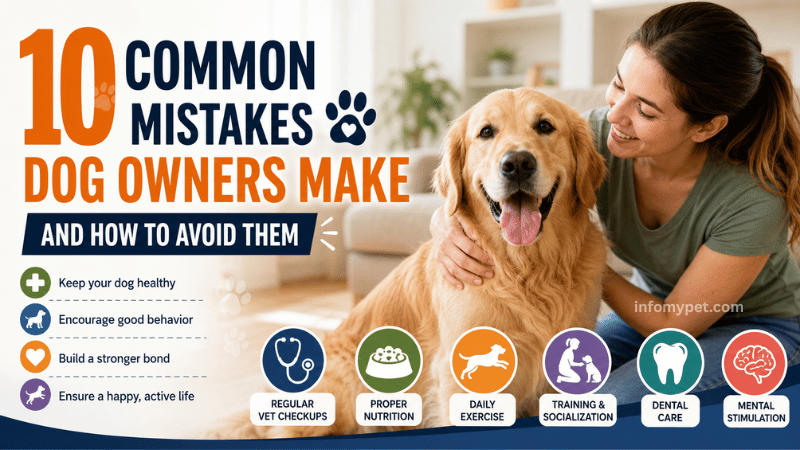
10 Common Mistakes Dog Owners Make and How to Avoid Them | Dogs are among the most loyal, affectionate, and intelligent companions a person can have. They provide emotional support, companionship, protection, and countless joyful moments throughout their lives. However, owning a dog involves much more than simply providing food and shelter. Responsible dog ownership requires knowledge, commitment, patience, and a willingness to meet a dog's physical, emotional, and social needs.
Unfortunately, many dog owners make mistakes without realizing the potential impact these actions can have on their pets. Even well-intentioned owners may unknowingly develop habits that affect their dog's health, behavior, and overall quality of life. Understanding the common mistakes dog owners make can help prevent problems before they become serious and contribute to a happier and healthier relationship between owners and their canine companions.
In this article, we will explore the 10 most common mistakes dog owners make and provide practical advice on how to avoid them.
Table of Contents
10 Common Mistakes Dog Owners Make and How to Avoid Them
Why Understanding Common Mistakes Dog Owners Make Matters
Dogs rely entirely on their owners for care, guidance, and protection. Unlike humans, dogs cannot communicate their needs verbally. As a result, many health and behavioral problems arise when owners misunderstand or overlook important aspects of canine care.
Learning about the common mistakes dog owners make allows owners to:
- Improve their dog's physical health.
- Prevent behavioral issues.
- Strengthen the human-dog bond.
- Reduce veterinary expenses.
- Increase their dog's lifespan.
- Create a safer environment for both pets and family members.
Awareness and education are the foundations of responsible dog ownership.
1. Skipping Regular Veterinary Checkups
One of the most common mistakes dog owners make is only visiting the veterinarian when their dog appears sick or injured.
Many health conditions develop gradually and may not show obvious symptoms during the early stages. Diseases such as diabetes, kidney disease, heart problems, dental infections, and arthritis can progress silently before becoming serious.
Routine veterinary examinations allow professionals to detect potential issues before they become major health concerns. Preventive care often leads to better treatment outcomes and lower medical costs.
How to Avoid This Mistake
- Schedule annual wellness exams for adult dogs.
- Take senior dogs for checkups every six months.
- Keep vaccinations up to date.
- Follow recommended parasite prevention programs.
- Discuss any unusual changes in behavior, appetite, or activity levels with your veterinarian.
Regular veterinary visits play a crucial role in maintaining long-term health and wellness.
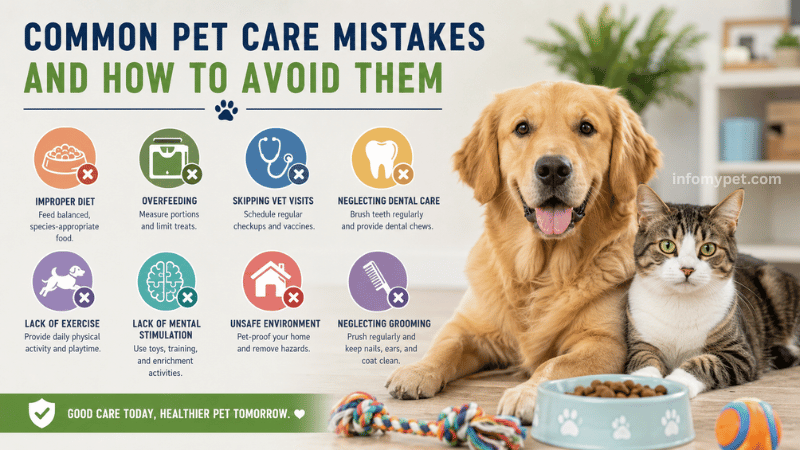
2. Overfeeding and Poor Portion Control
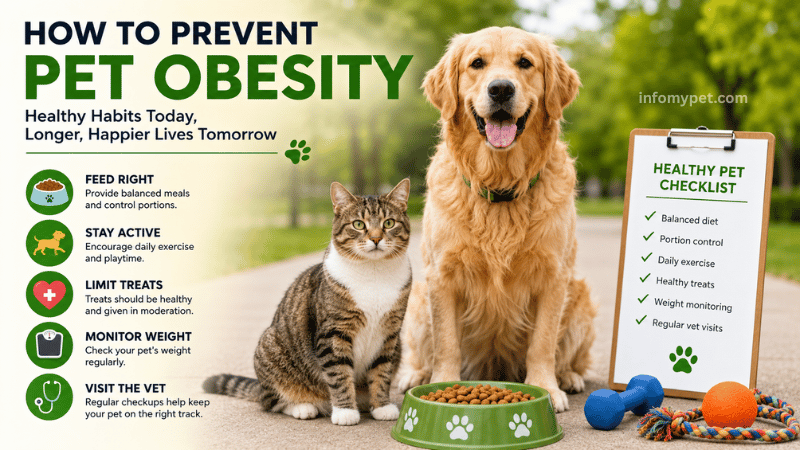
Obesity is a growing problem among dogs worldwide. Many owners express love through food and treats, often giving their dogs more calories than necessary.
Excess weight places additional stress on a dog's joints, heart, lungs, and internal organs. Obesity can increase the risk of several health conditions, including diabetes, arthritis, high blood pressure, and reduced mobility.
Some owners also rely on feeding recommendations without considering their dog's age, breed, activity level, and health condition.
How to Avoid This Mistake
- Measure food portions accurately.
- Follow veterinary recommendations for daily calorie intake.
- Limit treats to no more than 10% of daily calories.
- Monitor your dog's body condition regularly.
- Adjust feeding amounts based on activity levels.
Maintaining a healthy weight is one of the most important factors in supporting a long and active life.
3. Neglecting Proper Exercise
Dogs need regular physical activity to remain healthy and mentally stimulated. One of the common mistakes dog owners make is assuming that a backyard alone provides sufficient exercise.
Different breeds have different energy requirements. High-energy breeds such as Border Collies, Australian Shepherds, and Labrador Retrievers often require significant daily exercise to stay balanced and content.
Insufficient exercise can lead to:
- Obesity.
- Anxiety.
- Destructive behavior.
- Excessive barking.
- Hyperactivity.
- Frustration and boredom.
How to Avoid This Mistake
- Provide daily walks.
- Engage in active play sessions.
- Use interactive toys.
- Explore hiking or jogging opportunities when appropriate.
- Adjust exercise routines based on age and breed characteristics.
A physically active dog is generally happier, healthier, and easier to manage.
4. Lack of Socialization During Puppyhood
Proper socialization is essential for developing a confident and well-adjusted dog. Many owners either delay socialization or avoid exposing their puppies to new experiences due to concerns about safety.
Without adequate socialization, dogs may become fearful or reactive when encountering unfamiliar people, animals, sounds, or environments.
Behavioral issues that stem from poor socialization can be difficult to correct later in life.
How to Avoid This Mistake
- Introduce puppies to various environments safely.
- Allow positive interactions with different people.
- Expose them to common household sounds.
- Arrange controlled meetings with vaccinated dogs.
- Enroll in puppy socialization classes.
Positive experiences during early development help create emotionally stable adult dogs.
5. Inconsistent Training and Rules
Dogs thrive when expectations are clear and consistent. One of the common mistakes dog owners make is sending mixed messages during training.
For example, allowing a dog on the couch one day and scolding them for the same behavior the next day creates confusion. Similarly, different family members may enforce different rules.
Inconsistency can slow learning and contribute to behavioral problems.
How to Avoid This Mistake
- Establish household rules early.
- Ensure all family members follow the same guidelines.
- Use consistent commands.
- Reward desired behaviors immediately.
- Practice training regularly.
Consistency helps dogs understand expectations and promotes faster learning.
6. Relying on Punishment Instead of Positive Reinforcement
Some owners believe punishment is the fastest way to correct unwanted behaviors. However, harsh corrections often create fear, anxiety, and distrust.
Dogs learn more effectively when rewarded for desired behaviors rather than punished for mistakes.
Punishment-based methods may increase aggression, stress, and behavioral issues in some dogs.
How to Avoid This Mistake
- Reward good behavior with treats, praise, or toys.
- Redirect unwanted behavior appropriately.
- Focus on teaching alternatives.
- Use patience and repetition.
- Seek professional training assistance if necessary.
Positive reinforcement strengthens trust and encourages dogs to repeat desirable behaviors.
7. Ignoring Dental Care
Dental health is frequently overlooked by dog owners. Unfortunately, dental disease is one of the most common medical conditions affecting dogs.
Plaque and tartar accumulation can lead to gum disease, tooth loss, bad breath, and serious infections that may spread to other organs.
Many owners only notice dental problems when their dog shows signs of pain or difficulty eating.
How to Avoid This Mistake
- Brush your dog's teeth regularly.
- Use veterinarian-approved dental products.
- Schedule professional dental cleanings when recommended.
- Monitor for signs of oral discomfort.
- Provide appropriate dental chews.
Good dental care contributes to overall health and comfort.
8. Leaving Dogs Alone for Excessive Periods
Dogs are social animals that generally enjoy companionship and interaction. One of the common mistakes dog owners make is leaving their dogs alone for extended periods without adequate mental stimulation.
Loneliness and boredom can lead to:
- Separation anxiety.
- Excessive barking.
- Destructive chewing.
- Depression.
- House-soiling issues.
Some dogs may develop severe behavioral challenges if left isolated regularly.
How to Avoid This Mistake
- Spend quality time with your dog daily.
- Provide interactive toys and puzzles.
- Consider dog daycare services when appropriate.
- Arrange visits from trusted pet sitters.
- Create enriching environments.
Balancing independence with companionship helps support emotional well-being.
9. Failing to Provide Mental Stimulation
Many owners focus exclusively on physical exercise while overlooking mental enrichment.
Dogs are intelligent animals that benefit from problem-solving activities, learning opportunities, and environmental exploration. Without mental stimulation, even physically active dogs may become bored and frustrated.
Mental enrichment can significantly improve overall behavior and quality of life.
How to Avoid This Mistake
- Rotate toys regularly.
- Teach new commands and tricks.
- Use food puzzles.
- Introduce scent games.
- Practice obedience training sessions.
Mental challenges help satisfy a dog's natural instincts and reduce boredom-related behaviors.
10. Choosing a Dog Based Solely on Appearance
One of the most common mistakes dog owners make occurs before they even bring a dog home.
Many people select a breed because of its appearance without researching its temperament, energy level, grooming requirements, or health considerations.
A dog that looks attractive may not be suitable for a particular lifestyle. For example, highly energetic working breeds often struggle in households that cannot provide sufficient exercise and stimulation.
How to Avoid This Mistake
- Research breeds thoroughly.
- Consider your lifestyle honestly.
- Evaluate grooming needs.
- Assess exercise requirements.
- Meet dogs before making a decision.
- Consult breeders, rescue organizations, or veterinarians.
Choosing a dog that matches your lifestyle increases the likelihood of a successful and rewarding relationship.
Summary of Common Mistakes Dog Owners Make
| Mistake | Potential Consequences | Prevention |
|---|---|---|
| Skipping vet visits | Undetected illnesses | Regular wellness exams |
| Overfeeding | Obesity and disease | Portion control |
| Lack of exercise | Behavioral problems | Daily physical activity |
| Poor socialization | Fear and aggression | Early positive exposure |
| Inconsistent training | Confusion and disobedience | Consistent rules |
| Excessive punishment | Anxiety and fear | Positive reinforcement |
| Ignoring dental care | Dental disease | Regular oral hygiene |
| Leaving dogs alone too long | Separation anxiety | Adequate companionship |
| Lack of mental stimulation | Boredom and destruction | Enrichment activities |
| Choosing based on appearance | Lifestyle mismatch | Careful research |
Signs That Your Dog May Be Affected by These Mistakes
Certain warning signs may indicate that a dog is not receiving appropriate care or stimulation.
Watch for:
- Excessive weight gain.
- Persistent bad breath.
- Destructive chewing.
- Excessive barking.
- Fearfulness around people.
- Aggressive behavior.
- Lethargy.
- Anxiety when left alone.
- Lack of interest in activities.
- Difficulty following commands.
Recognizing these signs early allows owners to address problems before they worsen.
Building Better Habits as a Dog Owner
Responsible dog ownership is a continuous learning process. Every dog has unique needs based on age, breed, personality, and health status.
Successful owners prioritize preventive healthcare, proper nutrition, regular exercise, consistent training, socialization, and mental enrichment. They remain attentive to changes in their dog's behavior and seek professional guidance when necessary.
Small improvements in daily routines can produce significant long-term benefits for both dogs and their families.
Conclusion
Understanding the common mistakes dog owners make is an important step toward becoming a more responsible and informed pet owner. While mistakes are inevitable, recognizing and correcting them can dramatically improve a dog's physical health, emotional well-being, and overall quality of life.
By scheduling regular veterinary visits, maintaining proper nutrition, providing adequate exercise, encouraging socialization, using positive training methods, and meeting both physical and mental needs, owners can help their dogs thrive throughout every stage of life.
A well-cared-for dog is not only healthier and happier but also more likely to develop a strong, trusting bond with the people who care for them. Taking the time to avoid these common mistakes dog owners make can lead to many years of companionship, loyalty, and joy.
Frequently Asked Questions (FAQ)
How soon should I start training my new puppy?
You should start training your puppy as soon as you bring it home, ideally at 8 weeks old. Basic commands like “sit,” “stay,” and potty training should begin immediately. Socialization should also start early to help your puppy adapt to different people, animals, and environments.
Can I train my dog without using treats?
Yes, but positive reinforcement (such as treats, praise, or toys) is one of the most effective ways to train a dog. If you don’t want to use food treats all the time, you can reward your dog with verbal praise, petting, or playtime.
How much exercise does my dog need?
The amount of exercise depends on your dog’s age, breed, and energy level:
- Small, low-energy breeds (example: Pugs, Bulldogs): 30 minutes daily
- Medium-energy breeds (example: Beagles, Cocker Spaniels): 1 hour daily
- High-energy breeds (example: Border Collies, Huskies): 1.5–2 hours daily
Mental stimulation, such as puzzle toys or obedience training, is also essential, in addition to physical exercise.
What are the signs that my dog is overweight?
Common signs of an overweight dog include:
- Difficulty feeling their ribs under fat layers
- A lack of a visible waist when viewed from above
- Decreased energy levels or difficulty walking
- Heavy breathing even after light activity
If you suspect your dog is overweight, consult your vet to adjust their diet and exercise routine.
How often should I take my dog to the vet?
- Puppies: Every 3–4 weeks for vaccinations and checkups
- Adult dogs: At least once a year for general health screenings
- Senior dogs (7+ years): Every 6 months for early detection of age-related issues
Regular vet visits help detect illnesses early and maintain your dog's optimal health.
What are the dangers of feeding my dog human food?
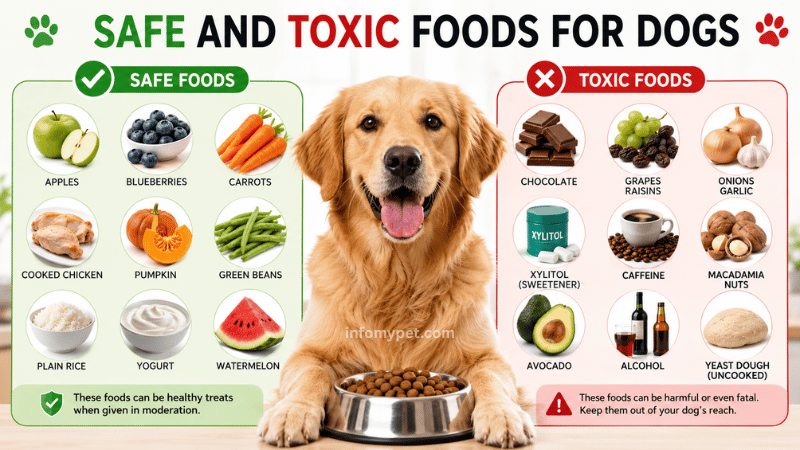
Some human foods are safe for dogs, but many can be toxic to them. Avoid giving your dog chocolate, onions, garlic, grapes, raisins, alcohol, and any products containing xylitol, a common sweetener in sugar-free products. Safe treats include carrots, blueberries, plain cooked chicken, and peanut butter (xylitol-free).
Is it too late to train an older dog?
No, it’s never too late! Older dogs can learn new behaviors, although it may take more time and patience than it does with a puppy. Positive reinforcement, consistency, and patience are key when training older dogs.
How can I prevent my dog from developing destructive behaviors?
Destructive behaviors, such as chewing, digging, and excessive barking, are often caused by boredom, anxiety, or a lack of exercise.
To prevent this:
- Ensure your dog gets enough physical activity and mental stimulation
- Provide interactive toys and puzzles
- Establish a consistent routine
- Use crate training or confinement when unsupervised to prevent destructive habits
Consider consulting a professional dog trainer or a certified animal behaviorist if destructive behavior persists.
How can I keep my dog safe if they get lost?
- Ensure they wear a collar with an updated ID tag containing your phone number
- Microchip your dog and keep your contact details current
- Use a GPS tracking collar if your dog is prone to escaping
- Train recall commands ("come" or "stay") to prevent them from running off
Proper identification significantly increases the chances of recovering a lost dog.
What should I do if my dog shows signs of illness?
If your dog exhibits symptoms like:
- Loss of appetite
- Lethargy or weakness
- Vomiting or diarrhea lasting more than 24 hours
- Difficulty breathing
- Sudden behavior changes
Take them to the vet immediately. Early medical intervention can prevent serious health complications.
How can I prevent my dog from running away?
Dogs may run away due to curiosity, boredom, fear, or the drive to chase. To prevent this:
- Always keep your dog on a leash or in a secure fenced area.
- Train them to respond reliably to the recall command ("come").
- Ensure they get enough exercise and engagement to reduce their desire to wander.
- Use a GPS tracking collar or microchip in case they do escape.
Should I let my dog sleep in my bed?
This is a personal decision, but allowing your dog to sleep in your bed can lead to separation anxiety and dominance issues in some cases. If you prefer your dog to sleep in a separate area, provide a comfortable dog bed and train them to sleep there consistently.
How do I stop my dog from barking excessively?
Excessive barking is often caused by boredom, anxiety, territorial behavior, or lack of training. To reduce barking:
- Identify the cause (example: loneliness, strangers, other animals).
- Provide adequate exercise and mental stimulation.
- Teach the "quiet" command using positive reinforcement.
- Avoid yelling, as it may make your dog think you are "barking" too.
If barking persists, consult a professional dog trainer or behaviorist.
Source
- Top 10 Mistakes New Dog Owners Make - naturewatch.org
- 10 common mistakes dog owners make – and how to avoid them - eng.sosdogs.ro
Disclaimer: The information shared on InfoMyPet is based on my personal experience in caring for my pets and is provided for general informational and entertainment purposes only.I am sharing my experiences, tips, and observations to help other pet owners, but the information on this blog should not be considered professional veterinary advice, diagnosis, treatment, or a substitute for consultation with a qualified veterinarian.Every pet is different, and what works for my pets may not be suitable for another pet. If your pet is sick, injured, showing unusual symptoms, or requires medical attention, please consult a qualified veterinarian for proper advice and treatment.InfoMyPet and its owner are not responsible for any loss, injury, or other consequences resulting from the use of information shared on this blog.By using this website, you acknowledge and agree that you use the information provided here at your own discretion and risk.


0 Comments