
How Often Should You Bathe Your Dog? A Complete Guide | Dogs are beloved companions that bring joy, comfort, and companionship to millions of households around the world. As responsible pet owners, one of the most important aspects of caring for a dog is maintaining proper hygiene. Among the many grooming responsibilities, bathing is often one of the most misunderstood. Many dog owners frequently ask the same question: how often should you bathe your dog?
The answer is not as simple as bathing every week or every month. The ideal bathing frequency depends on several factors, including your dog's breed, coat type, activity level, skin condition, lifestyle, and overall health. Bathing too often can strip the natural oils from your dog's skin and coat, while bathing too infrequently may lead to unpleasant odors, skin irritation, and the buildup of dirt and bacteria.
This complete guide explains everything you need to know about how often should you bathe your dog, helping you establish a healthy grooming routine that keeps your furry friend clean, comfortable, and happy.
Table of Contents
How Often Should You Bathe Your Dog? A Complete Guide
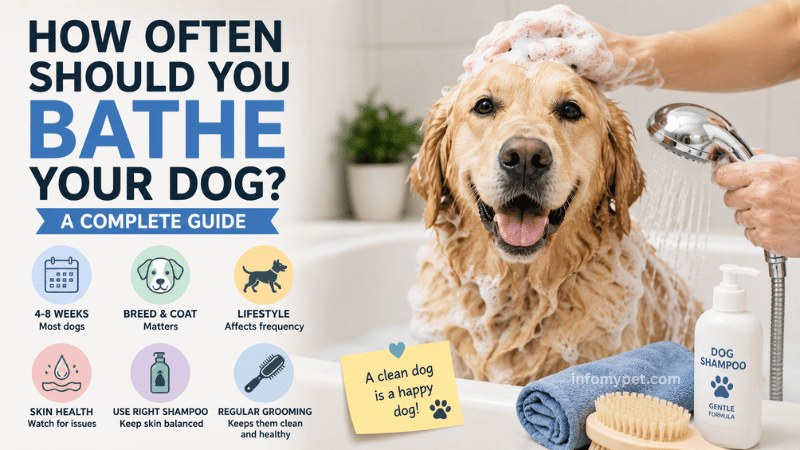
Why Bathing Your Dog Is Important
Bathing plays a crucial role in maintaining your dog's overall health and well-being. While dogs naturally groom themselves to some extent, they still require regular baths to remove dirt, allergens, loose fur, and unpleasant odors.
A proper bath can help eliminate debris that becomes trapped in the coat after outdoor activities. It can also reduce the presence of bacteria, fungi, and parasites that may cause skin problems if left untreated.
Regular bathing provides an excellent opportunity to inspect your dog's skin and coat for signs of health issues. During bath time, owners may notice unusual lumps, rashes, cuts, bald patches, or parasites that might otherwise go unnoticed.
In addition to health benefits, a clean dog is more pleasant to cuddle, play with, and keep indoors. Bathing contributes to a healthier home environment by reducing pet odors and minimizing allergens that may affect family members.
How Often Should You Bathe Your Dog?
The most accurate answer to the question "how often should you bathe your dog" is that it depends on the individual dog.
Most healthy dogs benefit from a bath every four to eight weeks. However, some dogs may require more frequent bathing, while others can comfortably go several months between baths.
Factors that influence bathing frequency include:
- Breed
- Coat length
- Coat texture
- Skin condition
- Activity level
- Living environment
- Medical conditions
- Allergies
- Age
Understanding these factors will help you determine the ideal bathing schedule for your pet.
Bathing Frequency Based on Coat Type
Short-Haired Dogs
Short-haired breeds generally require less maintenance than long-haired breeds. Their coats tend to accumulate less dirt and are easier to keep clean.
Examples include:
- Beagle
- Boxer
- Doberman Pinscher
- Dalmatian
- Greyhound
Most short-haired dogs can be bathed every one to three months, depending on their activity level and lifestyle.
Regular brushing between baths can help remove loose hair and dirt, reducing the need for frequent washing.
Medium-Coated Dogs
Dogs with medium-length coats may require slightly more grooming attention because their fur can trap dirt and debris more easily.
Examples include:
- Border Collie
- Australian Shepherd
- Golden Retriever
These dogs generally benefit from bathing every four to eight weeks.
Brushing several times per week helps prevent matting and keeps the coat healthy between baths.
Long-Haired Dogs
Long-haired breeds often require more frequent grooming due to their dense and flowing coats.
Examples include:
- Shih Tzu
- Maltese
- Afghan Hound
- Yorkshire Terrier
These breeds may need bathing every three to six weeks, particularly if their coats are kept long.
Regular bathing combined with thorough brushing helps prevent tangles, mats, and skin issues.
Bathing Frequency Based on Activity Level
Indoor Dogs
Dogs that spend most of their time indoors generally remain cleaner than highly active outdoor dogs.
Indoor pets typically encounter fewer environmental contaminants such as mud, dust, and pollen.
These dogs may only require bathing every six to eight weeks or even longer, provided they are brushed regularly and remain odor-free.
Active Outdoor Dogs
Dogs that enjoy hiking, swimming, digging, or spending significant time outdoors may become dirty more quickly.
Outdoor adventures expose dogs to:
- Mud
- Sand
- Grass
- Pollen
- Insects
- Bacteria
These dogs may need bathing every two to four weeks, depending on how dirty they become.
However, owners should avoid over-bathing simply because a dog enjoys outdoor activities. Spot cleaning and rinsing with water may sometimes be sufficient.
Bathing Frequency for Dogs with Skin Conditions
Some dogs suffer from skin conditions that require specialized bathing schedules.
Common skin issues include:
- Allergies
- Dermatitis
- Yeast infections
- Seborrhea
- Dry skin
Veterinarians may recommend medicated shampoos and more frequent bathing schedules to manage these conditions effectively.
In certain cases, dogs may require baths once or twice per week under veterinary supervision.
Owners should always follow their veterinarian's instructions when using medicated shampoos, as improper use may worsen skin problems.
Signs Your Dog Needs a Bath
Rather than relying solely on a calendar, owners should also watch for signs that indicate their dog needs a bath.
Common indicators include:
Unpleasant Odor
One of the most obvious signs is a strong dog smell that persists despite normal grooming.
If your dog develops a noticeable odor, it may be time for a bath.
Dirty or Greasy Coat
A coat that feels oily, sticky, or visibly dirty often indicates a need for cleaning.
Excess oils can trap dirt and contribute to unpleasant smells.
Excessive Scratching
Although scratching can have many causes, accumulated dirt and irritants may contribute to skin discomfort.
A bath may help remove allergens and provide relief.
Visible Dirt and Debris
Mud, dust, grass, and other debris trapped in the coat are clear signs that your dog could benefit from a bath.
Increased Shedding
Bathing and brushing together can help remove loose hair and reduce shedding around the home.
Can You Bathe Your Dog Too Often?
Yes, bathing too frequently can create problems for your dog's skin and coat.
The skin naturally produces oils that help:
- Maintain moisture
- Protect against environmental irritants
- Support a healthy coat
Excessive bathing removes these oils, potentially leading to:
- Dry skin
- Itching
- Flaking
- Dull coat
- Increased skin sensitivity
Some owners mistakenly believe that weekly baths are necessary for all dogs. In reality, many healthy dogs do not require such frequent washing.
Using harsh shampoos or human shampoos can further increase the risk of skin irritation.
Choosing the Right Dog Shampoo
The shampoo you use is just as important as how often you bathe your dog.
Dogs have different skin pH levels compared to humans. Human shampoos are often too harsh and can disrupt the natural balance of a dog's skin.
When selecting a shampoo, consider:
Sensitive Skin Formulas
These shampoos are designed for dogs prone to irritation and allergies.
Moisturizing Shampoos
These products help maintain hydration and reduce dryness.
Medicated Shampoos
Veterinarians may prescribe medicated shampoos for specific skin conditions.
Deodorizing Shampoos
These shampoos help control odors without stripping essential oils.
Always choose products specifically formulated for dogs.
Step-by-Step Guide to Bathing Your Dog
Step 1: Brush Before Bathing
Brushing removes loose hair, mats, and tangles before the coat becomes wet.
This makes the bathing process more effective and comfortable.
Step 2: Use Lukewarm Water
Avoid extremely hot or cold water.
Lukewarm water helps your dog remain comfortable throughout the bath.
Step 3: Wet the Coat Thoroughly
Ensure water reaches all layers of the coat, especially in thick-coated breeds.
Step 4: Apply Dog Shampoo
Massage the shampoo gently into the coat and skin.
Pay attention to areas that tend to collect dirt, such as the paws and underbelly.
Step 5: Rinse Completely
Residual shampoo can cause irritation if left on the skin.
Rinse thoroughly until all shampoo is removed.
Step 6: Dry Properly
Use towels or a pet-safe dryer on a low setting.
Proper drying helps prevent skin irritation and fungal growth.
Seasonal Considerations
Summer
Dogs often spend more time outdoors during warmer months.
Swimming, hiking, and playing outside may increase the need for bathing.
Winter
Dogs generally require fewer baths during colder months.
Over-bathing during winter can contribute to dry skin due to lower humidity levels.
Spring and Fall
Seasonal shedding may increase during these periods.
Bathing and brushing can help manage loose fur effectively.
Bathing Puppies
Puppies require special care when it comes to bathing.
Young puppies should only be bathed when necessary. Excessive bathing can dry their sensitive skin.
Most veterinarians recommend waiting until a puppy is at least eight weeks old before introducing regular baths.
Use gentle puppy-specific shampoos and make the experience positive to help establish lifelong grooming habits.
Alternatives to Full Baths
Sometimes a complete bath is not necessary.
Alternative cleaning methods include:
Dog Wipes
Pet-safe wipes are useful for cleaning paws, faces, and small dirty areas.
Dry Shampoo
Dry shampoo products can help freshen the coat between baths.
Spot Cleaning
Cleaning specific dirty areas may eliminate the need for a full bath.
Regular Brushing
Frequent brushing removes dirt, loose fur, and debris while distributing natural oils throughout the coat.
Common Bathing Mistakes to Avoid
Many owners unintentionally make mistakes during bath time.
Common mistakes include:
| Mistake | Why It Is a Problem |
|---|---|
| Using human shampoo | Can irritate the skin and alter pH balance |
| Bathing too frequently | Removes natural protective oils |
| Inadequate rinsing | Leaves residue that may cause irritation |
| Skipping brushing | Can worsen tangles and matting |
| Using very hot water | May cause discomfort and skin irritation |
| Ignoring ear protection | Water in ears can contribute to infections |
Avoiding these mistakes helps ensure a safe and effective bathing experience.
Benefits of Maintaining a Proper Bathing Schedule
A consistent and appropriate bathing routine offers numerous benefits.
These include:
- Healthier skin
- Cleaner coat
- Reduced odors
- Lower allergen levels
- Early detection of health problems
- Improved comfort
- Better coat appearance
- Stronger bond between owner and pet
The key is finding the right balance between cleanliness and preserving the skin's natural protective barriers.
Conclusion
If you have been wondering how often should you bathe your dog, the answer depends on your dog's breed, coat type, activity level, and overall health. While many dogs do well with a bath every four to eight weeks, some may require more frequent grooming, while others can go longer between baths.
Rather than following a strict schedule, pay attention to your dog's individual needs and physical condition. Signs such as odor, dirt buildup, and skin health provide valuable clues about when a bath is necessary.
By choosing the right shampoo, avoiding excessive bathing, and maintaining a regular grooming routine, you can keep your dog clean, healthy, comfortable, and looking its best throughout the year. A thoughtful approach to bathing supports not only your dog's appearance but also its long-term health and well-being.
FAQ
How often should you bathe your dog?
The ideal bathing frequency depends on your dog's breed, coat type, lifestyle, and skin health. Most healthy dogs benefit from a bath every four to eight weeks. However, some dogs may need more frequent baths, while others can go several months between baths.
Can I bathe my dog every week?
Weekly baths are generally unnecessary for most dogs unless recommended by a veterinarian. Bathing too frequently can strip the skin of its natural oils, leading to dryness, irritation, and itching.
What happens if I do not bathe my dog often enough?
Dogs that are not bathed regularly may develop unpleasant odors, oily coats, skin irritation, and a buildup of dirt, bacteria, and allergens. In some cases, infrequent bathing can contribute to skin infections and discomfort.
Do long-haired dogs need more baths than short-haired dogs?
Yes. Long-haired breeds often require more frequent bathing because their coats trap dirt, debris, and oils more easily. Many long-haired dogs benefit from baths every three to six weeks, along with regular brushing.
Should indoor dogs be bathed less frequently?
Indoor dogs typically stay cleaner than dogs that spend a lot of time outdoors. As a result, they often require fewer baths and may only need grooming every six to eight weeks or when they become dirty or develop an odor.
Can bathing help reduce shedding?
Yes. Bathing combined with regular brushing can help remove loose fur and reduce shedding around the home. It also promotes a healthier coat by removing dirt and excess oils.
What are the signs that my dog needs a bath?
Common signs include a strong odor, greasy or dirty fur, visible dirt buildup, excessive scratching caused by environmental irritants, and a coat that appears dull or unclean.
Is it safe to use human shampoo on dogs?
No. Human shampoos are formulated for a different skin pH level and can irritate a dog's skin. Always use shampoos that are specifically designed for dogs.
How often should puppies be bathed?
Puppies should only be bathed when necessary. Most veterinarians recommend waiting until a puppy is at least eight weeks old before introducing regular baths. Puppy-specific shampoos should be used to protect their sensitive skin.
Do dogs with skin allergies need more frequent baths?
Some dogs with allergies or skin conditions may benefit from more frequent bathing using medicated or veterinarian-recommended shampoos. The exact schedule should always be determined by a veterinarian.
Can I bathe my dog after swimming?
It depends on where your dog has been swimming. If your dog swims in chlorinated pools, saltwater, or dirty water, a rinse or bath afterward can help remove substances that may irritate the skin or coat.
What is the best way to keep my dog clean between baths?
Regular brushing, wiping dirty paws, spot cleaning, and using pet-safe grooming wipes can help keep your dog clean and fresh between full baths. These practices can also reduce the need for frequent bathing.
References
- How Often Should You Bathe Your Dog? - petmd.com
- You CAN Bath A Dog Every Week! Here's Why - walkervillevet.com.au
Disclaimer: The information shared on InfoMyPet is based on my personal experience in caring for my pets and is provided for general informational and entertainment purposes only.I am sharing my experiences, tips, and observations to help other pet owners, but the information on this blog should not be considered professional veterinary advice, diagnosis, treatment, or a substitute for consultation with a qualified veterinarian.Every pet is different, and what works for my pets may not be suitable for another pet. If your pet is sick, injured, showing unusual symptoms, or requires medical attention, please consult a qualified veterinarian for proper advice and treatment.InfoMyPet and its owner are not responsible for any loss, injury, or other consequences resulting from the use of information shared on this blog.By using this website, you acknowledge and agree that you use the information provided here at your own discretion and risk.








0 Comments