
Choosing the right food for your dog is one of the most important decisions you can make as a pet owner. A healthy diet provides the essential nutrients your dog needs for growth, energy, immune support, and overall well-being. With countless brands and formulas available on the market, many owners often feel overwhelmed when trying to determine which option is best for their beloved companion.
Understanding how to choose the best dry dog food requires more than simply selecting a popular brand or the most attractive packaging. It involves evaluating ingredients, nutritional value, your dog's age, breed, activity level, and any specific health concerns. By learning what to look for and what to avoid, you can make informed decisions that contribute to your dog's long-term health and happiness.
This comprehensive guide explains everything you need to know about how to choose the best dry dog food for your furry friend.
Table of Contents
How to Choose the Best Dry Dog Food: A Comprehensive Guide
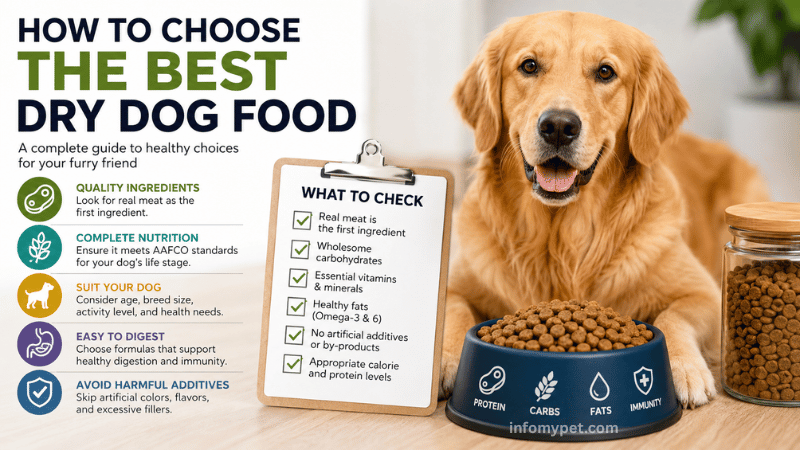
Why Dry Dog Food Remains a Popular Choice
Dry dog food, commonly known as kibble, remains one of the most widely used feeding options for dogs worldwide. Its popularity is due to its convenience, affordability, long shelf life, and balanced nutritional content.
Unlike wet food, dry food can be stored easily without refrigeration until opened. It is also less messy and generally more economical for households with multiple dogs or larger breeds. Many dry dog food formulas are specifically designed to provide complete and balanced nutrition while supporting dental health through the chewing process.
Modern premium dry dog foods are formulated using scientific research and veterinary nutritional standards, making them a reliable choice for dogs of all life stages.
Understanding Your Dog's Nutritional Needs
Before learning how to choose the best dry dog food, it is important to understand the basic nutritional requirements of dogs.
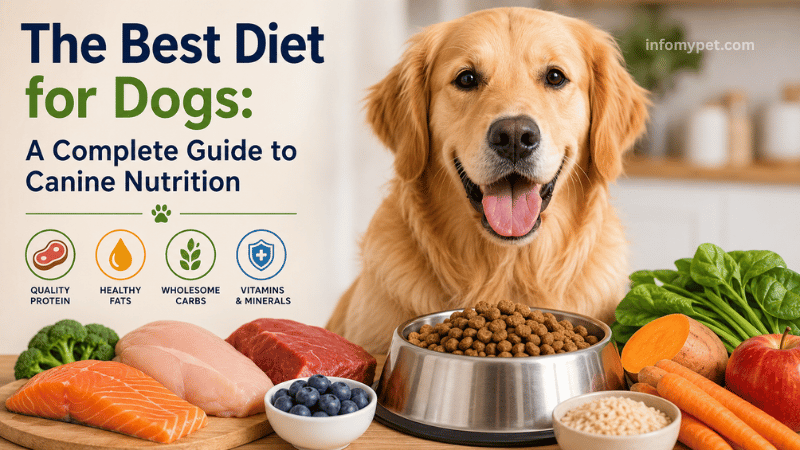
Protein
Protein is one of the most critical nutrients in a dog's diet. It supports muscle development, tissue repair, immune function, and overall growth.
High-quality dry dog food should contain animal-based protein sources such as:
- Chicken
- Turkey
- Beef
- Lamb
- Salmon
- Duck
- Fish meal
Dogs require adequate protein throughout their lives, but puppies, active dogs, and working breeds generally need higher protein levels than sedentary adult dogs.
Fat
Dietary fat provides concentrated energy and supports various bodily functions. Healthy fats also contribute to skin health, coat quality, brain development, and nutrient absorption.
Common healthy fat sources include:
- Chicken fat
- Fish oil
- Salmon oil
- Flaxseed
The right balance of fat helps maintain energy levels without contributing to excessive weight gain.
Carbohydrates
Although dogs do not require carbohydrates in large quantities, they can benefit from digestible carbohydrate sources that provide energy and fiber.
Examples include:
- Brown rice
- Oats
- Sweet potatoes
- Barley
- Peas
Quality carbohydrates support digestion and provide additional vitamins and minerals.
Vitamins and Minerals
A balanced dry dog food should contain essential vitamins and minerals that support:
- Bone health
- Immune function
- Vision
- Metabolism
- Nervous system function
These nutrients are often included through carefully formulated ingredient blends.
Read the Ingredient List Carefully
One of the most important steps in understanding how to choose the best dry dog food is learning how to read ingredient labels.
Ingredients are listed in descending order by weight. The first few ingredients typically make up the majority of the formula.
Look for Real Meat as the First Ingredient
The best dry dog foods usually list a named animal protein source first.
Examples include:
- Chicken
- Beef
- Salmon
- Lamb
- Turkey
This indicates that animal protein plays a significant role in the food's nutritional profile.
Avoid Generic Meat Sources
Be cautious of vague ingredients such as:
- Meat meal
- Animal fat
- Poultry by-product
These terms do not clearly identify the source of the ingredient and may indicate lower-quality ingredients.
Check for Quality Carbohydrates
Choose foods that contain wholesome carbohydrate sources rather than excessive fillers.
Preferred ingredients include:
- Sweet potatoes
- Brown rice
- Oatmeal
- Barley
These ingredients provide nutritional value and are generally easier to digest.
Consider Your Dog's Life Stage
Nutritional requirements change throughout a dog's life. Selecting food based on life stage is essential when determining how to choose the best dry dog food.
Puppy Food
Puppies experience rapid growth and development during their first year of life.
Puppy formulas generally contain:
- Higher protein levels
- Increased calories
- Additional calcium and phosphorus
- DHA for brain development
These nutrients support healthy growth and development.
Adult Dog Food
Adult dogs require balanced nutrition that helps maintain body condition and overall health.
Adult formulas focus on:
- Sustaining energy
- Maintaining muscle mass
- Supporting organ function
- Preventing excessive weight gain
Senior Dog Food
Older dogs often benefit from specialized diets that address age-related changes.
Senior formulas may include:
- Lower calorie content
- Joint-support ingredients
- Increased fiber
- Easily digestible proteins
These adjustments help support healthy aging.
Evaluate Your Dog's Breed Size
Breed size significantly influences nutritional requirements.
Small Breeds
Small dogs typically have faster metabolisms and higher energy needs relative to their body size.
Dry food designed for small breeds often features:
- Smaller kibble size
- Higher calorie density
- Enhanced palatability
Medium Breeds
Medium-sized dogs generally thrive on balanced formulas that support moderate energy requirements and overall health.
Large Breeds
Large and giant breeds have unique nutritional needs.
Large-breed formulas often contain:
- Controlled calcium levels
- Joint-support supplements
- Moderate calorie content
These features help reduce stress on developing bones and joints.
Assess Activity Level
A highly active dog has different nutritional requirements compared to a less active companion.
Active Dogs
Working dogs, sporting dogs, and highly energetic breeds may require:
- Higher protein content
- Increased fat levels
- More calories
These nutrients provide sustained energy and support muscle maintenance.
Less Active Dogs
Dogs with lower activity levels may benefit from:
- Moderate calorie formulas
- Controlled fat content
- Weight management diets
Choosing an appropriate formula helps prevent obesity.
Look for AAFCO Nutritional Adequacy Statements
When learning how to choose the best dry dog food, always check for nutritional adequacy statements.
The food should indicate that it meets the nutritional levels established by the:
- Association of American Feed Control Officials (AAFCO)
This statement helps ensure the food provides complete and balanced nutrition for the intended life stage.
A product meeting these standards has undergone nutritional formulation or feeding trials to verify its suitability.
Consider Special Dietary Needs
Some dogs require specialized nutrition due to medical conditions or sensitivities.
Food Allergies
Dogs with food allergies may benefit from limited-ingredient diets that reduce exposure to potential allergens.
Common allergens include:
- Beef
- Chicken
- Dairy
- Wheat
- Soy
Limited-ingredient formulas simplify the diet and may help identify triggers.
Sensitive Stomachs
Dogs with digestive issues often benefit from foods containing:
- Easily digestible proteins
- Probiotics
- Prebiotics
- Moderate fiber levels
These ingredients support digestive health and nutrient absorption.
Weight Management
Overweight dogs may require reduced-calorie formulas designed to promote healthy weight loss while preserving muscle mass.
Understand Common Marketing Claims
Pet food packaging often contains attractive marketing terms that may confuse consumers.
Grain-Free
Grain-free diets eliminate grains such as wheat, corn, rice, and barley.
However, grain-free does not automatically mean healthier. Many dogs tolerate grains well and can benefit from their nutritional content.
Natural
The term "natural" generally indicates ingredients derived from plant, animal, or mineral sources with minimal processing.
However, the definition can vary among manufacturers.
Premium and Holistic
These terms are primarily marketing language and are not regulated nutritional standards.
Always evaluate the ingredient list and nutritional analysis rather than relying solely on packaging claims.
Examine Guaranteed Analysis
The guaranteed analysis provides important information about nutrient levels.
Key values include:
- Crude protein
- Crude fat
- Crude fiber
- Moisture
Comparing these values between products helps determine whether a food aligns with your dog's nutritional needs.
Higher protein levels may benefit active dogs, while moderate fat levels may be preferable for weight management.
Check for Beneficial Supplements
Many high-quality dry dog foods contain additional ingredients that support overall health.
Omega-3 and Omega-6 Fatty Acids
These nutrients support:
- Healthy skin
- Shiny coat
- Brain function
- Joint health
Glucosamine and Chondroitin
These supplements may support joint health, particularly in large breeds and senior dogs.
Probiotics
Probiotics help maintain healthy digestive bacteria and may improve digestive function.
Antioxidants
Antioxidants support immune health and help protect cells from oxidative damage.
Avoid Excessive Fillers and Artificial Additives
While not all fillers are harmful, excessive use may reduce overall nutritional quality.
Ingredients to limit include:
- Artificial colors
- Artificial flavors
- Excessive preservatives
- Large amounts of low-value fillers
High-quality foods generally focus on nutrient-dense ingredients rather than unnecessary additives.
Monitor Your Dog's Response
Even the highest-rated dry dog food may not be ideal for every dog.
After transitioning to a new food, monitor:
- Energy levels
- Stool quality
- Skin condition
- Coat appearance
- Appetite
- Weight maintenance
Positive changes often indicate that the food is meeting your dog's nutritional requirements.
If problems arise, consult a veterinarian for guidance.
Transition to New Food Gradually
Sudden dietary changes can cause digestive upset.
A gradual transition over seven to ten days is generally recommended.
Example schedule:
| Day | Old Food | New Food |
|---|---|---|
| 1-2 | 75% | 25% |
| 3-4 | 50% | 50% |
| 5-6 | 25% | 75% |
| 7+ | 0% | 100% |
This gradual process allows the digestive system to adapt smoothly.
Common Mistakes to Avoid
When deciding how to choose the best dry dog food, avoid these common errors:
| Mistake | Why It Can Be Problematic |
|---|---|
| Choosing based solely on price | Cheap foods may use lower-quality ingredients |
| Following trends blindly | Popular diets may not suit your dog |
| Ignoring life stage requirements | Nutritional needs vary with age |
| Overlooking ingredient quality | Poor ingredients may affect health |
| Switching foods too frequently | Frequent changes can upset digestion |
| Relying only on marketing claims | Packaging claims do not always reflect quality |
Signs That Your Dog Is Eating the Right Food
A suitable dry dog food often results in:
- Healthy body weight
- Lean muscle condition
- Consistent energy levels
- Healthy skin
- Shiny coat
- Firm stools
- Good appetite
- Strong immune function
These indicators suggest that your dog is receiving appropriate nutrition.
Conclusion
Learning how to choose the best dry dog food is an essential part of responsible pet ownership. The ideal food should provide complete and balanced nutrition while meeting your dog's unique needs based on age, breed size, activity level, and health status. By carefully examining ingredient quality, nutritional adequacy, protein sources, and beneficial supplements, pet owners can make informed choices that support long-term health and well-being.
Rather than relying solely on marketing claims or popularity, focus on understanding what is actually inside the food and how it affects your dog's overall condition. Every dog is different, and the best dry dog food is ultimately the one that helps your dog maintain excellent health, energy, and quality of life for years to come.
Frequently Asked Questions (FAQs) About How to Choose the Best Dry Dog Food
What is the most important factor when choosing dry dog food?
The most important factor is the quality of the ingredients and whether the food provides complete and balanced nutrition for your dog's specific life stage. Look for a named animal protein, such as chicken, beef, or salmon, as the first ingredient. Additionally, ensure the food meets recognized nutritional standards and contains appropriate levels of protein, fat, vitamins, and minerals.
How do I know if a dry dog food is high quality?
High-quality dry dog food typically contains real meat as the primary ingredient, uses wholesome carbohydrate sources, and includes beneficial nutrients such as omega fatty acids, probiotics, and antioxidants. It should avoid excessive fillers, artificial colors, and unnecessary additives. Reading the ingredient list and guaranteed analysis can help you evaluate quality.
Is grain-free dry dog food better for dogs?
Not necessarily. Grain-free dog food is not automatically healthier than grain-inclusive food. Many dogs digest grains such as brown rice, oats, and barley without any issues. Grain-free diets may be suitable for dogs with specific grain sensitivities, but most dogs can thrive on diets that include quality grains.
How much protein should dry dog food contain?
The ideal protein level depends on your dog's age, breed, and activity level. Puppies and active dogs generally require higher protein levels to support growth and muscle maintenance. Adult dogs typically do well with moderate to high protein content, while senior dogs may benefit from highly digestible protein sources. Always consult your veterinarian if you are unsure about your dog's specific requirements.
Should I choose dry dog food based on my dog's breed?
Breed size is often more important than breed itself. Small breeds, medium breeds, and large breeds have different nutritional needs. Large-breed formulas, for example, may include joint-support nutrients and controlled calcium levels, while small-breed formulas often feature smaller kibble sizes and higher calorie density.
How can I tell if my dog is allergic to its food?
Common signs of food allergies in dogs include itchy skin, excessive scratching, recurring ear infections, digestive upset, vomiting, diarrhea, and skin irritation. If you suspect a food allergy, consult a veterinarian who may recommend an elimination diet or a limited-ingredient food formula.
Is it okay to switch my dog's dry food frequently?
Frequent food changes are generally not recommended unless there is a specific reason. Constant switching can cause digestive upset and make it difficult to identify food sensitivities. If a change is necessary, introduce the new food gradually over seven to ten days.
What ingredients should I avoid in dry dog food?
While not every controversial ingredient is harmful, many pet owners prefer to avoid foods that contain excessive artificial colors, artificial preservatives, unidentified meat sources, and large amounts of low-nutritional-value fillers. Prioritizing transparent ingredient labeling is usually a good approach.
How do I know if my dog is thriving on its current dry food?
Signs that your dog is doing well on its food include maintaining a healthy body weight, having consistent energy levels, producing firm stools, displaying a shiny coat, and showing good overall health. A healthy appetite and strong muscle condition are also positive indicators.
Is expensive dry dog food always better?
Not always. While premium foods often contain higher-quality ingredients and advanced formulations, price alone does not determine quality. It is important to evaluate the ingredient list, nutritional adequacy, and your dog's response to the food rather than relying solely on cost.
Can puppies eat adult dry dog food?
Puppies should generally eat food specifically formulated for growth. Puppy food contains higher levels of calories, protein, and essential nutrients needed for proper development. Feeding adult food too early may result in nutritional deficiencies during critical growth stages.
How often should I feed my dog dry food?
Feeding frequency depends on your dog's age and individual needs. Most adult dogs are fed twice daily, while puppies may require three to four meals per day. Your veterinarian can provide personalized recommendations based on your dog's size, age, activity level, and health condition.
Are by-products always bad in dry dog food?
Not necessarily. Some animal by-products can provide valuable nutrients. However, foods that clearly identify their protein sources and use high-quality ingredients are generally preferred because they offer greater transparency regarding what your dog is consuming.
Should senior dogs eat special senior dry dog food?
Many senior dogs benefit from diets formulated specifically for aging pets. Senior formulas often contain fewer calories, added joint-support ingredients, and easily digestible nutrients. However, the best choice depends on your dog's health status, activity level, and veterinary recommendations.
What should I do if my dog refuses to eat a new dry food?
If your dog refuses a new food, try transitioning more slowly by mixing it with the current food over several days. Ensure the food is fresh and stored properly. If the refusal continues or is accompanied by signs of illness, consult your veterinarian to rule out underlying health issues.
References
- How to Choose the Best Dog Food - petmd.com
- How to Choose the Best Dog Food, According To A Vet Tech - hesprucepets.com
Disclaimer: The information shared on InfoMyPet is based on my personal experience in caring for my pets and is provided for general informational and entertainment purposes only.I am sharing my experiences, tips, and observations to help other pet owners, but the information on this blog should not be considered professional veterinary advice, diagnosis, treatment, or a substitute for consultation with a qualified veterinarian.Every pet is different, and what works for my pets may not be suitable for another pet. If your pet is sick, injured, showing unusual symptoms, or requires medical attention, please consult a qualified veterinarian for proper advice and treatment.InfoMyPet and its owner are not responsible for any loss, injury, or other consequences resulting from the use of information shared on this blog.By using this website, you acknowledge and agree that you use the information provided here at your own discretion and risk.


0 Comments