
Chocolate is one of the most popular treats enjoyed by people around the world. Whether it comes in the form of candy bars, cookies, cakes, brownies, hot chocolate, or desserts, chocolate is commonly found in many households. While chocolate may be a delicious indulgence for humans, it can be extremely dangerous for cats.
Many cat owners panic when they discover that their cat ate chocolate. Even a small amount can raise concerns because chocolate contains substances that are toxic to felines. Although cats are less likely than dogs to intentionally consume chocolate due to their limited ability to taste sweetness, accidental ingestion can still occur. Curious cats may nibble on chocolate-covered foods, lick chocolate residues, or consume desserts containing chocolate.
If your cat ate chocolate, understanding the potential risks and knowing what actions to take can make a significant difference in protecting your pet's health. This article explains why chocolate is dangerous for cats, the symptoms of chocolate poisoning, treatment options, and preventive measures every cat owner should know.
Table of Contents
What Happens If Cat Ate Chocolate?
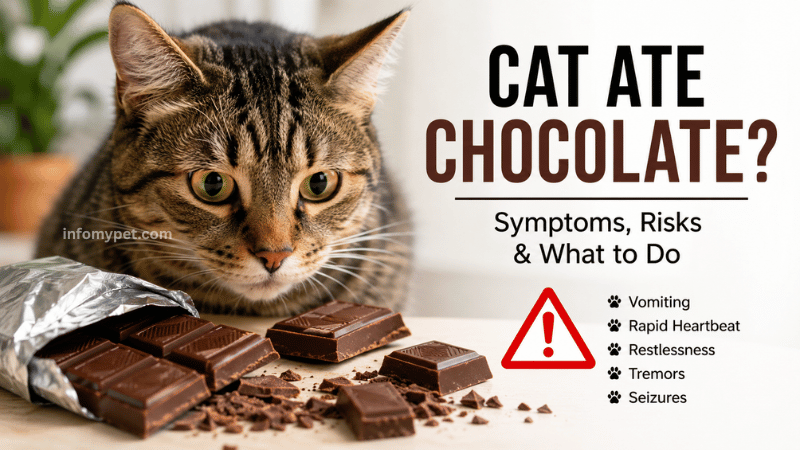
Why Is Chocolate Toxic to Cats?
Chocolate contains compounds known as methylxanthines, specifically theobromine and caffeine. These substances are naturally found in cocoa beans and are responsible for the stimulating effects that people experience after consuming chocolate.
Humans can metabolize theobromine and caffeine relatively efficiently. Cats, however, process these compounds much more slowly. As a result, the toxins remain in their bodies for extended periods and can accumulate to dangerous levels.
Theobromine primarily affects the nervous system, cardiovascular system, and muscles. When a cat consumes chocolate, theobromine can overstimulate the body, leading to a range of symptoms that may vary from mild discomfort to life-threatening complications.
The toxicity level depends on several factors, including:
- The type of chocolate consumed
- The amount eaten
- The cat's body weight
- The cat's age and overall health condition
- The time elapsed since ingestion
Because cats are generally smaller than humans, even relatively small quantities of chocolate can have serious consequences.
Types of Chocolate and Their Toxicity Levels
Not all chocolate products contain the same amount of theobromine. Some types are significantly more dangerous than others.
Dark Chocolate
Dark chocolate contains high concentrations of cocoa solids and therefore has a large amount of theobromine. This makes it one of the most dangerous forms of chocolate for cats.
Even a small portion of dark chocolate may result in serious poisoning symptoms. The higher the cocoa percentage, the greater the risk.
Baking Chocolate
Unsweetened baking chocolate is among the most toxic chocolate products available. Because it contains concentrated cocoa content, it has exceptionally high levels of theobromine.
A small piece of baking chocolate can potentially cause severe poisoning in a cat.
Cocoa Powder
Cocoa powder is extremely concentrated and contains some of the highest levels of theobromine among chocolate products.
Cats that ingest cocoa powder require immediate veterinary attention due to the high risk of toxicity.
Milk Chocolate
Milk chocolate contains less cocoa than dark chocolate and baking chocolate. However, it still contains enough theobromine to be dangerous, especially for kittens and small cats.
Many owners mistakenly assume milk chocolate is harmless because it is less concentrated. While it may be less toxic than dark chocolate, it can still cause poisoning.
White Chocolate
White chocolate contains very little cocoa solids and significantly lower amounts of theobromine. Although it is generally less toxic, it is not considered safe for cats.
White chocolate contains large amounts of sugar and fat, which may cause digestive upset and other health issues.
What Happens If Cat Ate Chocolate?
When a cat eats chocolate, the toxic compounds begin affecting the body as they are absorbed through the digestive system.
Initially, the nervous system becomes overstimulated. As toxin levels increase, the cardiovascular system may also be affected. The cat's heart rate can rise significantly, and abnormal heart rhythms may develop.
In mild cases, a cat may experience digestive discomfort and temporary hyperactivity. In moderate to severe cases, the symptoms can escalate rapidly and become life-threatening.
Without prompt treatment, chocolate poisoning may lead to seizures, heart failure, respiratory problems, or even death.
The severity of the reaction depends largely on the quantity and type of chocolate consumed.
Symptoms of Chocolate Poisoning in Cats
Symptoms may begin appearing within a few hours after ingestion, although the exact timing can vary.
Vomiting
Vomiting is often one of the earliest signs of chocolate poisoning. The body attempts to eliminate the toxic substances through the digestive tract.
Repeated vomiting can lead to dehydration and electrolyte imbalances if left untreated.
Diarrhea
Chocolate ingestion frequently causes gastrointestinal irritation. Cats may develop diarrhea as the digestive system reacts to the toxic compounds.
Persistent diarrhea can contribute to fluid loss and weakness.
Increased Thirst
Affected cats may drink more water than usual. Increased thirst often occurs as the body tries to compensate for fluid losses caused by vomiting or diarrhea.
Restlessness
Cats experiencing chocolate toxicity may appear unusually restless or unable to settle down. They may pace around the house, vocalize excessively, or show signs of agitation.
Hyperactivity
The caffeine and theobromine found in chocolate can create stimulant effects. Some cats become noticeably more energetic and active than normal.
Rapid Heart Rate
An elevated heart rate is a common symptom of chocolate poisoning. The heart may beat faster than normal due to overstimulation of the cardiovascular system.
This symptom can become dangerous if severe.
Muscle Tremors
As toxicity progresses, muscle tremors may develop. These involuntary muscle movements indicate that the nervous system is being affected.
Elevated Body Temperature
Cats with severe poisoning may experience an increase in body temperature due to excessive muscle activity and overstimulation.
Seizures
Seizures are among the most serious symptoms of chocolate toxicity. They indicate significant neurological involvement and require emergency veterinary treatment.
Collapse
In extreme cases, a cat may become weak, collapse, or lose consciousness.
This represents a medical emergency and requires immediate intervention.
How Much Chocolate Is Dangerous for a Cat?
There is no universally safe amount of chocolate for cats.
The risk depends on the cat's size and the concentration of theobromine in the chocolate consumed. A small kitten can be affected by a much smaller amount than a larger adult cat.
For example, a few grams of baking chocolate may be sufficient to trigger serious symptoms in a small cat. Larger quantities of milk chocolate may also pose significant risks.
Because toxicity calculations can be complex, any chocolate ingestion should be taken seriously.
If you know your cat ate chocolate, contacting a veterinarian immediately is the safest course of action.
What Should You Do If Your Cat Ate Chocolate?
Quick action can significantly improve outcomes.
Stay Calm
Although the situation is serious, remaining calm allows you to make informed decisions and provide accurate information to your veterinarian.
Remove Access to Chocolate
Immediately remove any remaining chocolate or chocolate-containing products from your cat's reach.
This helps prevent further ingestion.
Determine What Was Eaten
Try to identify:
- The type of chocolate
- The estimated amount consumed
- The time of ingestion
These details will help the veterinarian assess the level of risk.
Contact a Veterinarian Immediately
Do not wait for symptoms to appear.
Many cats benefit from early treatment before significant absorption of toxins occurs.
Prompt consultation with a veterinarian can help determine whether emergency care is necessary.
Monitor Your Cat Closely
Watch for changes in behavior, appetite, activity level, breathing, and coordination while seeking veterinary advice.
Any worsening symptoms should be treated as an emergency.
Veterinary Treatment for Chocolate Poisoning
Treatment depends on how much chocolate was consumed and how quickly medical attention is obtained.
Inducing Vomiting
If ingestion occurred recently, a veterinarian may induce vomiting to remove chocolate before it is fully absorbed.
This procedure should only be performed under professional guidance.
Activated Charcoal
Activated charcoal may be administered to reduce absorption of toxins within the digestive tract.
This treatment can help limit the amount of theobromine entering the bloodstream.
Intravenous Fluids
Fluid therapy is commonly used to maintain hydration and support toxin elimination.
Intravenous fluids also help stabilize the cardiovascular system.
Heart Monitoring
Cats with significant chocolate toxicity may require continuous monitoring of heart rate and rhythm.
Abnormalities can be identified and treated promptly.
Medications
Veterinarians may prescribe medications to control seizures, muscle tremors, abnormal heart rhythms, or other complications.
Hospitalization
Severe cases often require hospitalization for intensive monitoring and supportive care.
Early intervention significantly improves the chances of recovery.
Recovery and Prognosis
Many cats recover successfully when treatment is provided promptly.
The prognosis depends on:
- The amount of chocolate consumed
- The type of chocolate
- The severity of symptoms
- How quickly treatment begins
Cats that receive veterinary care before severe symptoms develop often have excellent outcomes.
Delayed treatment can increase the risk of complications and may result in a poorer prognosis.
Owners should continue following veterinary recommendations after returning home to ensure complete recovery.
Foods That Contain Hidden Chocolate
Many people focus only on obvious chocolate products. However, chocolate can also be present in numerous foods that cats may accidentally access.
Examples include:
- Chocolate cakes
- Brownies
- Cookies
- Chocolate chip muffins
- Ice cream
- Chocolate cereals
- Protein bars
- Candy bars
- Chocolate sauces
- Hot cocoa mixes
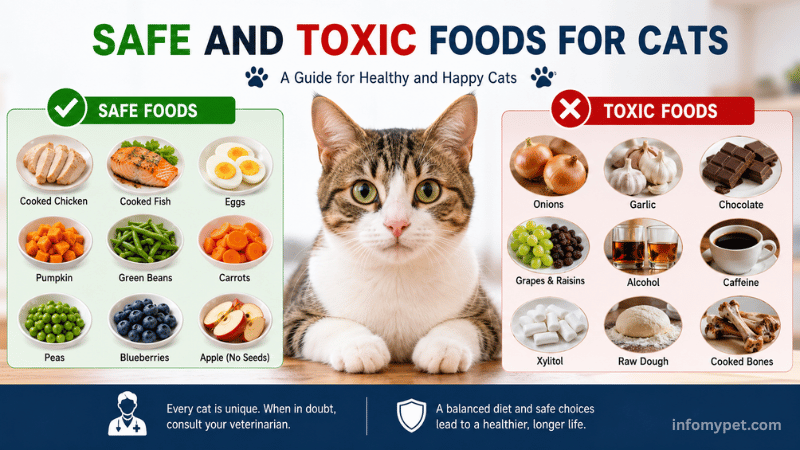
Some of these foods may also contain other ingredients that are harmful to cats, making them even more dangerous.
How to Prevent Chocolate Poisoning in Cats
Prevention is always better than treatment.
Store Chocolate Securely
Keep chocolate products in cabinets, containers, or drawers that cats cannot access.
Avoid leaving chocolate on countertops or tables.
Educate Family Members
Ensure everyone in the household understands that chocolate is toxic to cats.
Children should be taught never to share chocolate treats with pets.
Dispose of Wrappers Properly
Cats may investigate food packaging due to residual scents.
Discard chocolate wrappers in secure trash containers.
Monitor Holiday Foods
Chocolate consumption incidents often increase during holidays such as Christmas, Valentine's Day, Easter, and Halloween.
Pay extra attention during celebrations when chocolate products are more abundant.
Offer Safe Treat Alternatives
Provide cat-specific treats instead of human foods.
Commercial cat treats are formulated to meet feline nutritional requirements and are far safer than chocolate-based snacks.
Common Myths About Cats and Chocolate
Myth 1: Cats Do Not Eat Chocolate
While cats are generally less attracted to sweet foods than dogs, some cats will still consume chocolate-containing products.
Accidental ingestion remains a genuine concern.
Myth 2: A Small Amount Cannot Cause Harm
Even small quantities can be dangerous depending on the chocolate type and the cat's body size.
Every case should be evaluated seriously.
Myth 3: White Chocolate Is Completely Safe
Although white chocolate contains less theobromine, it is not a healthy food for cats and may still cause digestive problems.
Myth 4: Symptoms Appear Immediately
Some symptoms may take several hours to develop.
Waiting for visible signs before seeking help can delay important treatment.
Conclusion
If your cat ate chocolate, it should always be treated as a potentially serious situation. Chocolate contains theobromine and caffeine, two substances that cats cannot process efficiently. These compounds can affect the digestive system, nervous system, and cardiovascular system, leading to symptoms ranging from vomiting and diarrhea to seizures and life-threatening complications.
The type of chocolate, amount consumed, and size of the cat all influence the severity of poisoning. Dark chocolate, baking chocolate, and cocoa powder are particularly dangerous because they contain high concentrations of theobromine. Early veterinary intervention offers the best chance for a full recovery and can prevent severe complications from developing.
The safest approach is to keep all chocolate products out of your cat's reach and seek professional veterinary advice immediately if chocolate ingestion occurs. Acting quickly can make a crucial difference in protecting your cat's health and wellbeing.
Frequently Asked Questions (FAQs)
What should I do immediately if my cat ate chocolate?
If your cat ate chocolate, remove any remaining chocolate from its reach and contact a veterinarian as soon as possible. Try to determine the type of chocolate, the amount consumed, and when it was eaten. Do not wait for symptoms to appear because early treatment can significantly improve the outcome.
How long after eating chocolate will a cat show symptoms?
Symptoms of chocolate poisoning can appear within a few hours after ingestion, although the timing may vary depending on the amount and type of chocolate consumed. Some cats may show signs quickly, while others may take longer to develop noticeable symptoms.
Can a small amount of chocolate harm a cat?
Yes, even a small amount of chocolate can be harmful to a cat. The risk depends on the cat's size and the type of chocolate consumed. Dark chocolate, baking chocolate, and cocoa powder contain higher levels of theobromine and are especially dangerous.
Is milk chocolate dangerous for cats?
Although milk chocolate contains less theobromine than dark chocolate, it can still be toxic to cats. Small cats and kittens are particularly vulnerable because their bodies are less able to tolerate toxic substances.
Why is chocolate toxic to cats?
Chocolate contains theobromine and caffeine, which belong to a group of compounds called methylxanthines. Cats metabolize these substances very slowly, allowing them to build up in the body and potentially cause poisoning.
What are the most common symptoms of chocolate poisoning in cats?
Common symptoms include vomiting, diarrhea, increased thirst, restlessness, hyperactivity, rapid heart rate, muscle tremors, and weakness. Severe cases may result in seizures, collapse, or life-threatening complications.
Can chocolate poisoning kill a cat?
Yes, severe chocolate poisoning can be fatal if left untreated. Large amounts of chocolate or highly concentrated products such as baking chocolate and cocoa powder can cause serious cardiovascular and neurological problems that may lead to death.
Is white chocolate safe for cats?
White chocolate contains very little theobromine compared to other types of chocolate, but it is not considered safe for cats. Its high sugar and fat content may cause digestive upset and other health problems.
Can cats recover from chocolate poisoning?
Many cats recover completely when they receive prompt veterinary treatment. The chances of recovery are generally better when treatment begins before severe symptoms develop.
How can I prevent my cat from eating chocolate?
Store chocolate products in secure locations that your cat cannot access. Educate family members about the dangers of feeding chocolate to pets, properly dispose of wrappers, and avoid leaving chocolate-containing foods unattended around your home.
References
- Can Cats Eat Chocolate? A Guide to Safety - purina.com
- Can Cats Have Chocolate: Is It an Emergency Situation? - gsvs.org
Disclaimer: The information shared on InfoMyPet is based on my personal experience in caring for my pets and is provided for general informational and entertainment purposes only.I am sharing my experiences, tips, and observations to help other pet owners, but the information on this blog should not be considered professional veterinary advice, diagnosis, treatment, or a substitute for consultation with a qualified veterinarian.Every pet is different, and what works for my pets may not be suitable for another pet. If your pet is sick, injured, showing unusual symptoms, or requires medical attention, please consult a qualified veterinarian for proper advice and treatment.InfoMyPet and its owner are not responsible for any loss, injury, or other consequences resulting from the use of information shared on this blog.By using this website, you acknowledge and agree that you use the information provided here at your own discretion and risk.







0 Comments