
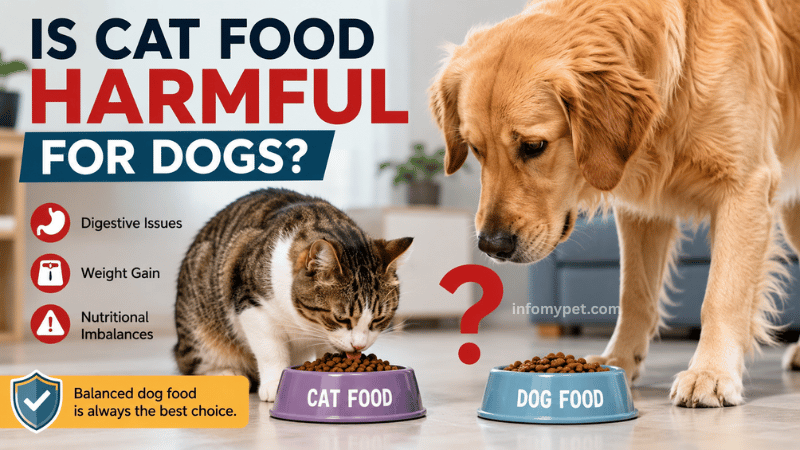
Is Cat Food Harmful For Dogs? | Many pet owners have experienced a situation where their dog sneaks into the cat's feeding area and eats a bowl of cat food. While this may seem harmless at first, it often raises an important question: is cat food harmful for dogs?
The short answer is that cat food is not usually toxic to dogs, but it is not designed to meet a dog's nutritional needs. Although an occasional small amount of cat food may not cause serious harm, regular consumption can lead to digestive issues, nutritional imbalances, obesity, and other health problems over time.
Understanding the differences between cat food and dog food is essential for maintaining your dog's long-term health. In this article, we will explore whether cat food is harmful for dogs, the risks associated with feeding cat food to dogs, and what you should do if your dog regularly eats cat food.
Table of Contents
Is Cat Food Harmful For Dogs?
Understanding the Difference Between Cat Food and Dog Food
Before discussing whether cat food is harmful for dogs, it is important to understand why cat food and dog food are formulated differently.
Cats and dogs have different dietary requirements because they belong to different biological categories. Cats are classified as obligate carnivores, which means they rely heavily on nutrients obtained from animal-based protein. Dogs, on the other hand, are considered omnivores and can obtain nutrients from both animal and plant sources.
As a result, cat food is typically formulated with:
- Higher protein levels
- Higher fat content
- More calories per serving
- Increased amounts of certain amino acids such as taurine
- Different vitamin and mineral balances
Dog food is specifically designed to provide balanced nutrition for canine health. It contains appropriate levels of protein, carbohydrates, fats, vitamins, and minerals that support a dog's growth, energy requirements, and overall well-being.
Because of these differences, cat food may not be suitable for dogs when consumed regularly.
Is Cat Food Harmful For Dogs?
The answer depends on how often the dog eats cat food and how much is consumed.
An occasional small serving of cat food is unlikely to cause severe health problems in most healthy dogs. Many dogs are attracted to cat food because of its rich smell, strong flavor, and higher fat content.
However, repeated or long-term consumption can become problematic.
When a dog frequently eats cat food instead of its regular diet, several health concerns may develop. These concerns range from mild digestive discomfort to serious medical conditions that require veterinary treatment.
Therefore, while cat food is not immediately poisonous to dogs, it can become harmful when consumed regularly or in large quantities.
Why Dogs Love Cat Food
Many dog owners wonder why their pets seem to prefer cat food over their own meals.
The answer lies in the nutritional composition of cat food.
Cat food contains significantly more protein and fat than most dog foods. These ingredients make the food smell stronger and taste richer. Dogs naturally find these flavors highly appealing.
Additionally, cats often eat smaller portions throughout the day, meaning their food may remain accessible. Curious dogs frequently take advantage of these opportunities whenever they find an unattended bowl.
The attraction does not necessarily mean cat food is healthier for dogs. In fact, the very characteristics that make cat food appealing can contribute to health issues when consumed excessively.
Digestive Problems Caused by Cat Food
One of the most common consequences of dogs eating cat food is digestive upset.
Because cat food contains higher levels of fat and protein, a dog's digestive system may struggle to process it efficiently, especially if consumed suddenly or in large amounts.
Common digestive symptoms include:
- Vomiting
- Diarrhea
- Stomach pain
- Excessive gas
- Loss of appetite
- Temporary lethargy
Some dogs may experience symptoms within a few hours of eating cat food. Others may take longer to show signs of digestive discomfort.
Dogs with sensitive stomachs are particularly vulnerable to these problems.
While mild digestive upset often resolves on its own, severe symptoms may require veterinary attention, particularly if dehydration develops.
Risk of Pancreatitis
One of the most serious concerns associated with dogs eating cat food is pancreatitis.
Pancreatitis is inflammation of the pancreas, an organ responsible for producing digestive enzymes and regulating blood sugar levels.
High-fat foods are a well-known trigger for pancreatitis in dogs. Since cat food generally contains more fat than dog food, excessive consumption can increase the risk of this painful condition.
Symptoms of pancreatitis may include:
- Severe vomiting
- Diarrhea
- Abdominal pain
- Fever
- Loss of appetite
- Weakness
- Dehydration
Pancreatitis can become life-threatening if left untreated. Certain breeds, including miniature schnauzers and other dogs prone to fat metabolism disorders, may be at greater risk.
Dogs with a history of pancreatitis should never be allowed access to cat food.
Obesity and Weight Gain
Another reason why cat food may be harmful for dogs is its high calorie content.
Cats require concentrated nutrition because of their unique metabolism. Consequently, cat food contains more calories per serving than most dog foods.
When dogs regularly consume cat food, they may take in significantly more calories than their bodies need.
Over time, this excess calorie intake can contribute to:
- Weight gain
- Obesity
- Reduced mobility
- Joint problems
- Increased risk of diabetes
- Cardiovascular stress
Obesity is one of the most common health problems affecting companion animals worldwide. Preventing unnecessary calorie consumption is essential for maintaining a healthy body weight.
Even active dogs can gain weight if they frequently consume calorie-dense cat food.
Nutritional Imbalances
Although cat food is rich in protein and fat, it does not provide balanced nutrition for dogs.
Every species has specific nutritional requirements. Dog food is carefully formulated to meet those requirements, while cat food is designed specifically for feline health.
When dogs eat cat food regularly, they may consume excessive amounts of certain nutrients while lacking others.
Potential nutritional imbalances may involve:
- Incorrect calcium-to-phosphorus ratios
- Excessive protein intake
- Insufficient dietary fiber
- Imbalanced vitamin levels
- Inappropriate mineral concentrations
These imbalances may not produce immediate symptoms but can negatively affect long-term health.
Growing puppies are especially vulnerable because proper nutrition is essential during developmental stages.
Can Puppies Eat Cat Food?
Puppies should not be fed cat food as a regular diet.
Although cat food contains high levels of protein, puppies require a carefully balanced nutritional profile to support healthy growth and development.
Feeding cat food to puppies may lead to nutritional deficiencies or excesses that interfere with proper bone development, muscle growth, and organ function.
If a puppy accidentally eats a small amount of cat food, serious problems are unlikely. However, repeated access should be prevented.
Puppies should always receive high-quality puppy food specifically formulated for their age and breed size.
Can Senior Dogs Eat Cat Food?
Senior dogs generally should not rely on cat food either.
Older dogs often have unique dietary needs that differ from younger adults. Many senior dogs require controlled calorie intake, moderate fat levels, and specialized nutrient support for joints, kidneys, and heart health.
The rich composition of cat food may place unnecessary strain on aging organs.
Senior dogs with underlying medical conditions such as kidney disease, liver disease, diabetes, or pancreatitis may experience worsening symptoms if they consume cat food regularly.
Veterinarians typically recommend diets specifically designed for senior canine health rather than feline diets.
What Happens If a Dog Eats Cat Food Once?
In most cases, a healthy dog that eats cat food once will experience little to no serious harm.
Possible outcomes include:
| Amount Consumed | Possible Effect |
|---|---|
| Small amount | No symptoms or mild stomach upset |
| Moderate amount | Temporary diarrhea or vomiting |
| Large amount | Digestive distress, pancreatitis risk in susceptible dogs |
Most healthy dogs recover without complications after eating a small portion of cat food.
Monitoring your dog for signs of vomiting, diarrhea, or unusual behavior is generally sufficient.
If symptoms become severe or persist beyond 24 hours, veterinary evaluation is recommended.
Dogs Most at Risk From Eating Cat Food
Certain dogs are more vulnerable to health complications from cat food.
These include:
Dogs With Pancreatitis History
Dogs that have previously suffered from pancreatitis face a significantly increased risk of recurrence after consuming high-fat foods.
Overweight Dogs
The calorie density of cat food can worsen obesity and contribute to further weight-related complications.
Dogs With Sensitive Stomachs
Dogs prone to digestive upset may develop vomiting and diarrhea even after consuming small amounts of cat food.
Senior Dogs
Aging dogs may have reduced digestive efficiency and underlying health conditions that make cat food less suitable.
Dogs With Chronic Health Conditions
Dogs diagnosed with diabetes, kidney disease, liver disease, or gastrointestinal disorders should avoid cat food unless specifically directed by a veterinarian.
How to Prevent Dogs From Eating Cat Food
Preventing access is the best way to protect your dog's health.
Effective strategies include:
Feed Cats in Elevated Areas
Place cat food on shelves, cat trees, or elevated feeding stations that dogs cannot reach.
Establish Separate Feeding Zones
Feed cats and dogs in different rooms whenever possible.
Remove Food After Meals
Avoid leaving cat food available throughout the day if dogs have access to the area.
Use Pet Gates
Install barriers that allow cats to enter feeding areas while preventing dogs from following.
Maintain Consistent Feeding Schedules
Structured feeding routines help reduce opportunities for food theft.
These simple measures can significantly reduce the likelihood of dogs consuming cat food regularly.
When to Contact a Veterinarian
Veterinary care should be sought if your dog develops any of the following symptoms after eating cat food:
- Repeated vomiting
- Severe diarrhea
- Abdominal pain
- Refusal to eat
- Weakness
- Dehydration
- Difficulty standing
- Signs of pancreatitis
Immediate veterinary attention is especially important if your dog consumed a large quantity of cat food or has a pre-existing medical condition.
Prompt treatment can prevent complications and improve recovery outcomes.
Conclusion
So, is cat food harmful for dogs?
An occasional small serving of cat food is generally not dangerous for most healthy dogs. However, cat food is not nutritionally balanced for canine needs and should never replace a dog's regular diet.
Regular consumption can lead to digestive upset, obesity, pancreatitis, and nutritional imbalances. The high fat and calorie content found in cat food makes it particularly problematic for dogs with sensitive stomachs, weight issues, or underlying health conditions.
The safest approach is to feed dogs a high-quality dog food formulated specifically for their nutritional requirements while preventing access to cat food whenever possible. By understanding the differences between canine and feline diets, pet owners can make informed decisions that support their dog's long-term health and well-being.
Frequently Asked Questions (FAQs)
Is cat food harmful for dogs if eaten occasionally?
In most cases, an occasional small amount of cat food is not harmful for healthy dogs. However, some dogs may experience mild digestive issues such as vomiting, diarrhea, or stomach discomfort because cat food contains higher levels of fat and protein than dog food.
Can dogs eat cat food every day?
No, dogs should not eat cat food every day. Cat food is formulated specifically for the nutritional needs of cats and does not provide the balanced nutrition that dogs require. Long-term consumption can lead to obesity, digestive problems, and nutritional imbalances.
Why do dogs like cat food so much?
Dogs are often attracted to cat food because it contains higher amounts of protein and fat, making it smell stronger and taste richer than most dog foods. The appealing aroma and flavor can make cat food more tempting to dogs.
What happens if my dog eats a large amount of cat food?
A dog that eats a large amount of cat food may experience symptoms such as vomiting, diarrhea, stomach pain, excessive gas, or loss of appetite. In some cases, especially in dogs prone to digestive issues, consuming large quantities of cat food can increase the risk of pancreatitis.
Can cat food cause pancreatitis in dogs?
Yes, cat food can contribute to pancreatitis in dogs because it typically contains higher levels of fat than dog food. Dogs with a history of pancreatitis or those sensitive to fatty foods are at a greater risk of developing this condition after eating cat food.
Is wet cat food safer for dogs than dry cat food?
Wet cat food is not necessarily safer for dogs. Both wet and dry cat food are formulated for cats and contain nutrient levels that may not be suitable for dogs. Regardless of the form, cat food should not be used as a regular part of a dog's diet.
Can puppies eat cat food?
Puppies should not be fed cat food regularly. While cat food is rich in protein, it lacks the proper nutritional balance needed for healthy puppy growth and development. Puppies should be fed food specifically formulated for their age and size.
Will cat food make my dog gain weight?
Regular consumption of cat food can contribute to weight gain because it contains more calories and fat than most dog foods. Over time, this may increase the risk of obesity and related health problems.
What should I do if my dog keeps eating the cat's food?
You should try to separate feeding areas, feed pets at different times, use pet gates, or place the cat's food in an elevated location that the dog cannot access. Preventing regular access is the best way to avoid potential health issues.
When should I contact a veterinarian after my dog eats cat food?
You should contact a veterinarian if your dog develops severe vomiting, persistent diarrhea, abdominal pain, weakness, dehydration, loss of appetite, or any other unusual symptoms after eating cat food. Immediate veterinary attention is especially important if your dog has existing health conditions or consumed a large amount of cat food.
Can cat food replace dog food in an emergency?
Cat food can be used temporarily in a short-term emergency if dog food is unavailable, but it should not become a long-term substitute. Dogs require a balanced canine diet, and prolonged reliance on cat food can lead to nutritional problems.
Are certain dogs more at risk from eating cat food?
Yes. Dogs with pancreatitis, obesity, sensitive stomachs, diabetes, kidney disease, liver disease, or other chronic health conditions are more likely to experience complications from eating cat food and should avoid it whenever possible.
References
- Can Dogs Eat Cat Food? - petmd.com
- Myth Debunked: Can Dog Eat Cat Food? - petuniverse.com
Disclaimer: The information shared on InfoMyPet is based on my personal experience in caring for my pets and is provided for general informational and entertainment purposes only.I am sharing my experiences, tips, and observations to help other pet owners, but the information on this blog should not be considered professional veterinary advice, diagnosis, treatment, or a substitute for consultation with a qualified veterinarian.Every pet is different, and what works for my pets may not be suitable for another pet. If your pet is sick, injured, showing unusual symptoms, or requires medical attention, please consult a qualified veterinarian for proper advice and treatment.InfoMyPet and its owner are not responsible for any loss, injury, or other consequences resulting from the use of information shared on this blog.By using this website, you acknowledge and agree that you use the information provided here at your own discretion and risk.


0 Comments