
Dogs are among the most beloved pets in the world, providing companionship, loyalty, and unconditional love to millions of families. As responsible pet owners, ensuring the health and well-being of our canine companions should always be a top priority. While dogs can live long and healthy lives with proper care, they are still susceptible to various illnesses and medical conditions that can affect their quality of life.
Understanding Common Dog Diseases is essential for every dog owner because early recognition of symptoms can often lead to faster treatment and better outcomes. Many diseases begin with subtle signs that may be easy to overlook. However, identifying these warning signals early can make a significant difference in preventing complications and reducing suffering.
This comprehensive guide explores the most common dog diseases, their causes, symptoms, treatment options, and prevention strategies. By becoming familiar with these conditions, dog owners can take proactive steps to keep their pets healthy and happy throughout their lives.
Table of Contents
Common Dog Diseases Every Owner Should Know
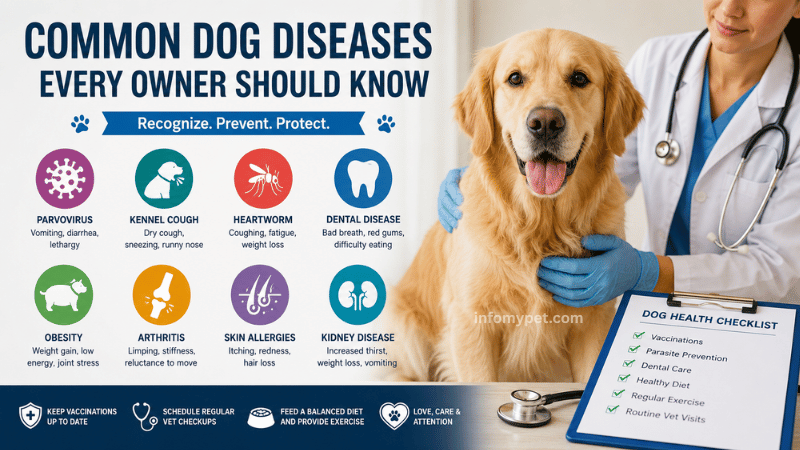
Why It Is Important to Know About Common Dog Diseases
Dogs cannot communicate their discomfort or pain in the same way humans can. As a result, owners must pay close attention to changes in behavior, appetite, energy levels, and physical appearance. Recognizing potential health issues early allows veterinary intervention before a disease becomes severe.
Many Common Dog Diseases can be effectively managed or even prevented through routine veterinary care, vaccinations, proper nutrition, exercise, and good hygiene practices. Knowledge empowers pet owners to make informed decisions regarding their dog's health and overall well-being.
1. Canine Parvovirus (Parvo)
Canine parvovirus, commonly known as parvo, is one of the most serious and highly contagious viral diseases that can affect dogs, particularly puppies and unvaccinated dogs. This disease attacks rapidly dividing cells within the body, especially those found in the intestinal lining and bone marrow. As a result, infected dogs often suffer from severe gastrointestinal distress and a weakened immune system, making them more vulnerable to secondary infections. Because the virus spreads easily through contaminated environments, food bowls, bedding, and even human clothing, outbreaks can occur quickly in areas where multiple dogs are present. Without immediate veterinary treatment, parvovirus can lead to severe dehydration, organ failure, and death.
Causes
Parvovirus spreads through direct contact with infected dogs or contaminated environments. The virus can survive for long periods on surfaces, making it extremely difficult to eliminate.
Symptoms
- Severe vomiting
- Bloody diarrhea
- Loss of appetite
- Lethargy
- Fever
- Rapid dehydration
- Weight loss
Treatment
There is no specific cure for parvovirus. Treatment focuses on supportive care, including intravenous fluids, medications to control vomiting, antibiotics to prevent secondary infections, and nutritional support.
Prevention
Vaccination remains the most effective method of preventing parvovirus. Puppies should receive a complete vaccination series according to veterinary recommendations.
2. Canine Distemper
Canine distemper is a highly contagious viral disease that can affect several major body systems, including the respiratory, digestive, and nervous systems. It is considered one of the most dangerous viral infections in dogs because it can cause lifelong neurological damage in survivors. The disease is caused by a virus closely related to the virus responsible for measles in humans and spreads through airborne droplets and direct contact with infected animals. Young puppies, elderly dogs, and dogs that have not received proper vaccinations are at the highest risk. Even when treatment is successful, some dogs may continue to experience seizures, muscle tremors, or other neurological complications for the rest of their lives.
Causes
The disease spreads through airborne exposure, direct contact with infected animals, or contaminated objects.
Symptoms
- Fever
- Nasal discharge
- Eye discharge
- Coughing
- Vomiting
- Diarrhea
- Seizures
- Muscle twitching
- Paralysis in severe cases
Treatment
There is no cure for distemper. Veterinary treatment focuses on supportive care to improve the dog's chances of recovery.
Prevention
Routine vaccination is highly effective in protecting dogs from this potentially fatal disease.
3. Kennel Cough
Kennel cough is a common respiratory disease that affects dogs of all ages and is particularly prevalent in places where dogs gather in large numbers. The condition is typically caused by a combination of viruses and bacteria that irritate and inflame the upper respiratory tract. While many cases are relatively mild, kennel cough can become more serious in puppies, senior dogs, or dogs with weakened immune systems. The disease spreads rapidly through coughing, sneezing, and close contact, making boarding kennels, grooming facilities, dog parks, and animal shelters common locations for outbreaks. Although many dogs recover within a few weeks, untreated infections may sometimes develop into pneumonia.
Causes
Several viruses and bacteria can contribute to kennel cough, including Bordetella bronchiseptica.
Symptoms
- Persistent dry cough
- Sneezing
- Runny nose
- Mild fever
- Reduced activity levels
Treatment
Most cases resolve within a few weeks. Veterinarians may prescribe cough suppressants, anti-inflammatory medications, or antibiotics when necessary.
Prevention
Vaccination and minimizing exposure to infected dogs can significantly reduce the risk of infection.
4. Heartworm Disease
Heartworm disease is a potentially life-threatening condition caused by parasitic worms that live within a dog's heart, lungs, and blood vessels. These parasites are transmitted through mosquito bites, making the disease a concern in many regions around the world. Once inside the body, immature worms gradually grow and reproduce, eventually interfering with normal blood circulation and causing damage to vital organs. The disease often develops slowly, and some dogs may not show obvious symptoms during the early stages. However, as the number of worms increases, serious complications such as heart failure, lung disease, and permanent organ damage can occur. Because treatment can be expensive and physically demanding for the dog, prevention remains the most effective approach.
Causes
Heartworms are transmitted through mosquito bites. Once inside the dog's body, the larvae mature into adult worms that can cause severe organ damage.
Symptoms
- Persistent coughing
- Fatigue
- Difficulty breathing
- Weight loss
- Reduced exercise tolerance
- Heart failure in advanced cases
Treatment
Treatment involves a series of injections and strict activity restriction. The process can be lengthy and expensive.
Prevention
Monthly heartworm preventatives prescribed by veterinarians provide highly effective protection.
5. Rabies
Rabies is one of the most feared infectious diseases because it affects both animals and humans and is almost always fatal once clinical symptoms develop. The disease attacks the central nervous system, causing progressive neurological damage that eventually leads to death. Rabies is usually transmitted through the bite of an infected animal, as the virus is present in saliva. Wildlife such as bats, raccoons, foxes, and stray animals are common sources of infection in many regions. Due to the significant public health risk associated with rabies, vaccination programs have become an essential part of responsible pet ownership. Preventing exposure and maintaining up-to-date vaccinations are critical for protecting both pets and their owners.
Causes
Rabies spreads through bites from infected animals, most commonly wildlife.
Symptoms
- Behavioral changes
- Aggression
- Excessive drooling
- Difficulty swallowing
- Paralysis
- Seizures
Treatment
There is no effective treatment once symptoms develop.
Prevention
Routine rabies vaccination is essential and legally required in many regions.
6. Dental Disease
Dental disease is among the most common yet frequently overlooked health problems affecting dogs. Many pet owners do not realize that poor oral health can impact much more than a dog's teeth and gums. When plaque and tartar accumulate over time, harmful bacteria can spread below the gum line and enter the bloodstream. This can potentially affect major organs such as the heart, liver, and kidneys. Dental disease often develops gradually, which means symptoms may not become noticeable until significant damage has already occurred. Regular dental care is therefore an essential part of maintaining a dog's overall health and quality of life.
Causes
Plaque and tartar accumulation lead to inflammation, infection, and gum disease.
Symptoms
- Bad breath
- Red gums
- Loose teeth
- Difficulty eating
- Excessive drooling
- Facial swelling
Treatment
Professional dental cleaning and treatment of infected teeth are often required.
Prevention
Regular tooth brushing, dental chews, and routine oral examinations can help maintain good dental health.
7. Obesity
Obesity has become one of the fastest-growing health concerns among domestic dogs worldwide. Excess body weight places significant strain on nearly every organ system and increases the risk of numerous chronic health conditions. Dogs that are overweight often experience reduced mobility, lower energy levels, breathing difficulties, and an increased likelihood of developing diabetes, arthritis, and heart disease. In many cases, obesity results from a combination of overfeeding, excessive treats, and insufficient physical activity. Since obesity develops gradually, some owners may not recognize the problem until their dog's health has already been affected. Maintaining a healthy weight is one of the most effective ways to promote a longer and healthier life.
Causes
- Excessive calorie intake
- Lack of exercise
- Overfeeding treats
- Certain medical conditions
Symptoms
- Excessive weight gain
- Reduced stamina
- Difficulty moving
- Breathing problems
- Joint discomfort
Treatment
Weight management programs typically involve dietary changes and increased physical activity.
Prevention
Providing balanced nutrition and regular exercise helps maintain a healthy body condition.
8. Arthritis
Arthritis is a chronic joint condition that causes inflammation, pain, and reduced mobility in affected dogs. Although it is most commonly associated with aging, younger dogs can also develop arthritis due to injuries, genetic conditions, or developmental abnormalities. As the protective cartilage within the joints gradually wears away, bones begin rubbing against one another, leading to discomfort and stiffness. Dogs suffering from arthritis may become less willing to exercise, climb stairs, jump onto furniture, or participate in activities they once enjoyed. Early diagnosis and appropriate management can significantly improve comfort levels and help maintain mobility for many years.
Causes
- Aging
- Joint injuries
- Obesity
- Genetic factors
Symptoms
- Limping
- Stiffness
- Difficulty standing
- Reluctance to exercise
- Reduced mobility
Treatment
Treatment may include medications, physical therapy, weight management, and joint supplements.
Prevention
Maintaining a healthy weight and providing appropriate exercise can reduce the risk of joint problems.
9. Ear Infections
Ear infections are a frequent health issue in dogs and can range from mild irritation to severe, painful conditions that affect hearing and balance. Certain breeds with floppy ears, excessive ear hair, or narrow ear canals are particularly susceptible because moisture and debris can become trapped inside the ear. Allergies, bacteria, yeast, parasites, and underlying skin conditions are among the most common causes. If left untreated, ear infections may spread deeper into the ear canal and lead to chronic inflammation or permanent damage. Regular ear inspections and proper cleaning can help detect problems before they become serious.
Causes
- Bacterial infections
- Yeast infections
- Allergies
- Moisture buildup
- Ear mites
Symptoms
- Head shaking
- Scratching at the ears
- Redness
- Foul odor
- Ear discharge
Treatment
Veterinarians typically prescribe medicated ear drops and cleaning solutions.
Prevention
Regular ear cleaning and monitoring can help prevent recurring infections.
10. Skin Allergies
Skin allergies are one of the leading causes of veterinary visits among dogs. These allergies occur when the immune system reacts excessively to substances that are normally harmless. Common triggers include environmental allergens such as pollen, dust mites, mold, certain foods, and flea bites. Dogs suffering from allergies often experience persistent itching and discomfort that can significantly affect their quality of life. Continuous scratching, chewing, and licking may result in open wounds, hair loss, and secondary skin infections. Because allergy symptoms can vary greatly from one dog to another, identifying the underlying trigger is often an important step in developing an effective treatment plan.
Causes
- Environmental allergens
- Food allergies
- Flea allergies
- Contact irritants
Symptoms
- Itching
- Red skin
- Hair loss
- Skin infections
- Excessive licking
Treatment
Treatment depends on identifying and managing the underlying allergen.
Prevention
Routine flea control and careful dietary management can reduce allergy flare-ups.
11. Diabetes Mellitus
Diabetes mellitus is a metabolic disorder that affects the body's ability to regulate blood sugar levels properly. In diabetic dogs, the body either fails to produce sufficient insulin or cannot use insulin effectively, leading to elevated glucose levels in the bloodstream. If left untreated, diabetes can cause serious complications affecting the eyes, kidneys, liver, and nervous system. The condition is more commonly diagnosed in middle-aged and senior dogs, although it can occur at any age. With proper medical management, including insulin therapy, dietary adjustments, and routine monitoring, many diabetic dogs are able to enjoy a good quality of life for years after diagnosis.
Causes
- Obesity
- Genetics
- Hormonal disorders
- Pancreatic disease
Symptoms
- Increased thirst
- Frequent urination
- Weight loss
- Increased appetite
- Lethargy
Treatment
Most diabetic dogs require insulin therapy and dietary management.
Prevention
Maintaining a healthy weight may reduce the risk of developing diabetes.
12. Kidney Disease
Kidney disease is a serious condition that occurs when the kidneys gradually lose their ability to filter waste products and maintain proper fluid balance within the body. The disease is particularly common among senior dogs, although infections, toxins, congenital abnormalities, and certain medications may also contribute to kidney damage. Because the kidneys perform many vital functions, even a moderate decline in function can have widespread effects on overall health. Early stages of kidney disease often develop slowly and may go unnoticed without regular veterinary testing. Early detection and appropriate treatment can help slow progression and improve long-term outcomes.
Causes
- Aging
- Infections
- Toxins
- Genetic disorders
Symptoms
- Increased drinking
- Increased urination
- Weight loss
- Vomiting
- Loss of appetite
Treatment
Treatment focuses on slowing disease progression and improving quality of life.
Prevention
Regular veterinary screenings help identify kidney problems early.
13. Canine Influenza
Canine influenza, often referred to as dog flu, is a contagious respiratory disease caused by specific influenza viruses that infect dogs. Similar to human influenza, the illness spreads through respiratory droplets produced when infected dogs cough, bark, or sneeze. Although many dogs recover without complications, some may develop more severe respiratory infections, especially puppies, elderly dogs, and those with weakened immune systems. Outbreaks can occur in boarding facilities, dog daycare centers, shelters, and other environments where dogs interact closely. Prompt veterinary care and isolation of infected dogs can help reduce transmission and prevent complications.
Causes
The disease is caused by specific influenza viruses that spread through respiratory secretions.
Symptoms
- Coughing
- Sneezing
- Fever
- Nasal discharge
- Reduced appetite
Treatment
Supportive care and rest are usually recommended.
Prevention
Vaccination may be beneficial for dogs at higher risk of exposure.
14. Flea and Tick Infestations
Flea and tick infestations are among the most common external parasite problems affecting dogs. These parasites do more than simply cause itching and irritation; they can also transmit a variety of diseases and create significant health issues if left untreated. Fleas may trigger allergic skin reactions and, in severe infestations, cause anemia due to blood loss. Ticks are capable of carrying serious diseases that can affect multiple organ systems. Because these parasites are commonly found in outdoor environments, even well-cared-for dogs can become exposed. Consistent parasite prevention is essential for protecting dogs from both discomfort and potentially dangerous illnesses.
Causes
Exposure to infested environments or animals.
Symptoms
- Excessive scratching
- Hair loss
- Skin irritation
- Visible parasites
- Anemia in severe cases
Treatment
Various topical, oral, and environmental treatments are available.
Prevention
Year-round parasite prevention is highly recommended.
Warning Signs That Require Immediate Veterinary Attention
Regardless of the specific disease, certain symptoms should never be ignored. Immediate veterinary care should be sought if a dog experiences:
- Difficulty breathing
- Collapse
- Seizures
- Severe vomiting
- Bloody diarrhea
- Inability to urinate
- Sudden paralysis
- Significant trauma
- Unconsciousness
Prompt medical attention can often save a dog's life during emergencies.
How to Reduce the Risk of Common Dog Diseases
While not every disease can be prevented, owners can greatly reduce health risks through responsible care.
Schedule Regular Veterinary Checkups
Routine examinations allow veterinarians to detect health problems before they become serious.
Keep Vaccinations Up to Date
Vaccines provide essential protection against several potentially fatal diseases.
Provide Proper Nutrition
A balanced diet supports immune function, healthy growth, and disease prevention.
Maintain a Healthy Weight
Preventing obesity reduces the risk of diabetes, arthritis, heart disease, and other chronic conditions.
Exercise Regularly
Physical activity improves cardiovascular health, muscle strength, and mental well-being.
Practice Good Hygiene
Regular grooming, dental care, and parasite prevention contribute significantly to overall health.
Monitor Behavioral Changes
Even subtle changes in behavior may indicate an underlying medical condition that requires attention.
Conclusion
Understanding Common Dog Diseases is one of the most important responsibilities of dog ownership. From infectious diseases such as parvovirus and distemper to chronic conditions like arthritis, diabetes, and kidney disease, many illnesses can affect a dog's health throughout its lifetime. Recognizing symptoms early, seeking timely veterinary care, and implementing preventive measures can significantly improve outcomes and enhance quality of life.
Responsible pet ownership involves more than providing food and shelter. It requires ongoing attention to a dog's physical and emotional well-being. By staying informed about Common Dog Diseases and working closely with a veterinarian, owners can help ensure their canine companions enjoy long, healthy, and fulfilling lives.
Frequently Asked Questions (FAQs) About Common Dog Diseases
What are the most common dog diseases?
Some of the most common dog diseases include canine parvovirus, kennel cough, heartworm disease, dental disease, obesity, arthritis, skin allergies, ear infections, diabetes, and kidney disease. These conditions can affect dogs of all ages and breeds, although certain diseases may be more common in puppies, senior dogs, or dogs with specific genetic predispositions.
How can I tell if my dog is sick?
Dogs often show signs of illness through changes in behavior, appetite, energy levels, or physical appearance. Common warning signs include vomiting, diarrhea, coughing, excessive scratching, weight loss, loss of appetite, increased thirst, difficulty breathing, and unusual lethargy. If these symptoms persist or worsen, veterinary attention should be sought as soon as possible.
Which dog diseases can be prevented through vaccination?
Several serious diseases can be prevented through routine vaccinations, including canine parvovirus, canine distemper, rabies, and certain forms of kennel cough. Following a veterinarian-recommended vaccination schedule is one of the most effective ways to protect dogs from potentially life-threatening infections.
What is the most dangerous disease for dogs?
There is no single disease that is considered the most dangerous in every situation. However, rabies, parvovirus, distemper, and heartworm disease are among the most serious conditions due to their potentially fatal consequences. Early diagnosis and preventive care play an important role in reducing the risks associated with these diseases.
Can indoor dogs get serious diseases?
Yes, indoor dogs can still develop various health conditions, including obesity, dental disease, diabetes, kidney disease, and skin allergies. They may also be exposed to infectious diseases through contact with other animals, contaminated environments, or insects such as mosquitoes that transmit heartworms.
How often should my dog visit the veterinarian?
Most healthy adult dogs should undergo a veterinary examination at least once a year. Puppies, senior dogs, and dogs with chronic health conditions may require more frequent checkups. Regular veterinary visits help detect diseases early and ensure vaccinations and preventive treatments remain up to date.
Are certain dog breeds more prone to specific diseases?
Yes, some breeds have a higher risk of developing certain medical conditions due to genetic factors. For example, large breeds are often more susceptible to arthritis and joint problems, while breeds with floppy ears may experience ear infections more frequently. Understanding breed-specific health concerns can help owners take preventive measures.
Can obesity shorten a dog's lifespan?
Yes, obesity can significantly reduce a dog's quality of life and lifespan. Excess weight increases the risk of conditions such as diabetes, heart disease, arthritis, respiratory problems, and reduced mobility. Maintaining a healthy weight through proper nutrition and regular exercise is essential for long-term health.
What are the first signs of heartworm disease in dogs?
Early signs of heartworm disease may include a mild cough, reduced energy levels, exercise intolerance, and occasional breathing difficulties. Because symptoms often develop gradually, many infected dogs appear healthy during the early stages. Regular heartworm testing and preventive medication are strongly recommended.
When should I seek emergency veterinary care for my dog?
Immediate veterinary care should be sought if your dog experiences difficulty breathing, seizures, collapse, severe vomiting, bloody diarrhea, inability to urinate, sudden paralysis, unconsciousness, or signs of severe trauma. Prompt treatment can be critical in preventing serious complications and saving your dog's life.
Can dental disease affect my dog's overall health?
Yes, untreated dental disease can affect more than just the teeth and gums. Bacteria from oral infections can enter the bloodstream and potentially damage vital organs such as the heart, liver, and kidneys. Regular dental care is an important part of maintaining overall canine health.
What is the best way to prevent common dog diseases?
The best approach is a combination of preventive measures, including regular veterinary checkups, vaccinations, parasite control, proper nutrition, routine exercise, dental care, and maintaining a healthy weight. These practices can significantly reduce the risk of many common dog diseases and help dogs live longer, healthier lives.
References
- Common Dog Diseases - aspca.org
- 11 Common Dog Illnesses and How to Handle Them - groveanimalhospital.com
Disclaimer: The information shared on InfoMyPet is based on my personal experience in caring for my pets and is provided for general informational and entertainment purposes only.I am sharing my experiences, tips, and observations to help other pet owners, but the information on this blog should not be considered professional veterinary advice, diagnosis, treatment, or a substitute for consultation with a qualified veterinarian.Every pet is different, and what works for my pets may not be suitable for another pet. If your pet is sick, injured, showing unusual symptoms, or requires medical attention, please consult a qualified veterinarian for proper advice and treatment.InfoMyPet and its owner are not responsible for any loss, injury, or other consequences resulting from the use of information shared on this blog.By using this website, you acknowledge and agree that you use the information provided here at your own discretion and risk.



0 Comments