
Dogs are beloved members of the family, and their health plays a vital role in their overall happiness and quality of life. Unfortunately, obesity has become one of the most common health problems affecting dogs worldwide. Many pet owners do not realize that even a few extra pounds can significantly impact their dog's health, mobility, and lifespan.
If your veterinarian has recommended that your dog lose weight, it is important to approach the process carefully and safely. Crash diets and extreme exercise routines are not suitable for dogs and can lead to health complications. Instead, a structured weight management plan that combines proper nutrition, controlled calorie intake, regular exercise, and ongoing monitoring can help your dog achieve and maintain a healthy weight.
This guide explains everything you need to know about helping your dog lose weight safely and effectively.
Table of Contents
How to Help Your Dog Lose Weight
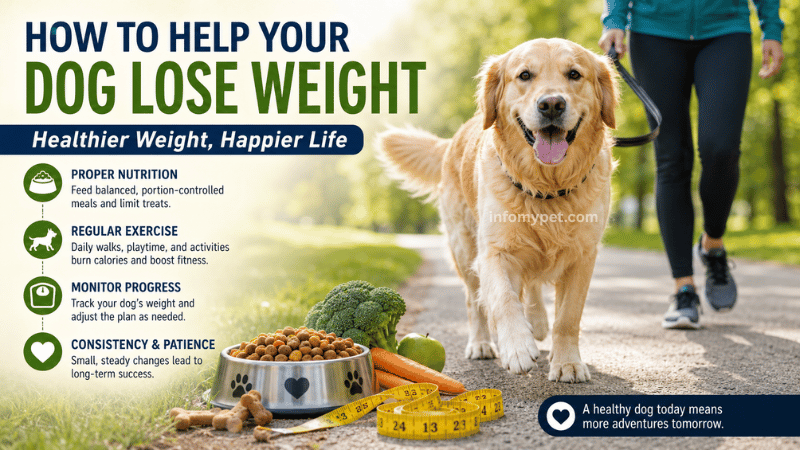
Why It Is Important for Your Dog to Lose Weight
Excess body weight places additional strain on nearly every part of a dog's body. Overweight dogs are more likely to develop various health conditions that can affect both their quality of life and longevity.
Some of the health risks associated with canine obesity include:
- Arthritis and joint problems
- Heart disease
- Diabetes
- High blood pressure
- Respiratory difficulties
- Reduced mobility
- Increased surgical risks
- Lower energy levels
- Shortened lifespan
Research has shown that dogs maintained at a healthy weight often live longer than overweight dogs. Helping your dog lose weight is not simply about appearance; it is about improving overall health and increasing the chances of a longer, happier life.
How to Know If Your Dog Is Overweight
Before starting a weight loss program, it is important to determine whether your dog is actually overweight.
Signs Your Dog May Be Overweight
Several physical and behavioral signs can indicate excess weight:
- Difficulty feeling the ribs under a layer of fat
- Lack of a visible waist when viewed from above
- Rounded or bulging abdomen
- Reduced stamina during walks
- Heavy panting after mild activity
- Difficulty jumping or climbing stairs
- Increased sleeping and reduced activity levels
Body Condition Score
Veterinarians often use a Body Condition Score (BCS) system to evaluate a dog's weight. Most systems use a scale from 1 to 9.
| Score | Condition |
|---|---|
| 1-3 | Underweight |
| 4-5 | Ideal weight |
| 6-7 | Overweight |
| 8-9 | Obese |
A dog with an ideal body condition should have a visible waist when viewed from above and ribs that can be easily felt without excessive pressure.
Consult Your Veterinarian First
One of the most important steps before beginning any weight loss plan is consulting your veterinarian.
Certain medical conditions can contribute to weight gain, including:
- Hypothyroidism
- Cushing's disease
- Hormonal imbalances
- Certain medications
- Reduced mobility due to pain or injury
A veterinarian can identify underlying health issues and determine an appropriate target weight for your dog. They can also recommend a safe calorie intake and weight loss schedule.
Understanding Why Dogs Gain Weight
Weight gain occurs when a dog consumes more calories than it burns. While this sounds simple, many factors can contribute to the problem.
Overfeeding
Many pet owners unintentionally provide larger food portions than their dogs actually need. Even small daily excesses can result in significant weight gain over time.
Too Many Treats
Treats often contain more calories than owners realize. Frequent rewards, table scraps, and snacks can quickly increase a dog's daily calorie intake.
Lack of Exercise
Dogs that do not receive enough physical activity burn fewer calories. This imbalance can contribute to gradual weight gain.
Aging
As dogs grow older, their metabolism naturally slows down. Senior dogs often require fewer calories than younger, more active dogs.
Breed Predisposition
Certain breeds are naturally more prone to obesity.
Examples include:
- Labrador Retrievers
- Beagles
- Pugs
- Dachshunds
- Golden Retrievers
- Cocker Spaniels
Owners of these breeds should pay extra attention to weight management.
Creating a Safe Weight Loss Plan
A successful dog lose weight program should focus on gradual and sustainable changes.
Set Realistic Goals
Healthy weight loss in dogs is usually slow and steady. Most veterinarians recommend losing approximately 1% to 2% of body weight per week.
Rapid weight loss can cause nutritional deficiencies and other health complications.
Determine Daily Calorie Requirements
Your veterinarian can calculate the appropriate calorie intake based on:
- Current weight
- Target weight
- Age
- Activity level
- Medical history
Avoid estimating calories on your own, as incorrect calculations may slow progress or create health risks.
Choosing the Right Dog Food
Diet plays a major role in weight management.
Weight Management Formulas
Many pet food manufacturers offer specialized weight-control formulas designed to support healthy weight loss.
These foods often contain:
- Reduced calories
- Increased fiber
- Higher protein levels
- Balanced nutrients
The additional fiber helps dogs feel fuller while consuming fewer calories.
High-Protein Diets
Protein supports muscle maintenance during weight loss. Preserving lean muscle mass is important because muscle helps maintain a healthy metabolism.
Dogs that lose fat while maintaining muscle generally achieve better long-term results.
Measure Every Meal
One of the biggest mistakes pet owners make is estimating food portions.
Always use:
- Measuring cups
- Kitchen scales
- Feeding guides
Accurate portion control ensures your dog receives the appropriate amount of food each day.
Reduce Treat Consumption
Treats are often responsible for a significant portion of a dog's daily calorie intake.
Follow the 10 Percent Rule
Treats should generally account for no more than 10% of your dog's daily calories.
For example, if your dog consumes 500 calories daily, treats should contribute no more than 50 calories.
Healthy Treat Alternatives
Consider replacing high-calorie treats with healthier options such as:
| Healthy Option | Benefits |
|---|---|
| Carrot sticks | Low-calorie and crunchy |
| Green beans | High fiber content |
| Cucumber slices | Hydrating and low calorie |
| Apple slices (without seeds) | Natural sweetness |
| Blueberries | Rich in antioxidants |
These alternatives provide variety while helping reduce calorie intake.
Stop Feeding Table Scraps
Human food is a common contributor to canine obesity.
Many table scraps contain:
- Excess fat
- Salt
- Sugar
- Hidden calories
Even small amounts given regularly can significantly impact weight loss efforts.
Family members should agree to avoid feeding the dog from the table to maintain consistency.
Increase Physical Activity
Exercise is an essential component of any dog lose weight plan.
Daily Walks
Walking is one of the safest and most effective forms of exercise for most dogs.
Benefits include:
- Increased calorie burning
- Improved cardiovascular health
- Better muscle tone
- Enhanced mental stimulation
Start gradually if your dog has been inactive and increase duration over time.
Play Sessions
Interactive play can help burn calories while strengthening the bond between owner and pet.
Popular activities include:
- Fetch
- Tug-of-war
- Hide-and-seek
- Frisbee
- Obstacle courses
Short, frequent play sessions can be especially effective.
Swimming
Swimming is an excellent low-impact exercise for dogs with joint problems.
The water supports body weight while allowing dogs to move freely and burn calories.
Many overweight dogs benefit from supervised swimming sessions.
Hiking and Outdoor Adventures
For active dogs, hiking provides additional physical and mental stimulation.
Changing terrain challenges different muscle groups and increases energy expenditure compared to standard walks.
Use Food Puzzles and Slow Feeders
Food puzzles encourage dogs to work for their meals.
Benefits include:
- Increased mental stimulation
- Slower eating speed
- Greater calorie expenditure
- Reduced boredom
Dogs that eat slowly often feel more satisfied after meals.
Monitor Progress Regularly
Tracking progress helps ensure the weight loss program remains effective.
Weekly Weigh-Ins
Weigh your dog regularly using:
- Veterinary clinic scales
- Pet scales
- Home scales for smaller dogs
Record results to identify trends over time.
Track Measurements
Body measurements can sometimes reveal progress even when scale changes are minimal.
Monitor:
- Waist circumference
- Chest circumference
- Neck circumference
Consistent tracking provides a clearer picture of overall improvement.
Avoid Common Weight Loss Mistakes
Many owners unknowingly make mistakes that slow progress.
Cutting Food Too Aggressively
Severely restricting calories can lead to nutritional deficiencies and muscle loss.
Weight reduction should always be gradual.
Inconsistent Feeding
Different family members may unknowingly provide additional meals or treats.
Consistency is essential for success.
Lack of Patience
Weight loss takes time. Expecting immediate results can lead to frustration and unnecessary dietary changes.
Ignoring Medical Conditions
If weight loss stalls despite proper diet and exercise, consult your veterinarian to investigate potential health issues.
Maintaining Weight After Success
Helping your dog reach a healthy weight is only the first step. Long-term maintenance is equally important.
Continue Portion Control
Avoid returning to previous feeding habits that contributed to weight gain.
Maintain Exercise Routines
Regular activity remains important even after the target weight is reached.
Schedule Routine Veterinary Visits
Regular checkups help identify weight changes before they become significant problems.
Monitor Weight Monthly
Small increases are easier to correct than major weight gain.
Monthly monitoring allows for early intervention if necessary.
Benefits of Successful Weight Loss
When dogs achieve a healthy weight, owners often notice significant improvements in their overall well-being.
Common benefits include:
| Benefit | Description |
|---|---|
| Increased energy | More enthusiasm for daily activities |
| Improved mobility | Easier movement and reduced stiffness |
| Better breathing | Less strain on the respiratory system |
| Reduced joint stress | Lower risk of arthritis complications |
| Enhanced mood | Greater comfort and activity levels |
| Longer lifespan | Improved overall health outcomes |
These positive changes often become noticeable within a few months of beginning a structured weight management program.
Conclusion
Helping your dog lose weight requires dedication, patience, and consistency. Successful weight management involves more than simply reducing food intake. It requires a balanced combination of proper nutrition, portion control, healthy treats, regular exercise, and ongoing monitoring.
A safe and effective dog lose weight program should always begin with veterinary guidance to ensure your pet's specific needs are addressed. By making gradual lifestyle changes and maintaining healthy habits over the long term, you can help your dog achieve a healthier weight, enjoy greater mobility, and experience a better quality of life.
The effort invested today can contribute to many more years of companionship, happiness, and good health for your beloved dog.
Frequently Asked Questions (FAQ) About Helping Your Dog Lose Weight
How quickly can my dog lose weight safely?
A healthy rate of weight loss for dogs is about 1–2% of their body weight per week. Rapid weight loss can lead to serious health problems, so always aim for gradual progress.
How do I know if my dog is overweight?
You can visually inspect your dog by looking for a defined waist from above and a slight abdominal tuck from the side. Additionally, you should be able to feel—but not see easily—your dog's ribs. For certainty, consult your veterinarian.
What's the best food to help my dog lose weight?
Choose dog food specifically formulated for weight management or weight loss. These foods typically have fewer calories, higher fiber content, and a balanced nutrient profile to satisfy your dog.
Can my dog lose weight without exercise?
A diet alone can help your dog lose weight, but exercise is essential for long-term health and maintaining muscle mass. Combining regular physical activity with dietary adjustments ensures the best results.
Are homemade diets effective for weight loss in dogs?
Homemade diets can be effective, but they must be nutritionally balanced. Always consult a veterinarian or a canine nutritionist to ensure your homemade meals meet your dog's nutritional needs.
What treats can I give my dog while they lose weight?
Choose low-calorie treats or healthy alternatives, such as small pieces of carrots, apples (without seeds), cucumbers, or specially formulated weight-management treats. Limit treats to less than 10% of your dog’s daily calorie intake.
My dog constantly begs for food; how can I stop this?
Distract your dog with attention, toys, or games instead of food. Avoid feeding table scraps, stick to scheduled meal times, and reward positive behavior with praise and affection instead of treats.
Should I feed my overweight dog multiple times a day or just once?
Feeding smaller, portion-controlled meals two to three times daily helps regulate metabolism, reduce hunger, and discourage overeating, supporting effective weight loss.
Can health problems cause my dog to gain weight?
Yes, medical issues like hypothyroidism, hormonal imbalances, or Cushing’s disease can cause weight gain. If your dog struggles to lose weight despite diet and exercise changes, consult your veterinarian for a thorough examination.
How do I maintain my dog’s healthy weight after successful weight loss?
Once your dog reaches an ideal weight, gradually adjust its food portions to maintain it and continue regular exercise. Monitor its weight regularly and consult your veterinarian periodically for advice.
References
- Getting the Overweight Dog in Shape - akc.org
- Managing weight | Dog health - thekennelclub.org.uk
Disclaimer: The information shared on InfoMyPet is based on my personal experience in caring for my pets and is provided for general informational and entertainment purposes only.I am sharing my experiences, tips, and observations to help other pet owners, but the information on this blog should not be considered professional veterinary advice, diagnosis, treatment, or a substitute for consultation with a qualified veterinarian.Every pet is different, and what works for my pets may not be suitable for another pet. If your pet is sick, injured, showing unusual symptoms, or requires medical attention, please consult a qualified veterinarian for proper advice and treatment.InfoMyPet and its owner are not responsible for any loss, injury, or other consequences resulting from the use of information shared on this blog.By using this website, you acknowledge and agree that you use the information provided here at your own discretion and risk.


0 Comments